

Scroll through Facebook Marketplace long enough and you will find home cooks selling plates of food. The pictures in some of those listings, though, look a little too perfect.

One YouTube creator decided to put that to the test. He bought meals from sellers whose ads used AI photos, and then he did something nobody expected.
He walked a flyer back to the home cook, one made with real photos, to take the place of the fake ones.
The experiment comes from the channel @AuthenticTeeCee2.0, and it takes a close look at the online food world.

The Meals Looked Perfect Online, So He Went To Buy Them
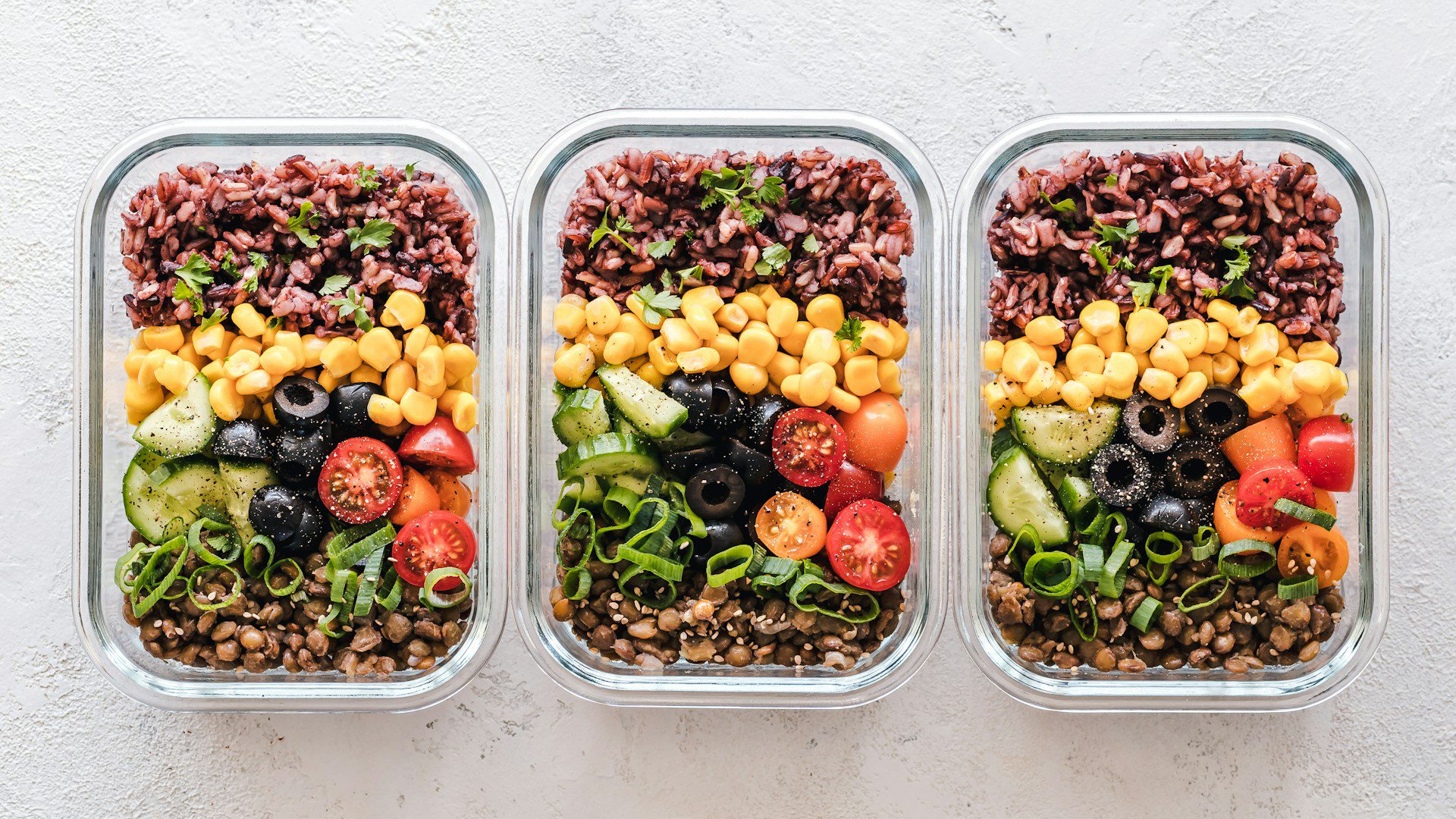
The setup is simple. He found Facebook Marketplace listings for cooked meals that were advertised with AI photos, the glossy kind where the plate glows and every grain of rice sits in place.
He bought meals from those sellers. The question driving the whole thing is the one every online shopper asks: what shows up at the door when the picture is not real?
It is a fair test. A listing photo is the only thing a buyer has to go on before handing over cash, so a picture that was never taken in a kitchen matters.
Then He Handed The Home Cook A Flyer With Real Photos
Here is the turn. Instead of just complaining, the creator made a flyer of his own. It used real photos, the kind you take with a phone in your own kitchen, and he showed it to the home cook as a replacement for the AI images.
That is a kinder move than a takedown. It tells the cook that her food can sell on its own merit and that buyers would rather see the real plate.
It also makes a point many small sellers never hear. Real photos tend to build trust, while images that look too slick can make customers wonder what they are really getting.
Why Real Photos Win On Marketplace
Anyone selling anything online knows how much a photo matters. Shoppers scroll fast, and they decide in seconds. A clear, honest picture does more work than a paragraph of description.
Buyers have also grown wary. They have seen fake listings, bait and switch ads and pictures lifted from other websites. When a photo looks like a magazine shoot instead of a kitchen counter, many people hesitate.
A real photo, even a slightly messy one, says there is an actual person behind the listing and an actual meal in the container. That is worth more than any filter.
Selling Home Cooked Food Takes More Than A Good Picture
If you are thinking about selling plates from your own kitchen, check the rules first. Food sales fall under state and local laws, often called cottage food laws, and they vary widely from place to place. Some states limit what foods can be sold, require labels, or cap how much you can earn, and some restrict sales of foods that need refrigeration.
Your county health department or state agriculture department is the right place to ask. A quick phone call or a look at their website will tell you what is allowed where you live.
Even when sales are permitted, food safety comes first. Keep hot foods hot and cold foods cold, use clean containers, and write the date on every package. Be honest about ingredients, since allergies are serious business.
How To Make Your Own Food Listing Stand Out
If you do sell food, a few simple habits can set your listing apart:
- Take photos in daylight, near a window, with the actual meal in the actual container.
- Describe the portion size and the price clearly, so nobody is surprised at pickup.
- List what is in the dish and what day it was made.
- Reply quickly and politely, and arrange pickup in a safe, public or well lit spot.
Add a short line about who you are, such as how long you have cooked for family or what recipe has been in your house for years. Buyers like a story.
How Buyers Can Shop Smarter
Customers have a part to play too. Before you buy a meal from a stranger, look at the seller profile, read past reviews if there are any, and ask for a current photo of the food if the listing picture looks suspiciously perfect.
Be careful with payment. Whenever possible, avoid sending money to someone you have not met, and be wary of anyone who pushes you to pay in a hurry through an unusual method. Paying at pickup for a meal you can see is the safest bet.
If a seller insists on keeping only polished images and will not share a real one, that is useful information in itself.
The Bottom Line For Sellers And Shoppers
The charm of this experiment is that it ends on a helping hand instead of a gotcha. A creator who buys the meals, meets the home cook and offers her a better flyer is showing a better way to handle the AI picture problem.
Sellers should take the hint and show their real food. Buyers should keep asking for the real thing. Everybody wins when the plate on the screen matches the plate in the container.
More Stories You May Like
- Home Cook Makes Pork Chops And Mashed Potatoes With Pan Gravy For Just $4.73 Using Only Salt, Pepper And Butter, Because $5 May Be All Someone Has
- Couple Spots A Middle Schooler Sitting In The Dirt At The End Of Their Driveway On Their Doorbell Camera, Buys Her A Bench, Then A Thank You Note From ‘Bus Kid’ Shows Up
- Delivery Driver Mixes Up A Pizza Order And Blames Getting Old, Then A Pastor, His Wife And Their 3 Young Daughters Step Outside To Pray With Her, And Strangers Raise $76,000