

A remote slides neatly into a tray instead of landing wherever it was last used. A charging cord gets wound and clipped rather than left tangled on a counter. None of these moments look dramatic on their own, and that’s exactly the argument this creator is making throughout the video, that a home does not run smoothly because of one big system, but because of thousands of small, intentional decisions most people never even notice themselves making.

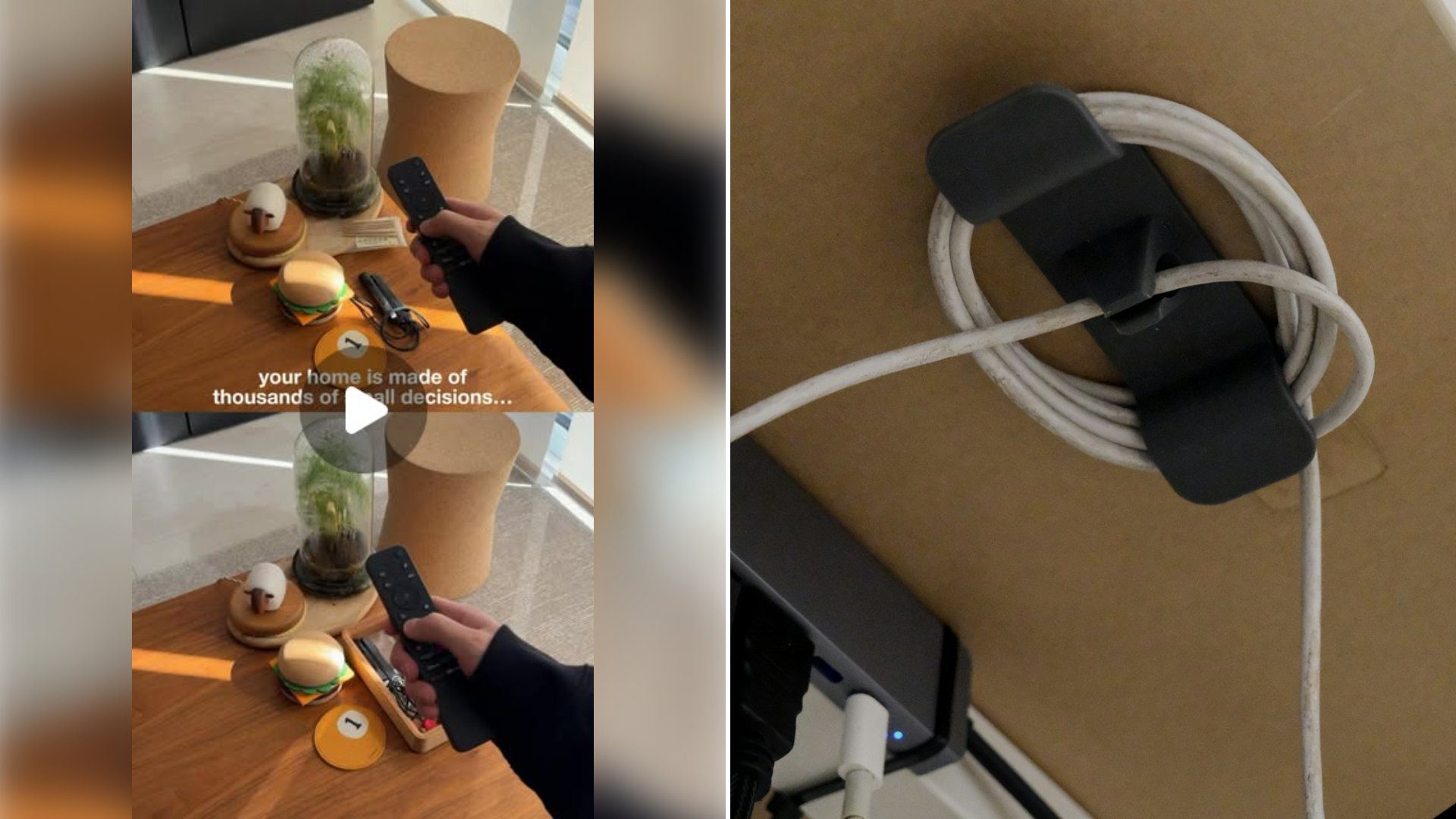
Creator @mr.jodigo moves through the house showing one tiny, deliberate choice after another, and the cumulative effect is the real point. Individually, placing a remote in a tray seems almost too small to mention. Shown back to back with a dozen similarly small choices, a clear pattern emerges, a home that feels calm is usually the product of dozens of micro-decisions repeated consistently, not one sweeping organizational overhaul.
This idea lines up closely with established behavioral research on habit formation. Researchers who study habits consistently describe them as small, automatic behaviors that, once established, require very little conscious effort to maintain, which is exactly why a person who places a remote in a tray does not experience that moment as a chore; it has simply become the default way they interact with that object. Behavioral scientists refer to this as the compounding effect of small actions: individually negligible, but meaningfully large in aggregate when repeated daily across months and years inside the same environment.
This is also why so many organizing efforts that start with one big weekend purge eventually slide backward, while homes built on dozens of small standing habits tend to hold their order far longer. A single intense decluttering session changes the state of a home at one point in time, but it does not change the thousands of tiny daily decisions that determine whether that state holds. Behavior researchers who study environment design point out that the easiest way to build a lasting habit is to reduce the friction of the desired behavior, making the tray easier to use than the counter, for example, so the orderly choice becomes the path of least resistance rather than something that requires willpower every time.
There’s also a psychological payoff to this approach that goes beyond simple tidiness. Homes where small decisions are handled consistently tend to accumulate far less of the background mental load that comes from unresolved clutter, the kind of nagging awareness of a messy counter or a tangled cord that quietly drains attention throughout the day even when a person isn’t actively thinking about it. Reducing the number of these small unresolved items, one tray, one clip, one designated spot at a time, removes that low hum of visual and mental noise before it has a chance to build up.
What makes this video stick with viewers is the reframe itself. It’s easy to look at a calm, functional home and assume the owner has some natural gift for organization, or spent an entire weekend getting everything perfect. This creator’s version is less flattering to any single effort and more honest about how homes actually stay orderly, through repetition of small choices so habitual they stop even registering as choices at all.
By the end, the thousands of tiny decisions referenced in the video start to feel less like an exaggeration and more like an accurate description of how any functional home actually works, one small, nearly invisible choice at a time.
More from Decluttering Mom
- Mom Shares Seven Lifestyle Habits That Changed Her Home Environment for the Better and Explains Them One by One While Putting Away Her Groceries
- Mom Shares the Non Negotiable Morning Rules for Her Kids’ Bedrooms and Says the Simple Routine Gets Everyone Out the Door Calmer and On Time
- Professional Organizer Tells Midlife Followers Decluttering Does Not Have to Be Hard and Offers a Free Thirty Day Checklist to Anyone Ready to Crawl Out From Under the Clutter