Most people who decide to declutter make the same mistake on day one. They pull everything out of every cupboard, cover the floors with piles, and then run out of steam while the house looks worse than when they started.
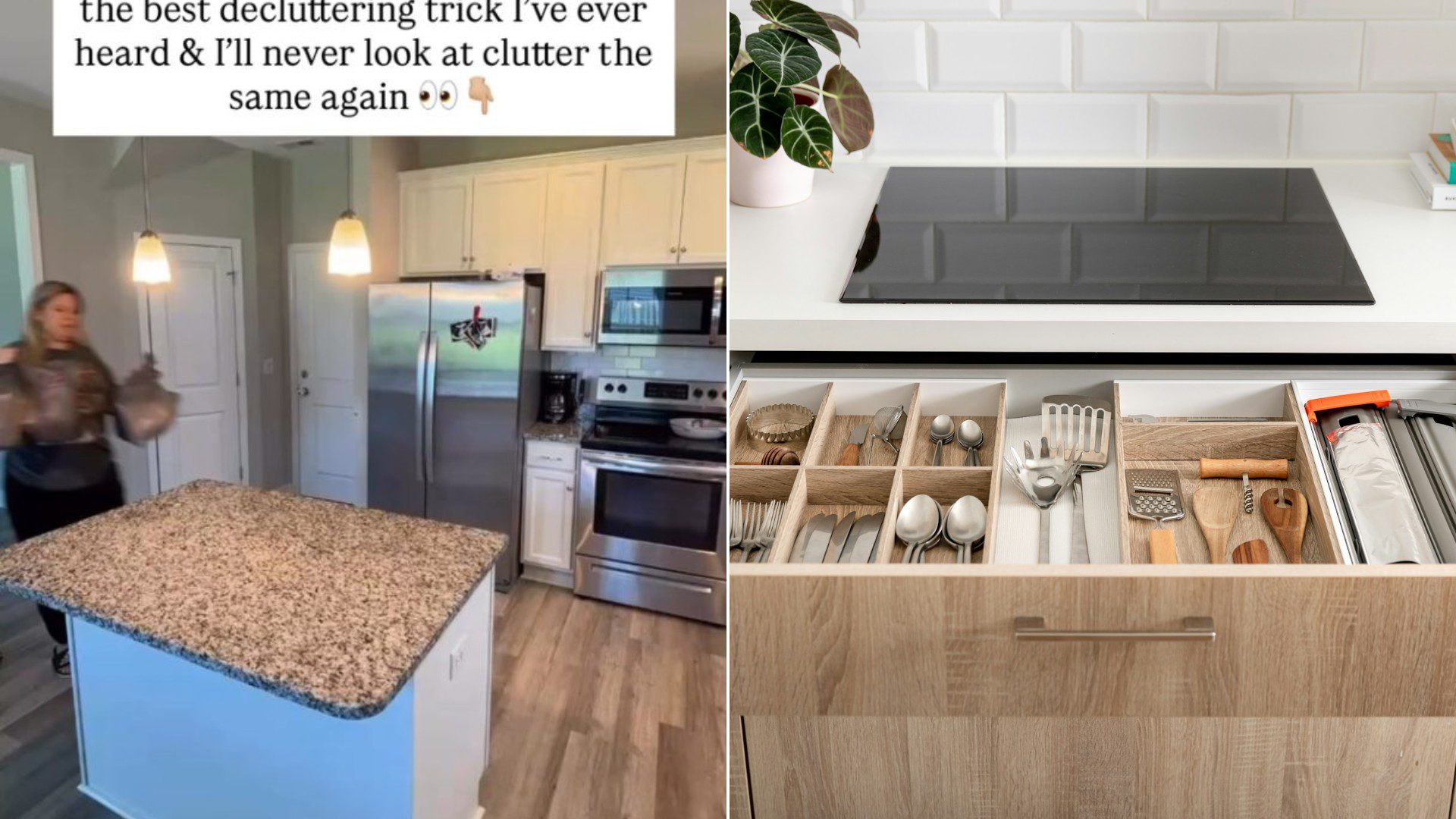
Organizer @organizewithkylie says her approach comes from a lesson her dad, Jack, taught her. Pick one tiny area, give it 30 minutes, and never tear the whole house apart at once.
View this post on Instagram
Dad Jack Told Her ‘Rome Wasn’t Built In A Day’
The line she credits to her father is an old one, and it fits the job perfectly. “Rome wasn’t built in a day,” and neither was the pile of mail, grocery bags and spare chargers on your kitchen island.
In her video, she holds up that lesson as the reason she never panics at a messy room. One small zone, one timer, one clear finish line.
The 30-Minute Rule That Keeps The Whole House Standing
Here is why the method works. A job that has a clear stopping point is easier to start, and starting is the hardest part of decluttering for most families.
Thirty minutes is short enough that you can do it before the kids wake up or while dinner simmers. It is long enough to clear a countertop, a single drawer or the corner of a closet.
When the timer goes off, you get to stop. That small win is what brings you back tomorrow.
Why Tearing The Whole House Apart Backfires
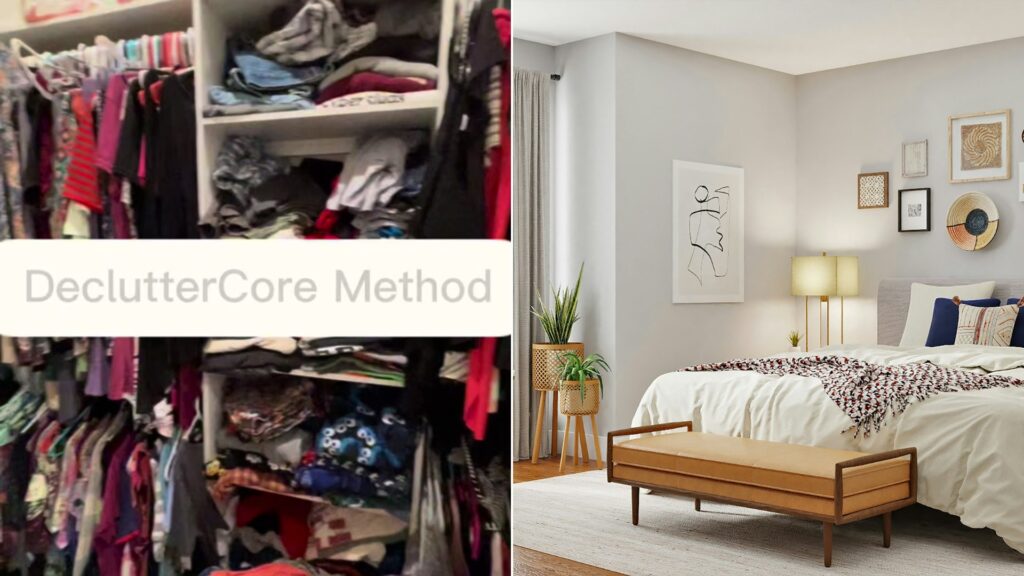
Anyone who has emptied an entire closet onto the bed knows the sinking feeling that follows. Now there are two messes, the old one and the new one, and bedtime is coming.
Big, dramatic clean-outs also tend to end with a rushed pile of “maybe” items stuffed into a box and shoved back into the garage. The clutter has not gone anywhere. It has just moved.
Working in small zones means you finish what you open. Each finished zone stays finished, and the house slowly gets lighter instead of lurching from chaos to exhaustion.
How To Try It This Week
You do not need special bins, labels or a weekend off. You need a timer and a spot that bugs you.
Pick the area that you see most often, because clearing it pays you back all day. Good starting places include:
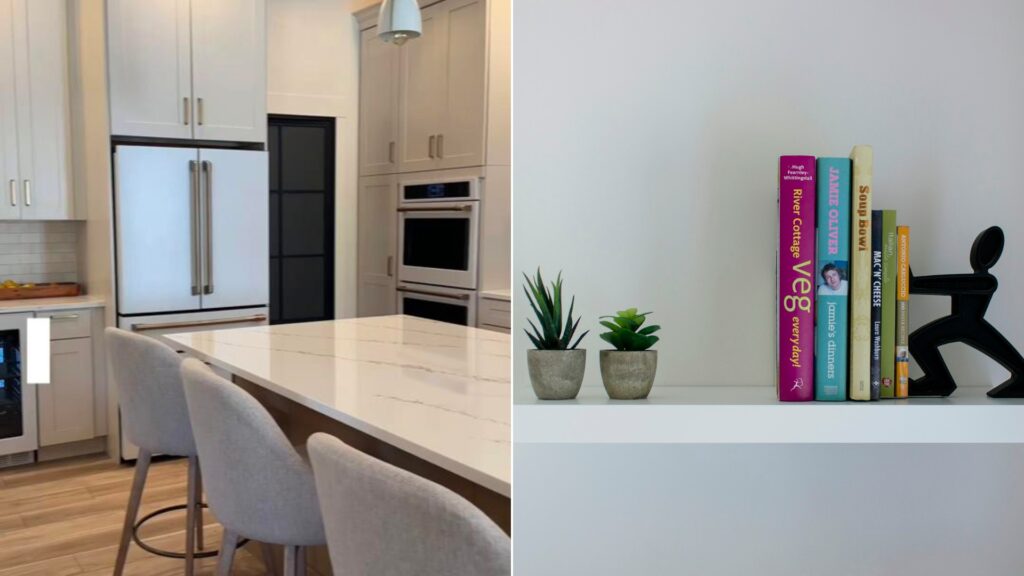
- The kitchen island or counter where everything lands
- The top of the dresser
- One kitchen drawer, usually the junk drawer
- The entryway shelf or the hooks by the door
Set the timer for 30 minutes and start with the obvious trash. Throw out empty packaging, expired coupons and dried-out pens before you make a single decision about anything sentimental.
Sort Fast, Decide Faster
Use three simple piles: keep, donate or sell, and toss. Anything that belongs in another room goes into a basket, and you carry that basket to its destination when the timer rings.
If you pick something up and have to think about it for more than a minute, put it in a “later” box and tape it shut. Write the date on the lid. If you have not needed anything in it in a few months, the box can go to donation without being opened.
Stop when the timer stops, even if you are on a roll. It feels strange at first, but ending on time is what makes the habit stick.
Keep The Win Going With A Daily Reset
Once an area is clear, protect it. Spend five minutes at the end of the day putting things back where they live, and the island stays clean enough that you will not dread it.
It also helps to give every item a home. When a pair of scissors, a roll of tape and a stack of school papers each have a spot, they stop piling up on the nearest flat surface.
Count your progress by the zones you finished, not by how much of the house is left. After a week, you have seven cleared spots. After a month, you can feel the difference when you walk through the door.
Turn A Cleared Spot Into A Habit
The trick is to attach the 30 minutes to something you already do. Many people pair it with the morning coffee, the first hour after school drop-off or the stretch right after dinner.
Write the zone on a sticky note and put it on the fridge so you know exactly where tomorrow starts. A short list of tiny areas, one per day, turns a scary whole-house project into a calendar of easy wins.
Involve the family as well. Kids can handle their own shelf or toy bin in the same half hour, and a little music makes the time pass faster. When everybody is working in small zones at once, the house changes faster than you would think.
What To Do With The Stuff You Clear
Decluttering only works if the extras actually leave the house. Keep a donation bag by the door, and when it is full, drop it off that week instead of letting it sit in the trunk for a month.
Items in good shape, like kitchen gadgets, kids’ clothing and books, can often be sold on local marketplace apps for a few dollars each. Set a firm deadline of two weeks, and donate whatever has not sold.
The Takeaway From Jack’s Lesson
The reason this advice has traveled so far is that it feels doable. Nobody needs to be a perfectionist or give up a Saturday to see results.
Take a deep breath, pick a tiny area, set the clock for 30 minutes and do just that. Rome wasn’t built in a day, and your home does not need to be tidied in one either.
More Stories You May Like
- Mom Who Runs A Garage Where Local Moms Get Free Clothes, Diapers And Formula Was Borrowing Rides To Get By, Then A Couple Nobody Knows Pays For A Whole Car, Taxes And Title Included
- SHEIN Baby Rattle And Teether Sets Sold For About $10 Are Recalled Because The Knobs Can Come Off And Choke A Baby, And Refunds Require You To Confirm You Threw Them Out
- CPSC Warns Parents To Stop Using $36 Mommy & Me Pack & Play Mattresses Sold On Amazon Because Babies Can Get Trapped In The Gaps, And The Seller Has Not Agreed To A Recall