


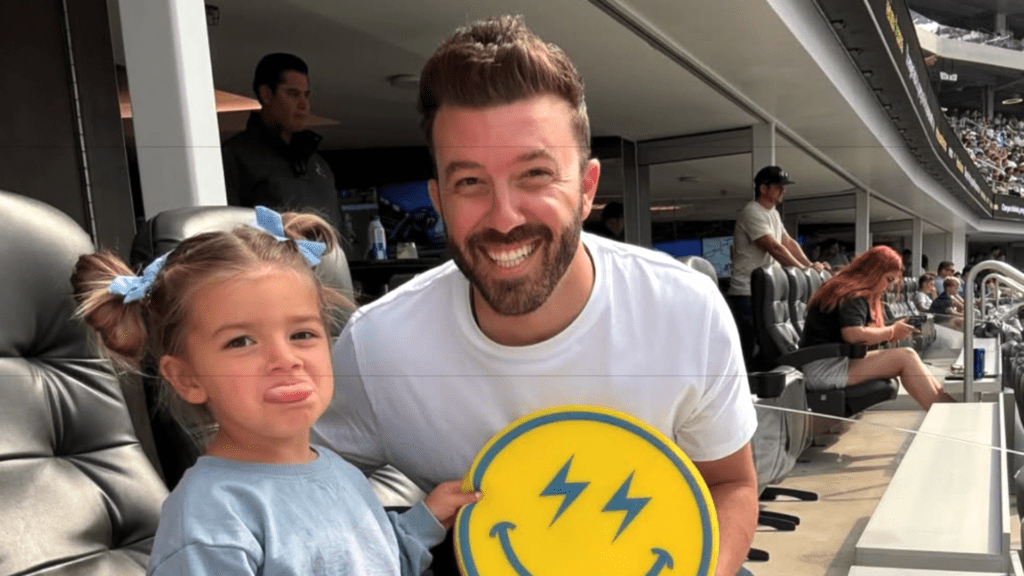
What started as a sweet dad-and-daughter football ritual has ended with a four-year-old being targeted by grown adults who did not like her playoff picks. The father behind the viral “Trust the Toddler” videos has pulled the plug after his child received death threats, turning a lighthearted family project into a case study in how toxic sports fandom and online culture can get.
Instead of celebrating a preschooler’s quirky calls on NFL games, strangers fixated on her misses and lashed out at her family. The decision to walk away from the series is less about clicks and more about a parent drawing a hard line when internet outrage crosses into real-world danger.

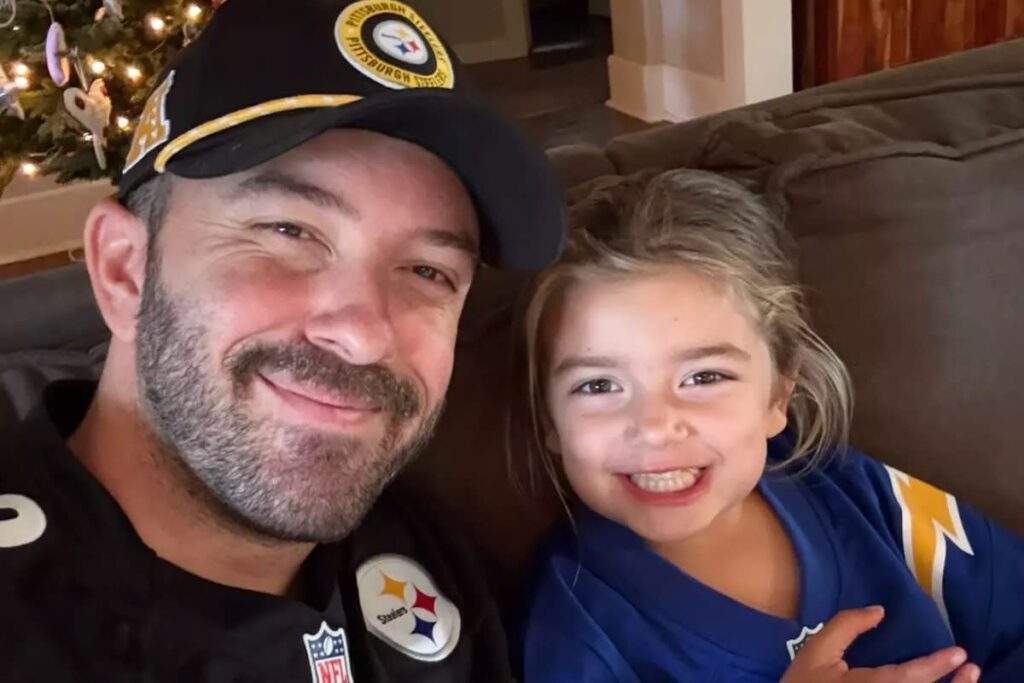
The dad, the toddler, and a simple football ritual
At the center of this story is Anthony Donatelli, a Southern California radio personality who loves the game as much as any die-hard fan. Like millions of other Americans who build their weekends around kickoffs and highlight reels, he wanted to share that passion with his young daughter, Reese, in a way that felt playful rather than intense. According to his own description, Reese became the star of short clips where she picked winners, often by choosing between team logos or colors, and her offbeat instincts quickly made her a viral favorite.
Anthony Donatelli did not stumble into this by accident, he built the series over time as a bonding ritual that fit around his job and family life. In one post, he introduced himself as Anthony Donatelli, a radio personality, and explained that Reese had been making picks for several seasons, including predicting several Wild Card matchups. The charm was never about expert analysis, it was about a dad letting his four-year-old call the shots on something that, in theory, should not matter nearly as much as it does to adults.
How “Trust the Toddler” blew up
The series really took off when Anthony leaned into the bit and started branding the clips as “Trust the Toddler,” inviting viewers to ride along with Reese’s instincts. As her calls lined up with early playoff results, more people tuned in, treating her as a kind of pint-sized oracle. One report notes that he began sharing the videos nearly four years ago as a way to bond with his daughter and introduce her to football, and that her knack for picking winners quickly made her a, especially as the NFL postseason spotlight grew brighter.
For Anthony, the appeal was straightforward: Just like millions of Americans, he loves football, and he saw the videos as a fun way to share that love with his kids. The California father of two framed the clips as a family project meant to stay fun and light, not a gambling tip sheet or a serious prediction model. The “Trust the Toddler” tagline was a wink, not a promise, and the whole point was that a preschooler’s whims could be as good as any adult’s bracket when the playoffs get weird.
From cute content to death threats
The tone shifted sharply when Reese’s picks started missing during the first weekend of playoff games this month. Instead of shrugging off a four-year-old’s bad calls, some viewers reacted as if she had personally cost them money or bragging rights. One account describes how, when the 4-year-old’s predictions were not panning out, the situation took a dark turn, with people sending messages that were, in the dad’s words, “nuts” because her predictions were wrong.
What followed went far beyond trash talk. A man in California reported that his family started receiving death threats directed at his 4-year-old daughter after her NFL playoff picks did not line up with some fans’ expectations. The same report notes that the story, by Matt Connolly, detailed how the backlash escalated as more people discovered the clips and treated them as something to rage against rather than a dad’s lighthearted Story about letting his daughter start regularly picking games. The fact that adults were willing to threaten a child over football outcomes underlines how warped the stakes can become once fandom, betting, and online anonymity collide.
The breaking point for a devastated family
For Anthony and his family, the decision to stop the videos was not about losing followers, it was about safety and sanity. He has said that they are “just very sad right now with the negative turn this has taken for our family,” a sentiment echoed in a widely shared post that captured how quickly joy had curdled into fear. That same message, which circulated under the phrase “We’re just very sad right now with the negative turn this has taken for our family,” was highlighted in a CAFEMOM community thread where commenters asked what the hell is wrong with people. The heartbreak is not just about the threats themselves, it is about watching a child’s innocent joy around a shared hobby get tainted by cruelty she is too young to understand.
Anthony has been clear that the original intention was to create something wholesome. In an interview, he explained that “Our only intention was to c…” and that the family never imagined the clips would invite this level of hostility. He told People that they are very sad about the negative turn and that it does not sound like he will be bringing the series back. For a dad who built the videos around trust, the only trust that matters now is his responsibility to protect Reese, even if that means stepping away from something that once brought them both a lot of joy.
What this says about fandom, kids, and the internet
The “Trust the Toddler” saga is not just a one-off meltdown, it is a mirror held up to the way sports culture and online behavior can spiral. When a four-year-old’s playful guesses trigger death threats, it exposes how some fans have blurred the line between entertainment and personal investment, especially in an era when betting apps and fantasy leagues are always a tap away. One detailed account of the backlash noted that Reese’s father, Anthony Donatelli, started the videos as a bonding exercise, only to watch them become a lightning rod for people who treated a child’s picks as if they were professional advice. That disconnect, between the family’s intent and the audience’s reaction, is a warning sign for any parent thinking about putting their kids in front of a camera.
There is also a broader conversation here about how platforms and communities respond when lines are crossed. A separate report on the fallout emphasized that Jan and the Our family were left to process the emotional damage largely on their own, even as strangers rallied in comments to defend Reese and condemn the threats. Another piece on the saga pointed out that Jan and Just like millions of Americans, Anthony Donatelli and The California dad had wanted the videos to stay fun and light, not anger, a reminder that once content is out in the wild, creators lose control over how it is received. Until platforms and fans alike treat kids’ safety as non-negotiable, stories like this will keep repeating, no matter how many parents decide it is safer to log off.
More from Decluttering Mom: