



One mom was caught off guard when she discovered empty wine bottles hidden in the closet of her mother’s house. The unearthed alcohol was just the tip of the iceberg. As she dug deeper, she stumbled upon disturbing journal entries and shocking revelations about her mother’s personal life, including affairs with multiple men—one of whom was nearly 20 years her junior. It was all enough to turn her stomach and make her reevaluate her relationship with her mother.
After her parents’ divorce, the daughter had long suspected there were issues beneath the surface. Growing up, she often blocked out traumatic experiences, but as an adult, she started piecing together a troubling picture of her mother. The details about violence, alcoholism, and emotional manipulation began to emerge, complicating her feelings toward the parent who was supposed to provide guidance and support.

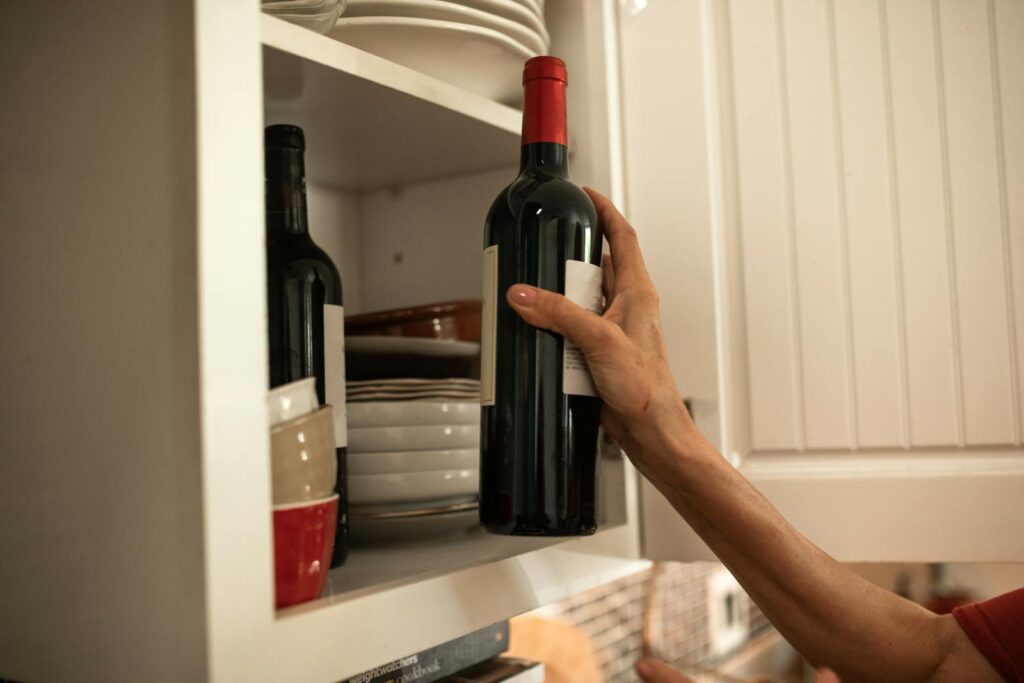
Now, spending half her time at her mother’s home, the daughter finds herself increasingly uncomfortable with what she uncovers. The hidden wine bottles represent more than just a drinking problem; they symbolize a larger pattern of denial and unhealthy behaviors. The journal pages reveal a chaotic emotional landscape, filled with impulsive choices that leave her feeling pity rather than respect.
Despite the understanding that her mother deals with Borderline Personality Disorder, those thoughts don’t make the situation any easier to digest. The chaotic life her mother leads feels overwhelming and, at times, disgusting to the daughter. She struggles with the conflicting feelings of wanting to care for a parent struggling with mental illness while also recognizing the harm that has been inflicted over the years. This duality leaves her without the guilt or sadness she anticipated when contemplating going low-contact with her mother.
In her post, she expresses her frustrations and questions whether others have felt similarly about their own borderline parents. It’s a raw, honest look at the struggles of navigating a relationship marked by instability and trauma. Many in the community can relate, sharing their own painful experiences and emotional upheaval in dealing with parents who exhibit similar behaviors.
People had very different reactions in the comments. Some empathized deeply with her feelings of disgust, acknowledging how challenging it can be to respect someone whose actions contradict the basic expectations of parenthood. Others pointed out that, while her feelings are valid, it’s also crucial to recognize the mental health struggles that drive such behavior. The complexity of these relationships often leads to mixed emotions that can leave one feeling conflicted.
There were those who noted that it’s common to experience pity for a parent battling their demons, yet that pity doesn’t necessarily translate into respect. The daughter feels trapped in a cycle of wishing for a traditional mother-daughter relationship while grappling with the reality of her mother’s choices. This disconnect often leads to painful realizations about what it means to have a parent who struggles with mental health issues.
Others chimed in with stories of their own experiences, sharing how navigating similar relationships has changed their perspectives over time. Some found that boundaries, like going low-contact, can help create space for healing, even if it feels uncomfortable. The discussions varied widely, illustrating the multiple facets of dealing with borderline parents. There are no easy answers, and each person’s experience is unique, but the shared understanding in the community fosters a sense of solidarity among those who have walked similar paths.
As this daughter prepares to distance herself, she’s left wondering what that means for her feelings moving forward. Will she ever find a way to reconcile her compassion for her mother with her disgust for her actions? Will going low-contact truly bring her the peace she seeks, or will it just amplify the guilt she feels by stepping back? The questions linger, as they often do in such complicated relationships.
More from Decluttering Mom: