

In a moment of unexpected vulnerability, one daughter opened up about her complicated feelings after the death of her alcoholic father. She found herself grappling with a mix of grief and anger but also a deep sense of loss that felt, in some strange way, disloyal. Her father was not just an alcoholic; he was also her childhood friend. Navigating the intricate layers of memory, she posed the question that many are too afraid to voice: is it wrong to miss someone who caused so much pain?
The story began with her recollections of a turbulent upbringing. This father, who was supposed to be a reliable figure, often introduced chaos into their lives with his drinking. He would drive her home from school while intoxicated, scream hurtful things, and even resort to dangerous behavior. The daughter recounted an instance where he recklessly drove the car towards her, creating a moment of fear that lingered for years. It painted a picture of a relationship marred not just by love but by the shadows of alcohol and anger.

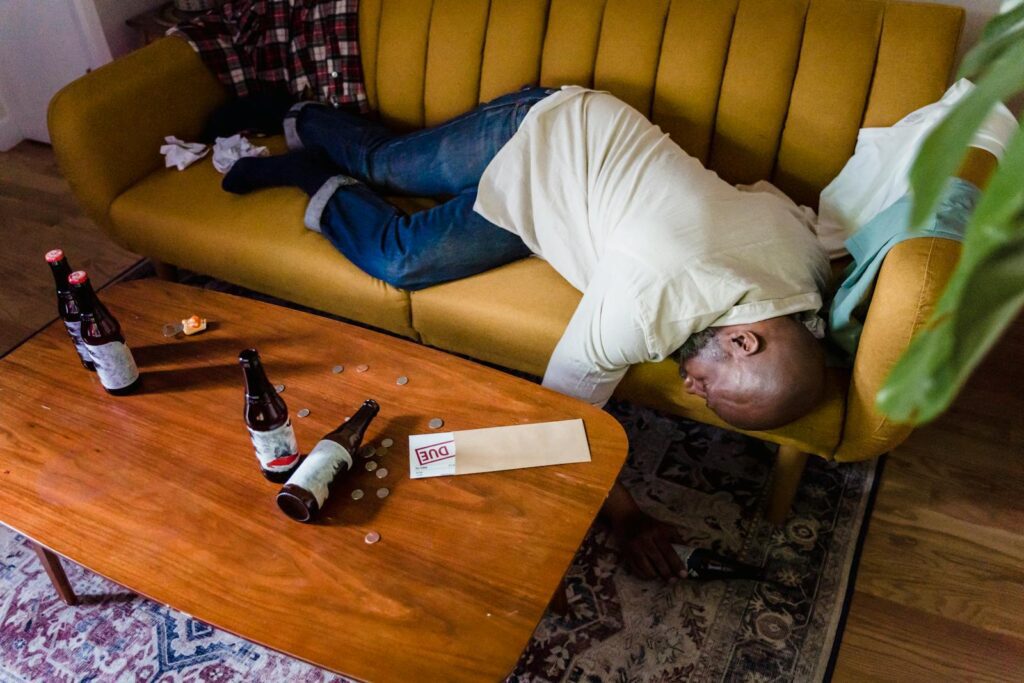
Despite these harrowing memories, her father was also a source of comfort. There were moments that stood out—walking in the park, ice cream outings, and small surprises that created pockets of joy amidst the chaos. As her father battled liver and kidney failure due to years of alcohol abuse, he initially resisted treatment but ultimately sought sobriety, albeit too late. His death came not from the expected result of his choices but from an unforeseen infection, strikingly ironic for someone who had fought so hard for a chance at survival.
As she shared her story, it was evident that conflicting emotions weighed heavily on her. The anger directed at his previous actions began to fade, overshadowed by the grief of his absence. In the aftermath of his passing, she felt the burden of responsibility to hold her family together but craved the comforting presence of her once-best friend, now gone. She reflected on her mother’s belief that it was okay to grieve for the father she had lost, despite his flaws, in stark contrast to her fiancé’s assertion that he got what he deserved. This dichotomy forced her to question whether she was justified in wanting to remember the good times amidst the trauma.
People had very different reactions to her dilemma. Some chimed in with words of support, reminding her that missing her father was a natural response, regardless of his past. They emphasized that the complexity of human relationships often contains both love and pain. Others pointed out that her feelings of anger were valid, noting the fine line between mourning someone who had hurt her and cherishing the good memories they shared. Many highlighted the nature of grief itself, arguing that it doesn’t adhere to rules and can’t be neatly categorized.
Others echo her fiancé’s perspective, expressing that her father’s actions warranted a more restrained grieving process. They suggested it was essential to acknowledge the damage wrought by a life of addiction and to focus on healing from that pain rather than romanticizing the past. This left her with even more questions; if her memories included joy, did that overshadow the hurt? Could she really feel both anger and love simultaneously?
This Reddit discussion illustrates a reality many face: the struggle of reconciling love and pain in familial relationships. The daughter’s candid sharing of her internal conflict resonates with anyone who has dealt with loss—especially when that loss is tangled with years of hurtful behavior. The complexity of emotions involved doesn’t fit neatly into boxes, and the tension between good memories and painful realities prompts deeper reflection.
Ultimately, the daughter found herself in a place of confusion, grappling with whether it was acceptable to mourn her father or if that would diminish the reality of the hurt he inflicted. As she navigates through her feelings, the question remains open: is it disloyal to miss someone who was both a source of comfort and pain? Perhaps the answer lies in the understanding that grief is multifaceted, and each person must find their own way through it.
More from Decluttering Mom: