



One daughter walked into her childhood home for what she thought was a simple visit, only to be blindsided by a jarring reality. Her old room, once a sacred space filled with childhood memories, had been transformed into a makeshift suite for her father’s new wife’s French bulldog, complete with a plush dog bed, toys, and a calming diffuser. It was an unsettling discovery that felt like a betrayal, especially given the emotional weight tied to her mother’s memory.
At 23, one woman was still navigating the complexities of life after losing her mother at 15. Her dad had remarried shortly after, and while their relationship remained polite, it lacked the closeness she once had with him. He had previously assured her that her room would remain unchanged and that her belongings would be safe, a promise that added to the shock when she found her things shoved into a damp garage bin, including her mother’s cherished green sweater. The sight left her feeling stripped of her childhood, a sense of home uprooted.

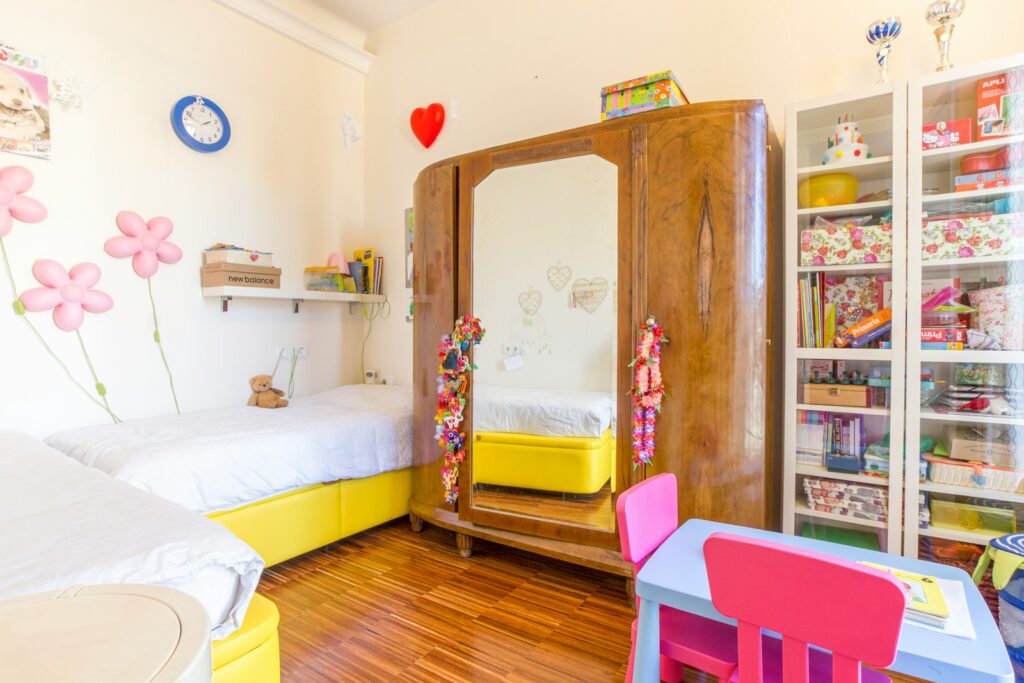
Tempers didn’t flare, but the tension was palpable when she confronted her father about the changes. He said he intended to notify her sooner but hesitated, thinking it might upset her. His new wife attempted to justify the dog’s needs, arguing that since she no longer lived there, it was reasonable to repurpose the room. But for her, this was not just about a room; it was about memories, promises, and a lingering connection to her mother.
The daughter’s decision to leave before dinner was met with mixed reactions from her family. While some sympathized with her feelings of loss and betrayal, others dismissed her emotional response as overblown. After her father accused her of ruining his birthday by leaving, and his wife texted her about creating “a mess,” it became clear that opinions varied widely. Some relatives suggested she should have stayed and discussed things later, unaware of the internal conflict she faced.
People had very different reactions to her story online. Some felt for her deeply, recognizing how jarring it must be to see a personal space transformed without notice. They understood that her mother’s memory remained intertwined with that room and the belongings that had been carelessly tossed aside. Others pointed out that, as an adult, she should have expected changes when she no longer lived at home, suggesting she might have handled the situation differently.
This incident struck a nerve because it highlighted the tensions often present in blended families. The daughter felt an immense loss, not just of her childhood room but of her place in the family’s story after her mother’s passing. Her father’s actions seemed to signal that her past was being erased in favor of accommodating his new life. The contrast between her memories and the new reality was disorienting, leaving her to wonder how families navigate these complex feelings.
In the aftermath, one woman reflected on the strange mix of emotions that arose in that moment. Was she wrong for walking out, or did she have every right to feel upset about the changes? Her father’s perspective as a remarried man trying to build a new life complicated matters further. Ultimately, the entire experience left her questioning not only her relationship with her father but also her place in a family that felt increasingly foreign.
The conversation surrounding her experience continued to unfold, with each response adding layers to an already complex emotional landscape. Some suggested reaching out to her father to express her feelings more calmly, while others thought it might be best to distance herself for a while. Regardless, the daughter was left grappling with feelings of confusion and hurt, forcing her to reevaluate the promises made and the realities of her new family dynamic.
In the end, it still remained unclear how such transitions are managed without disrupting everyone involved. What does it mean to navigate a family that feels like it’s changed overnight? The questions lingered, pushing one woman to reflect on the delicate balance between honoring the past and embracing the future.
More from Decluttering Mom: