


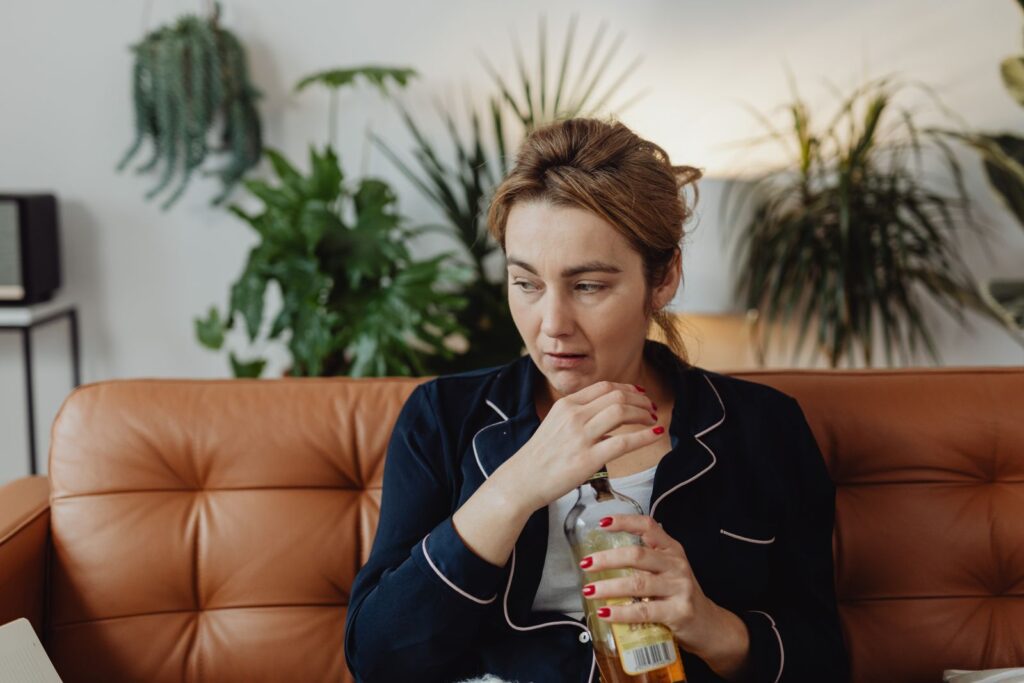
One mom shared her unsettling reality of living with an alcoholic parent. She described how her mother regularly consumes a bottle and a half of wine, and sometimes two, to unwind after a long day. This scenario is not just a casual drinker enjoying a glass of wine; the impact on the family is palpable and creates an uncomfortable atmosphere within their home.
The dynamic in the household is complicated, especially with a father who is a recovering alcoholic. He’s making an effort to stay sober, but the mother’s drinking creates a conflicting environment. She often relies on him to buy the wine she craves, which puts him in a tough spot. It’s a strange juxtaposition: one parent fighting to avoid alcohol, while the other actively embraces it, leaving the children watching this painful dance unfold before them.


The children, especially the daughter who wrote about her experience, have taken to walking on eggshells around their mom. Her unpredictability when drinking makes it difficult to feel safe or relaxed at home. While she can be kind and caring, her drinking can also lead to explosive outbursts, where she unleashes harsh words on her family. This duality leaves them feeling conflicted, as they want to support their mom but also need to protect themselves from her unpredictable anger.
This mom’s drinking is not just an occasional event; it’s a regular occurrence that happens several times a week, sometimes even daily. The daughter described a feeling of dread when she sees her mother start to drink. It’s not just the alcohol that is concerning, but how it affects their family dynamics and emotional well-being. The daughter expressed frustration, feeling trapped in a cycle of addiction that her mother refuses to acknowledge.
Many users in the Reddit thread had very different reactions to her predicament. Some pointed out the complexity of addiction and how denial often plays a big role in continuing the cycle. They noted that it might be beneficial for the daughter to seek therapy for herself and her sister, providing a safe space for them to process their experiences without judgment.
Others mentioned the importance of setting boundaries. One user suggested the father needs to be firmer in refusing to buy alcohol, even if it means facing conflict. They argued that enabling the mother’s drinking only perpetuates the problem and puts everyone in a more precarious position. But it’s easier said than done, especially when conflict is something both parents seem to avoid.
Some commenters empathized with the daughter, acknowledging how tough it must be to watch one parent struggle while the other refuses to accept there’s an issue. They shared stories of their own experiences with addiction in the family, creating a sense of solidarity. Yet, others cautioned against labeling the mother without understanding her full story. They emphasized that chronic pain, which the mother suffers from, can complicate her relationship with alcohol, but it doesn’t excuse the behavior.
The conversation around addiction is complicated and often messy. It doesn’t come with a clear-cut solution or an easy way out. The daughter’s feelings of confusion and frustration reflect a common reality for many people dealing with loved ones who refuse to confront their drinking. This specific family dynamic highlights the heavy toll addiction takes on relationships and the strain it puts on family members trying to navigate their own feelings amidst someone else’s struggle.
What happens next? Does this mom ever acknowledge the harm her drinking causes, or does the cycle of denial continue? What steps can the family take to reclaim their lives from the grip of addiction?
More from Decluttering Mom: