


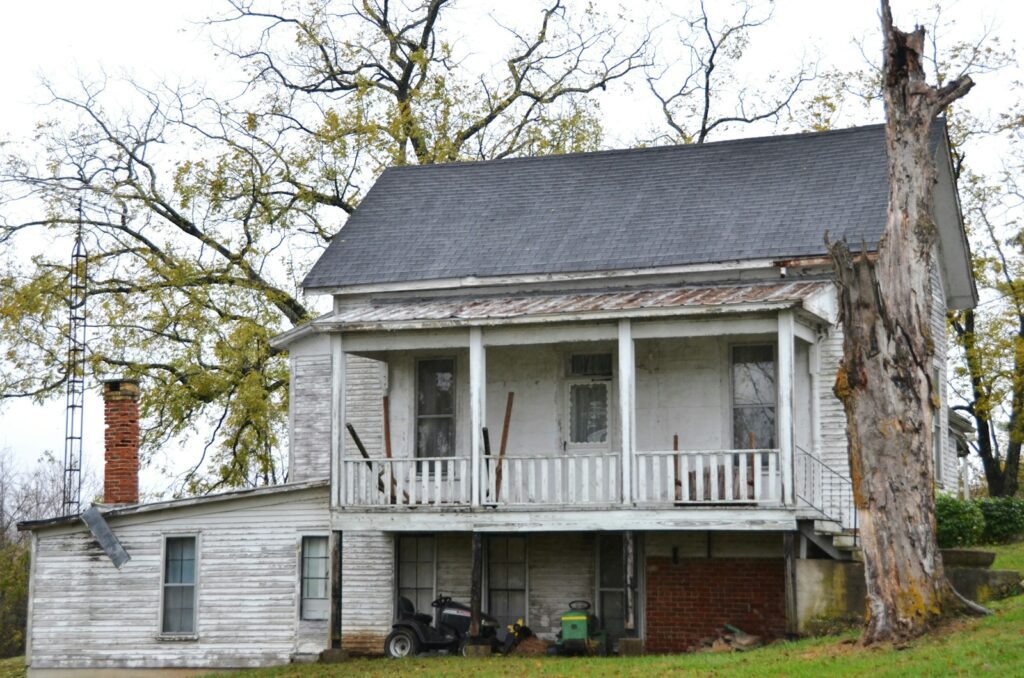
One mom was caught off guard when her neighbor dismissed a dead tree looming ominously over her property. It wasn’t just any tree; this extremely lifeless piece of wood was on the neighbor’s side of the fence but had the potential to cause significant damage to her home. After a recent tree trimming session on her property, the workers warned her that the tree needed immediate attention before hurricane season arrived. She thought taking proactive steps would be wise, but the neighbor’s reaction was anything but helpful.
Feeling uneasy, she decided to write a letter to her neighbor, asking him to address the tree issue before it could lead to costly repairs or worse if it fell on her house. To her surprise, the neighbor responded by claiming that the tree wasn’t his, which left her feeling frustrated. He insisted that it was on the dividing line of their properties, and even suggested she take a “picker” to chop off some branches herself. This was particularly unsettling since she had just replaced her roof.


It wasn’t just the neighbor’s refusal to take responsibility that bothered her; it was the entire situation. The mom found it perplexing that he could easily dismiss a possible hazard. The tree stood tall, dead and ready to crash, yet the neighbor seemed completely unfazed. In her mind, the tree posed a potential threat to her home, but convincing him of this was proving to be an uphill battle.
Compounding her concerns was the idea of hiring a land surveyor. She learned that the cost could be steep, and while she considered using metal detectors to find the property line, these methods didn’t carry any legal weight. The added complexity of the fence not belonging to her only heightened the awkwardness of the situation. The boundary between the properties was not just physical; it seemed to be a point of contention that both parties viewed very differently.
People had very different reactions to her predicament. Some pointed out that she might need to take further actions, like documenting correspondence or even seeking legal advice if the neighbor remained uncooperative. Others emphasized the importance of maintaining a good relationship with neighbors, advising her to approach the situation with tact and patience, even if her neighbor wasn’t displaying any goodwill.
Some users suggested reaching out to local authorities or community resources, arguing that fallen trees can sometimes lead to shared liability. They believed that once the tree was down, it could be easier to sort out the ownership issue. While these suggestions were well-intentioned, they didn’t alleviate the mom’s annoyance at having to navigate a problem that seemed so clear-cut to her.
Others advised her to take a more straightforward approach and just cut the tree down herself, despite the apparent risks involved. This reaction struck her as impractical since she had no idea how to handle a situation like that on her own. Climbing up a tree with a chainsaw wasn’t exactly her idea of a good time, nor did she have the expertise to ensure everything would go smoothly. Yet, the plethora of thoughts reflected the divided opinions on responsibility when it came to trees on property lines.
Throughout the discussion, some people empathized with her frustration. They acknowledged that it’s not uncommon for neighbors to disagree on property matters, especially when fences and trees are involved. The gray area around property lines sometimes feels like a maze with no clear exit, leaving residents to navigate potential hazards with little guidance.
Ultimately, the mom was left wondering about her next steps. Should she push the issue further or simply let it go? Should she risk her relationship with her neighbor over a dead tree? Conversations around property disputes can often turn awkward, and this one was no exception. The tree lingered as a specter of uncertainty, casting a shadow not just over her yard, but also over her interactions with her neighbor.
More from Decluttering Mom: