

Decluttering Experts Say These 9 Things Should Never Be Stored

We all have a habit of holding on to things for a little longer than necessary. From old receipts to outdated appliances, our homes often become a storage unit for items we no longer need or use. However, decluttering experts argue that there are certain things that should never be stored at all.
Not only can they contribute to clutter, but they can also pose potential safety hazards or simply take up valuable space. Read on to discover the nine things you should never store, according to decluttering experts.
1. Old Receipts


Despite the transition to digital transactions, many of us still hold on to old paper receipts. This can quickly clutter your drawers and desk space.
Experts suggest that unless the receipt is for a significant purchase that you might need to return or use for warranty purposes, it’s best to throw it away immediately. Alternatively, you can take a photo or use an app to digitally store important receipts, thereby maintaining a record without the physical clutter.
2. Outdated Electronics


We all have that drawer filled with outdated electronics. From old mobile phones to obsolete chargers, these gadgets are no longer functional and just take up space.
Rather than storing these electronics, consider recycling them. Many electronic stores offer recycling programs, or you can look for local e-waste recycling events. Alternatively, if the device still works, consider donating it to a local school or charity.
3. Expired Medications

Storing expired medications is not just a matter of clutter – it can also be a health hazard. Medications lose their effectiveness after their expiration date and can even become harmful.
Always remember to dispose of expired medications properly. Many pharmacies offer take-back programs that ensure these medications are disposed of safely and responsibly. Never throw medications in the trash or flush them down the toilet as they can contaminate our water supply.
4. Old Paint Cans
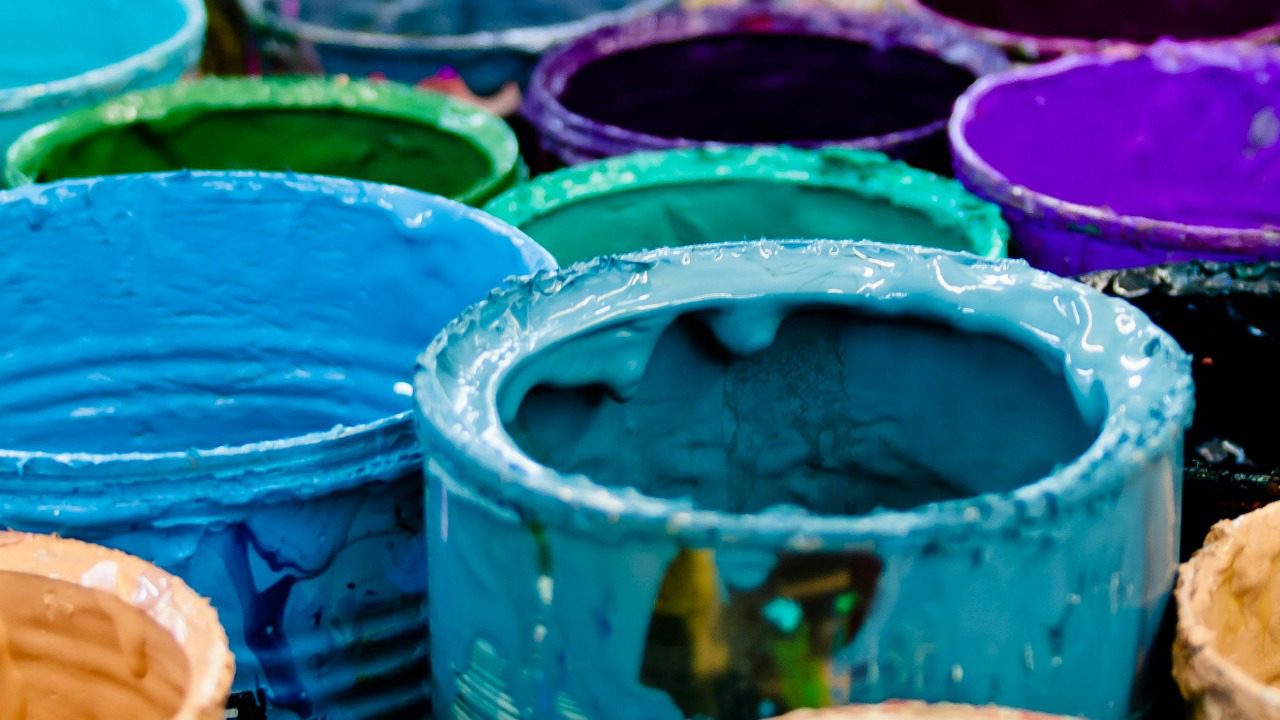
Old paint cans can take up a lot of space in your garage or shed. Additionally, storing old paint can be a potential fire hazard.
Before disposing of old paint, make sure it’s completely dry. You can add kitty litter or a paint hardener to speed up the process. Once it’s dry, it can be safely thrown away with your regular trash.
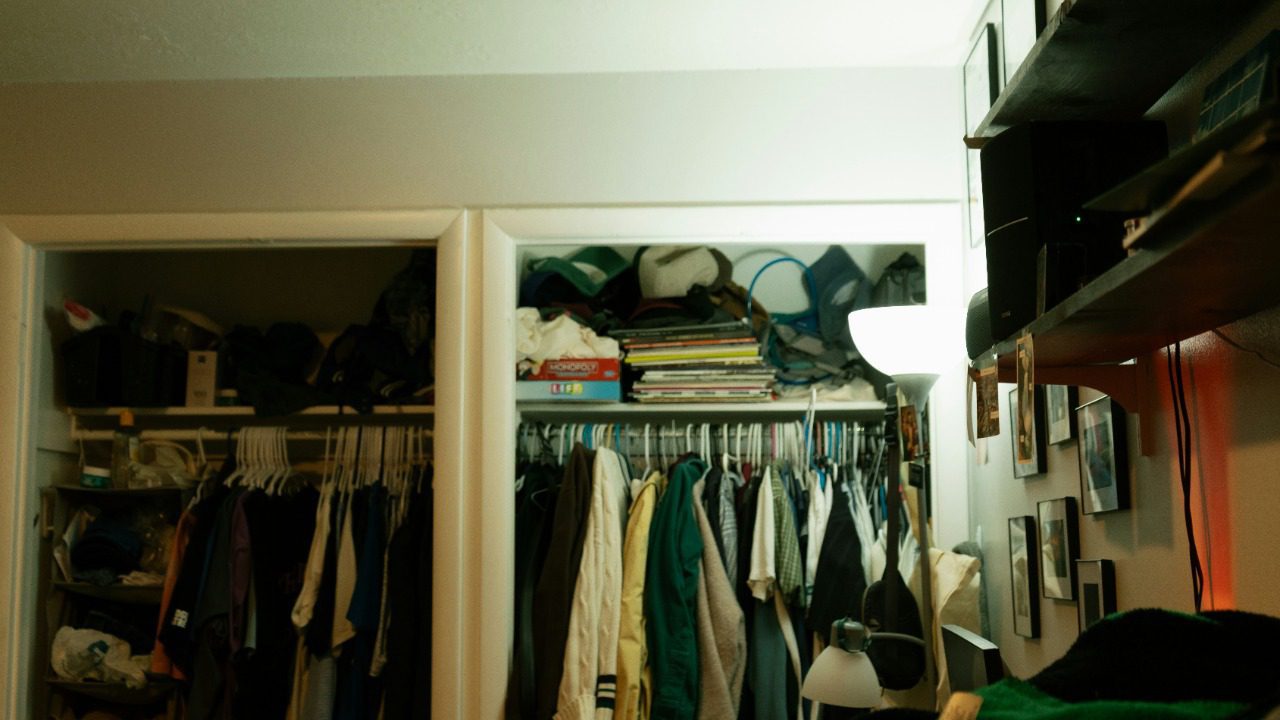
5. Unused Clothes

Clothes that you haven’t worn in over a year are just taking up valuable closet space.
Consider donating these clothes to charity or selling them online. If they’re not in good condition, look for textile recycling programs in your area.
6. Old Magazines and Newspapers
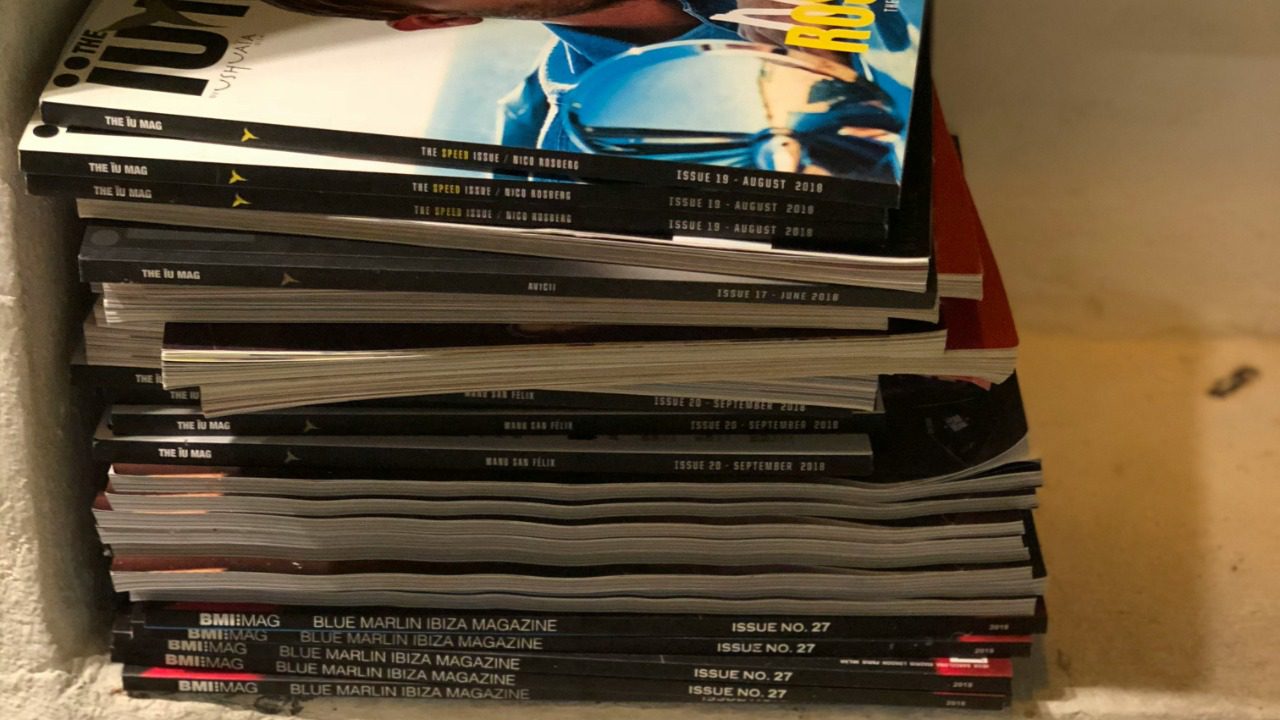
Piles of old magazines and newspapers can quickly clutter your living space.
Rather than storing them, consider recycling them. If there are articles you want to keep, consider scanning them and storing them digitally.
7. Empty Containers


We often hold on to empty containers thinking they might come in handy later. However, they usually just end up cluttering our cabinets and drawers.
Recycle these containers, or if they’re in good condition, consider donating them to a local school or charity.
8. Old Tax Documents
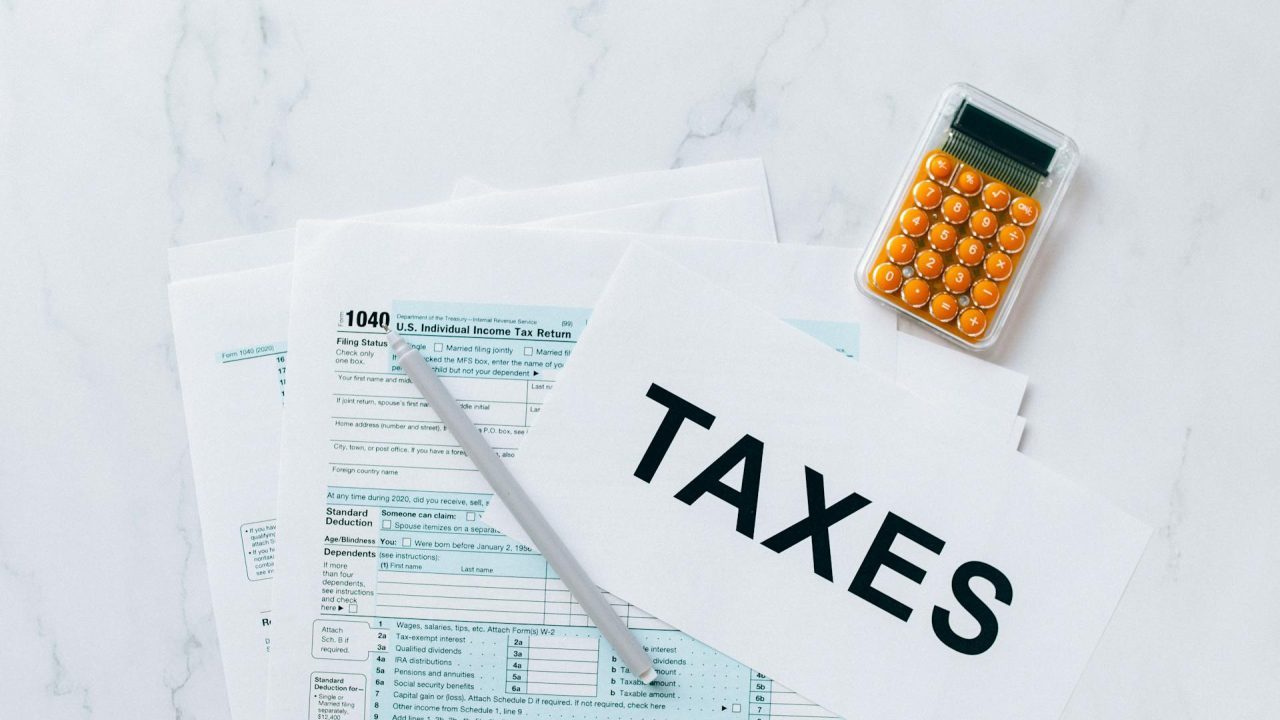
While it’s important to hold on to tax documents for a certain period, you don’t need to keep them indefinitely.
The IRS recommends keeping tax records for three years from the date you filed your original return. After that, you can safely shred and dispose of these documents.
9. Broken Items
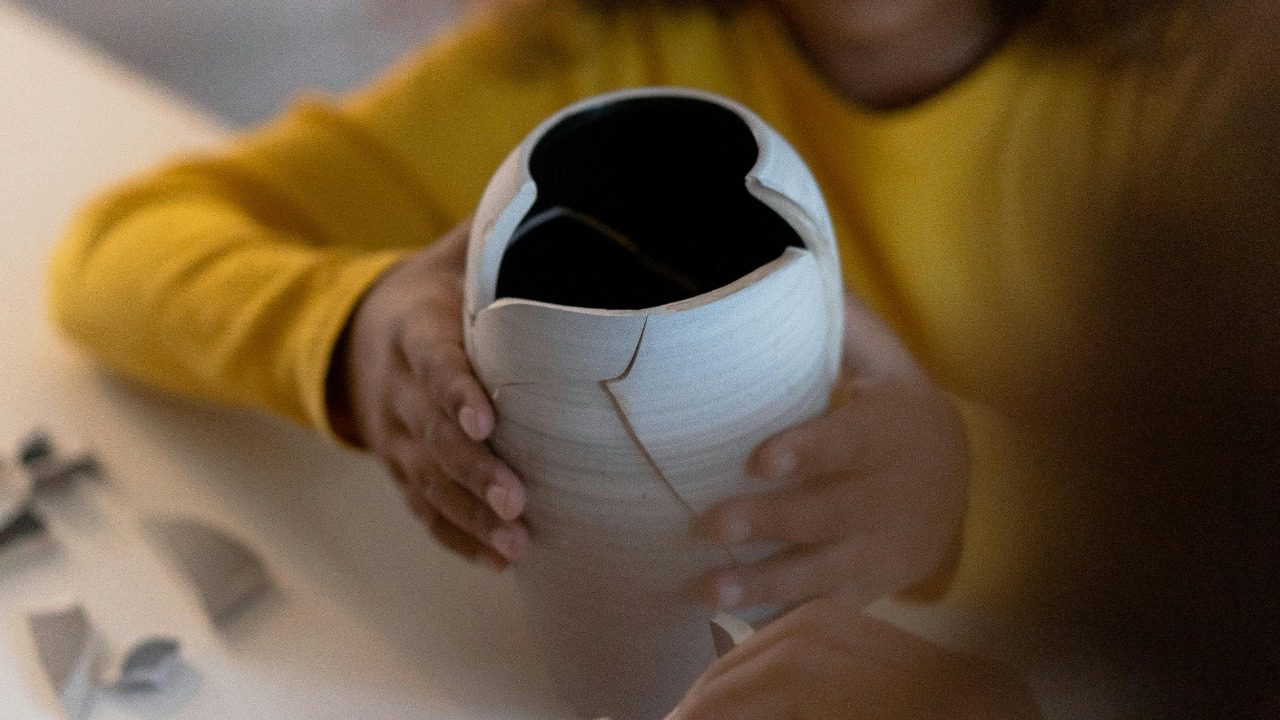
Many of us have a habit of holding on to broken items with the hope of fixing them one day. However, more often than not, these items just end up gathering dust.
If it’s been more than six months and you haven’t fixed it, it’s time to let it go. Consider recycling or disposing of these items safely.