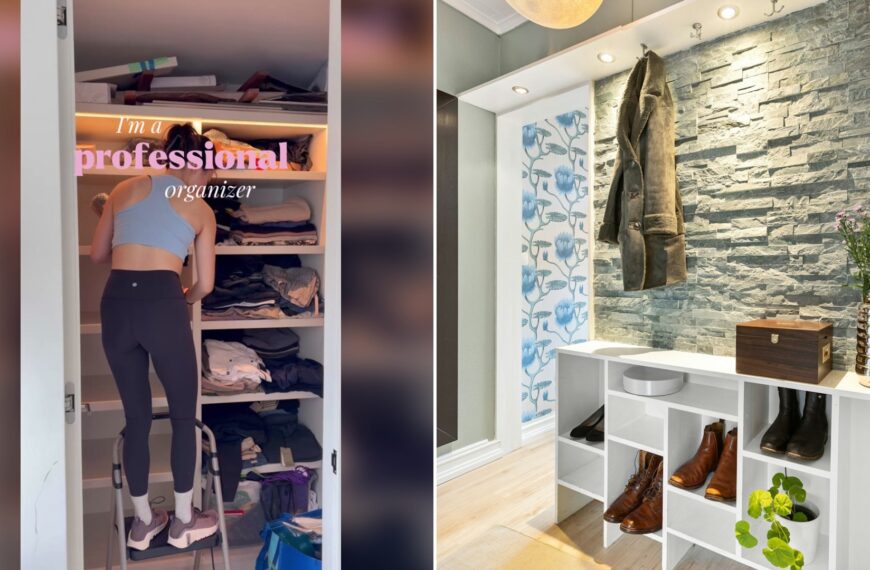
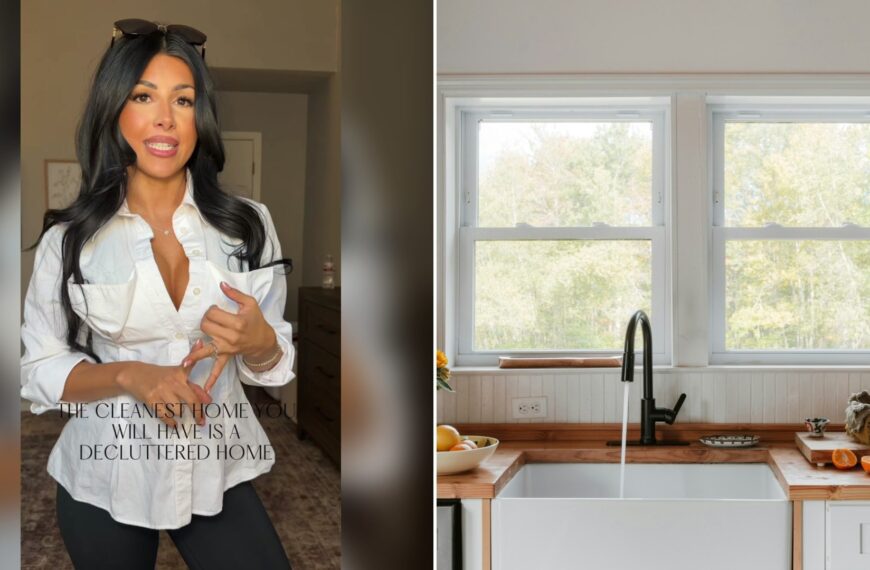
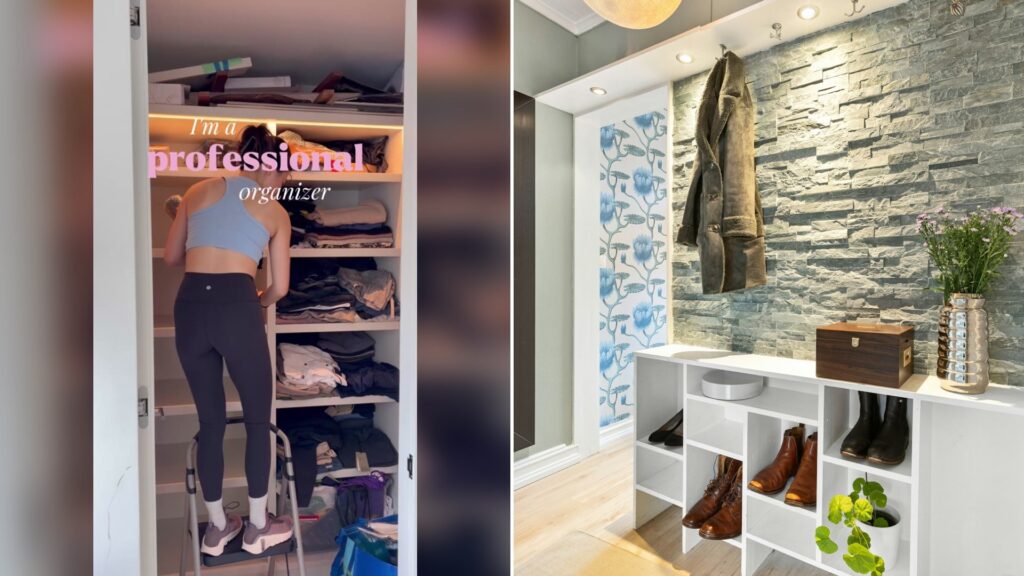
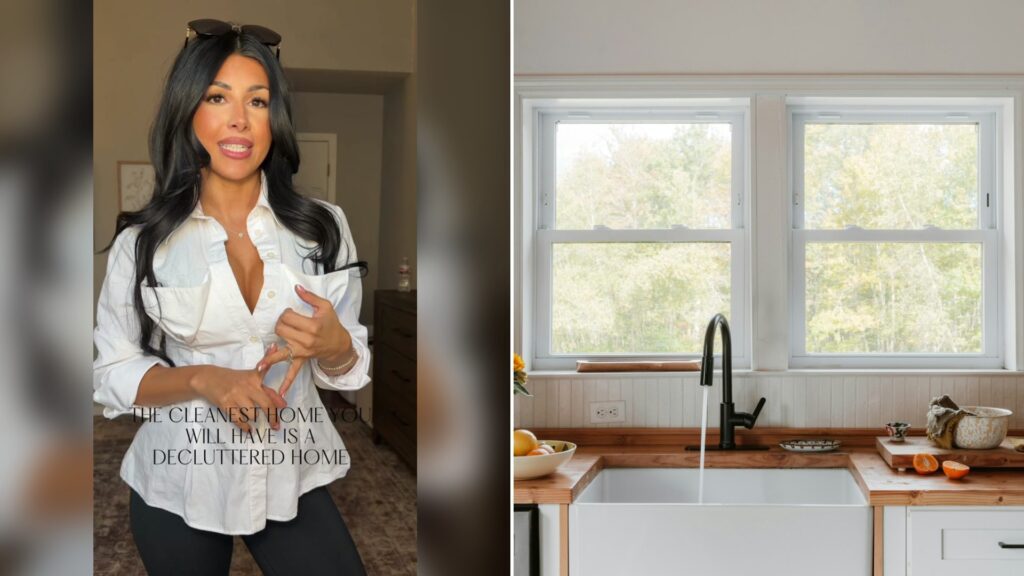
Anyone who has stood in the middle of a cluttered house and wondered where to even begin will relate to this one. A decluttering pro, @sociallykylie, says the answer is not complicated. If you do not know where to start, follow the flow of where you go each day, beginning the moment you wake up in the morning.
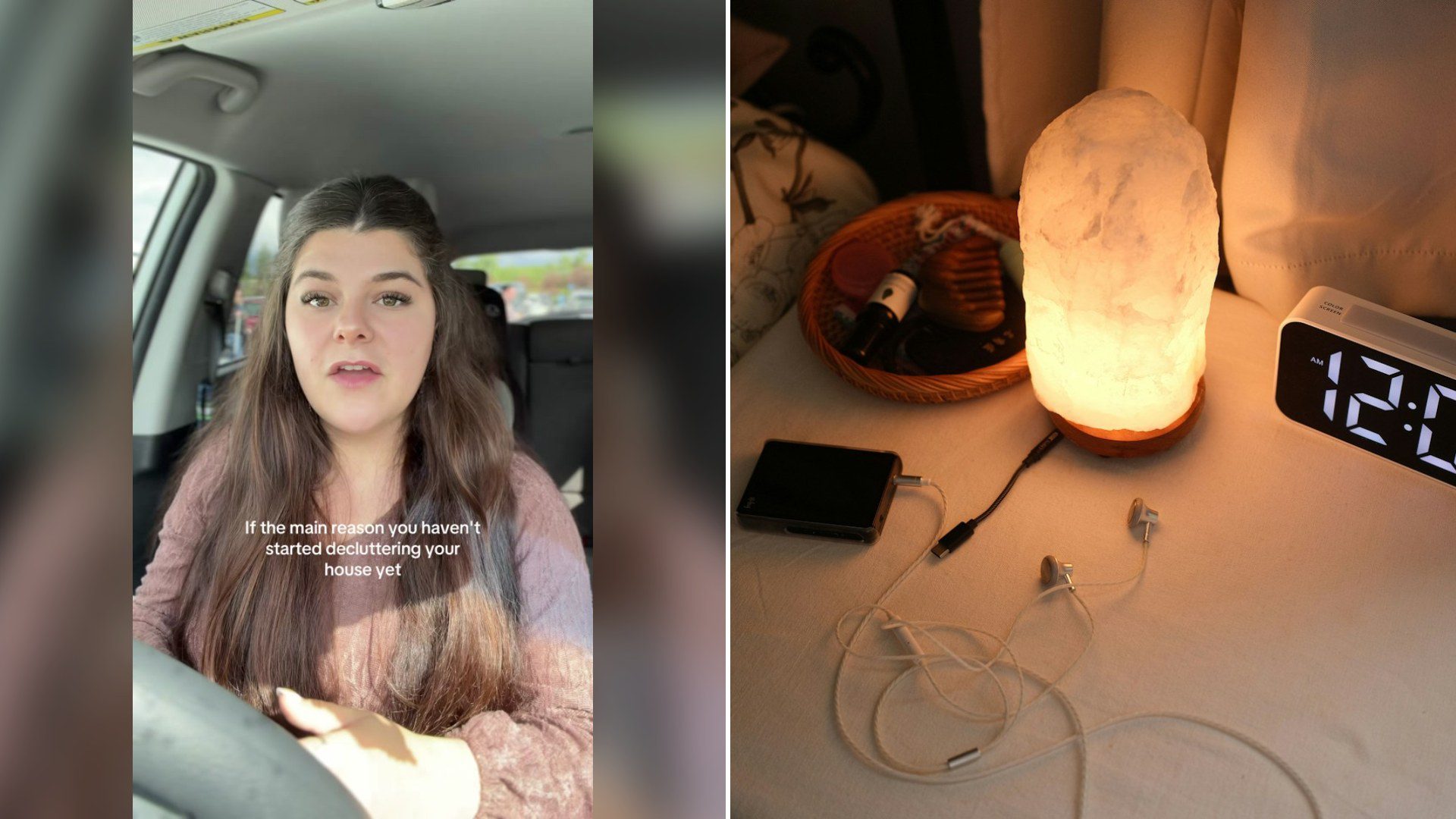
Her advice is simple, and it makes a great deal of sense. Here is how it works and why she believes it can keep you going when most people quit.
@sociallykylie
Start Where Your Day Starts
She asks a basic question: where do you wake up in the morning? Your bedroom, of course. That is where you begin your day and where you end it, and she says it should be the number one priority. Then she asks where you go next. If it is the bathroom, that is the next place to declutter. The idea is to move through your home in the same order you move through your day.
Her reasoning is that you need to feel the effects of decluttering in order to want to keep going. If you clear out a random drawer that does not touch your daily life, you will not notice much of a difference. But a peaceful, decluttered bedroom hits you the moment you open your eyes. She says the peace of mind that comes from waking up in a clean, decluttered space will blow your mind.
Why Motivation Matters More Than Method
Most decluttering advice focuses on how to sort, what to keep and how to store things. She argues that the biggest challenge is staying motivated. If your first project does not give you a noticeable payoff, you may lose steam and give up. By starting with the room you see first every morning and last every night, you give yourself the biggest possible reward right away. That reward is the fuel that makes you want to tackle the next room.
She speaks from experience. She says she decluttered her home years ago and has stayed decluttered the whole time, and that she has taught millions of people around the world to do the same. She promises a whole series of her favorite tips, and says your mental health matters and your home should be a peaceful place to rest your head every day and every night.
How to Follow the Flow in Your Own Home
Here is how to turn her idea into a practical plan.
Map your morning. Take a minute to think through your typical morning. You wake up in the bedroom, head to the bathroom, maybe walk to the kitchen for coffee, and then to the entryway before you leave. Write down the rooms in order.
Start with the bedroom. Clear the nightstand, the dresser top and any chairs that have become clothing piles. Take out anything that does not belong in the bedroom, such as dirty dishes, paperwork and gift wrap. Aim for a space that feels calm when you wake up.
Move to the bathroom. Go through the counters, drawers and shower. Toss expired products, empty bottles and anything you have not used. A clear bathroom counter makes the morning routine smoother.
Then the kitchen. Clear the counters so you can make breakfast without moving things around first. Check the pantry and fridge for expired food.
Finish with the entryway. This is the last room you see as you leave and the first one you see when you come home. Keep shoes, coats, bags and keys in their places so you do not start and end the day with chaos.
Take it one room at a time. Finish one space before moving to the next. A half-finished bedroom and a half-finished bathroom will not give you the same satisfaction as one finished room.
Notice the difference. After you finish the bedroom, pay attention to how it feels the next morning. That feeling is what keeps you going.
Why Your Routine Is the Best Guide
Your daily routine already tells you which spaces matter most. The places you pass through every morning and every night are the ones that shape your mood, your energy and even how hurried you feel. A cluttered nightstand or a crowded bathroom counter is a small annoyance repeated hundreds of times a year. Fixing those first means you collect the benefit every single day, instead of once in a while when you happen to open a rarely used closet.
What to Do When You Hit a Wall
Even with a good plan, you may stall. If that happens, shrink the task. Instead of the whole bedroom, tackle the nightstand. Instead of the entire closet, handle the shoes. A small finish is better than a big start you never complete. You can also set a timer for fifteen or twenty minutes and stop when it goes off. The point is to build a habit, and habits are built from steady, small actions.
It also helps to be kind to yourself. Clutter piles up over years, and it will not vanish in a day. If you slip, simply pick up where you left off the next morning.
A Home That Supports You
The heart of her message is that your house should be a place of rest. When you begin with the spaces that shape your daily routine, you feel the benefit sooner, and that makes the whole project easier to stick with. Tomorrow morning, when you wake up, look around your bedroom and ask yourself what is getting in the way of a peaceful start. That might be your first step.