



When it comes to mental health, the environment you live in plays a vital role. A cluttered space can lead to a cluttered mind, causing stress, anxiety, and even depression. On the other hand, a clean and organized environment can have a calming effect, enhancing your focus and productivity.
Let’s chat about how decluttering may be able to help you achieve mental wellness. Here are 19 decluttering wins that can significantly improve your mental health.
*Remember, we’re decluttering experts, not healthcare professionals, so talk to your therapist for personalized advice for you!
1. Create a Decluttering Schedule


Setting aside a specific time for decluttering can make the task less daunting. You can choose a day in the week or a few hours every day dedicated to cleaning up.
By creating a schedule, you can manage your time effectively and prevent the task from becoming overwhelming. It also provides a sense of structure and routine, which can contribute to mental wellbeing. For example, you could dedicate Saturday mornings to decluttering, or set aside 15 minutes each evening after dinner.
2. Start Small


The thought of decluttering your entire house can be overwhelming. Instead, start with small areas like a drawer, a shelf, or a corner of a room.
Starting small makes the task manageable and less intimidating. It also gives you a sense of achievement that can motivate you to tackle larger areas. For instance, you could start by decluttering your desk, which could not only make your work environment more pleasant but also boost your productivity and mental clarity.
3. Donate Unwanted Items

Decluttering is not just about throwing things away. It can also involve donating items you no longer need. This not only clears up space but also provides a sense of fulfillment knowing that your items can benefit someone else.
Donating items can give you a sense of purpose and a feeling of positivity. It’s a win-win situation where you are helping yourself and others. For example, you could donate your old clothes to a local charity, or give away books you’ve finished reading to a community library.
4. Digital Declutter

In this digital age, it’s not just physical clutter that can affect your mental health. Digital clutter, such as a messy desktop or an overflowing email inbox, can also cause stress and anxiety.
By organizing your digital space, you can enhance your productivity and reduce digital distractions. For instance, you can create folders for different types of files on your computer, or delete old emails that you no longer need. You can also use apps that help manage your digital clutter effectively.
5. Use Storage Solutions
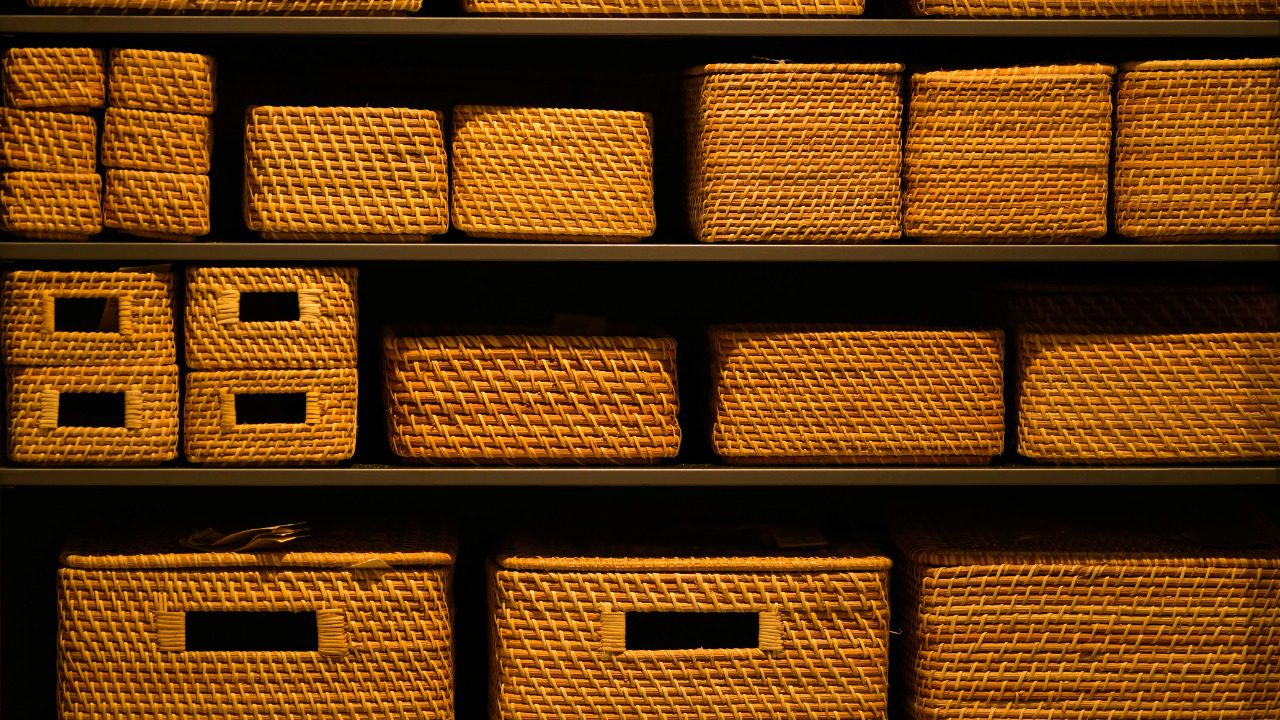
Using storage solutions can help organize your belongings, making your space look neat and tidy. This can range from shelves and drawers to boxes and baskets.
Having a designated place for each item can make it easier to find things when you need them, reducing stress and frustration. For example, you could use a basket to store all your remote controls, or a shelf for your books and magazines.
6. Declutter Your Mind

Decluttering is not just about your physical environment. It’s also about clearing your mind of unnecessary thoughts and worries.
You can declutter your mind by practicing mindfulness, meditation, or journaling. These practices can help you focus on the present moment, reduce stress, and improve your mental wellbeing. For instance, you could start your day with a 10-minute meditation session, or write down your thoughts and feelings in a journal before bed.
7. Create a Clutter-Free Zone

Creating a clutter-free zone in your home can provide a peaceful space where you can relax and unwind. This could be a specific room, or a corner of a room.
Having a clutter-free zone can give you a sense of calm and tranquility, which can contribute to mental wellbeing. You can use this space for activities that help you relax, such as reading, meditating, or practicing yoga. For example, you could create a clutter-free zone in your living room where you can enjoy a cup of tea and a good book.
8. Get Rid of Duplicates


Often, we accumulate duplicates of items without realizing it. This can lead to unnecessary clutter.
By getting rid of duplicates, you can free up space and make your environment more organized. For instance, you might find that you have two copies of the same book, or multiple pairs of similar shoes. By donating or discarding these duplicates, you can reduce clutter and make room for items that you really need and use.
9. Use the One In, One Out Rule

The one in, one out rule means that for every new item you bring into your home, you should get rid of an old one. This can prevent clutter from building up.
This rule not only helps maintain an organized space, but also encourages mindful consumption. It makes you think twice before buying something new, ensuring that you only bring in items that you truly need. For example, if you buy a new shirt, you could donate an old one that you no longer wear.
10. Visualize Your Ideal Space

Visualizing your ideal space can provide motivation to declutter. Think about how you want your space to look like and how it would make you feel.
Having a clear image of your ideal space can also guide your decluttering process. It can help you decide which items to keep and which ones to let go. For instance, if you envision a minimalist living room with a clean, white aesthetic, you might decide to get rid of colorful decor items that don’t align with your vision.
11. Make it a Family Activity

Decluttering doesn’t have to be a solo task. You can make it a family activity where everyone pitches in.
Involving your family can make decluttering more fun and less tedious. It can also teach children the importance of organization and cleanliness. For example, you could turn decluttering into a game where each person has to find ten items to donate or discard.
12. Listen to Music or Podcasts
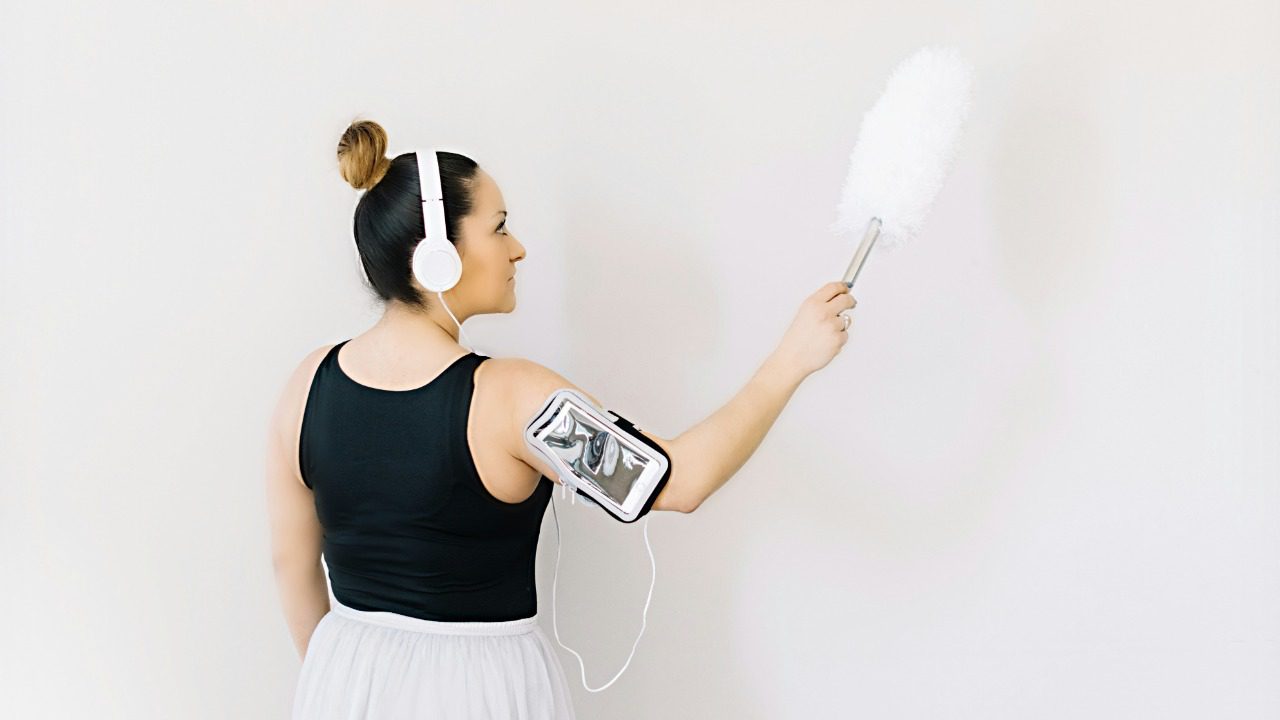
Listening to music or podcasts can make decluttering more enjoyable. It can also distract you from the task at hand, making it feel less tedious.
Choose something that uplifts your mood or sparks your interest. You might find that you’re able to declutter for longer periods of time when you’re listening to something enjoyable. For instance, you could listen to a motivational podcast that inspires you to create a more organized, peaceful environment.
13. Tackle Sentimental Items Last

Sentimental items can be the hardest to declutter because of the emotional attachment. That’s why it’s a good idea to tackle them last, once you’ve gained momentum and confidence from decluttering other areas.
When dealing with sentimental items, ask yourself if keeping them truly adds value to your life. You might find that it’s the memories associated with these items, not the items themselves, that are important. For example, instead of keeping all your children’s artwork, you could choose a few pieces to display and take photos of the rest.
14. Celebrate Your Progress

Decluttering can be a long and challenging process. That’s why it’s important to celebrate your progress, no matter how small.
Celebrating your progress can boost your mood and motivate you to continue decluttering. You can reward yourself with a treat, a relaxing activity, or simply by taking a moment to appreciate your cleaner, more organized space. For example, after decluttering your kitchen, you could treat yourself to a nice meal using your newly organized cooking utensils.
15. Be Patient with Yourself

Decluttering is not a one-time task, but a continuous process. It’s okay if you don’t get it right the first time, or if progress is slower than you expected.
Being patient with yourself can reduce stress and prevent you from getting overwhelmed. Remember, the goal is not perfection, but improvement. It’s about creating a space that supports your mental wellbeing and brings you joy. So, take it one step at a time and celebrate each small win along the way.
16. Declutter Regularly

Decluttering regularly can prevent clutter from building up. It can also make the task less overwhelming as you only have to deal with a small amount of clutter each time.
By making decluttering a regular habit, you can maintain a clean and organized environment that supports your mental health. For example, you could declutter your desk at the end of each workday, or go through your wardrobe at the start of each season.
17. Keep a Donation Box

Keeping a donation box in your home can make it easier to get rid of items you no longer need. Whenever you come across something you want to donate, simply put it in the box.
This not only keeps your space clutter-free, but also makes donating items a regular habit. Once the box is full, take it to a local charity. This way, you’re constantly making room for new items and helping others at the same time.
18. Use the Four-Box Method

The four-box method involves sorting items into four categories: keep, donate, trash, and relocate. This can make the decluttering process more organized and efficient.
By categorizing items, you can make clear decisions about what to do with each item. It also ensures that each item has a designated place, whether it’s in your home, a donation box, or the trash bin. For example, while decluttering your kitchen, you might decide to keep your favorite mugs, donate excess utensils, trash broken items, and relocate cookbooks to a bookshelf.
19. Seek Professional Help

If decluttering feels too overwhelming, or if you’re dealing with extreme clutter, it might be helpful to seek professional help. There are professional organizers who can guide you through the process and provide practical tips and solutions.
Seeking professional help can make the decluttering process easier and less stressful. It can also provide emotional support, especially if you’re dealing with sentimental clutter or feelings of guilt and anxiety. Remember, it’s okay to ask for help if you need it. You don’t have to do it all on your own.