


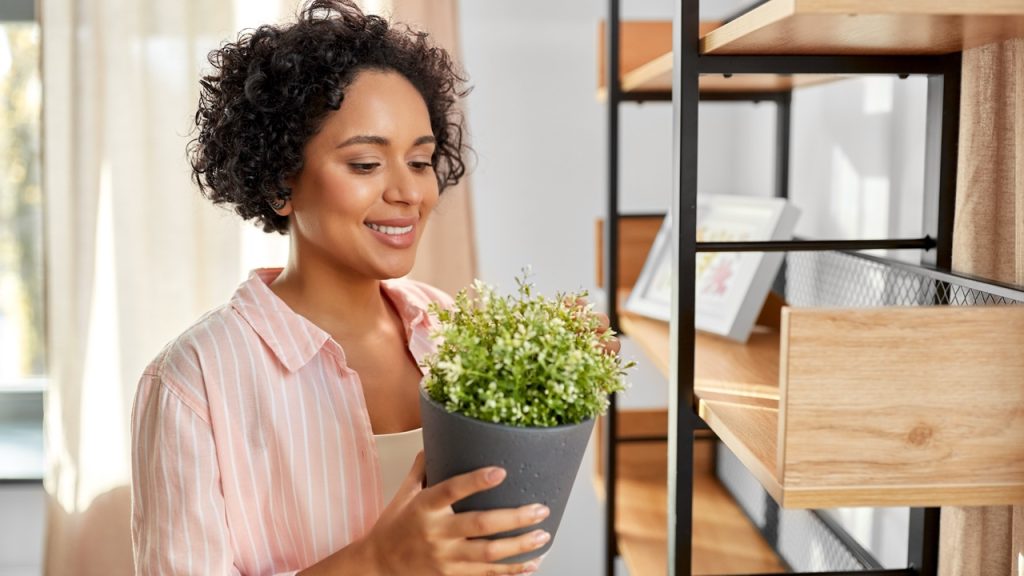
Every year, the world of design witnesses a multitude of changes, reflecting evolving consumer needs, cultural shifts, and technological advancements. As this constant evolution continues, certain styles that were once popular become outdated, making way for fresh, innovative trends. With 2025 on the horizon, many designers are starting to anticipate the changes that the new year will bring. In this blog post, we’ll explore 12 design styles that experts predict will need to go in 2025.
1. Minimalism

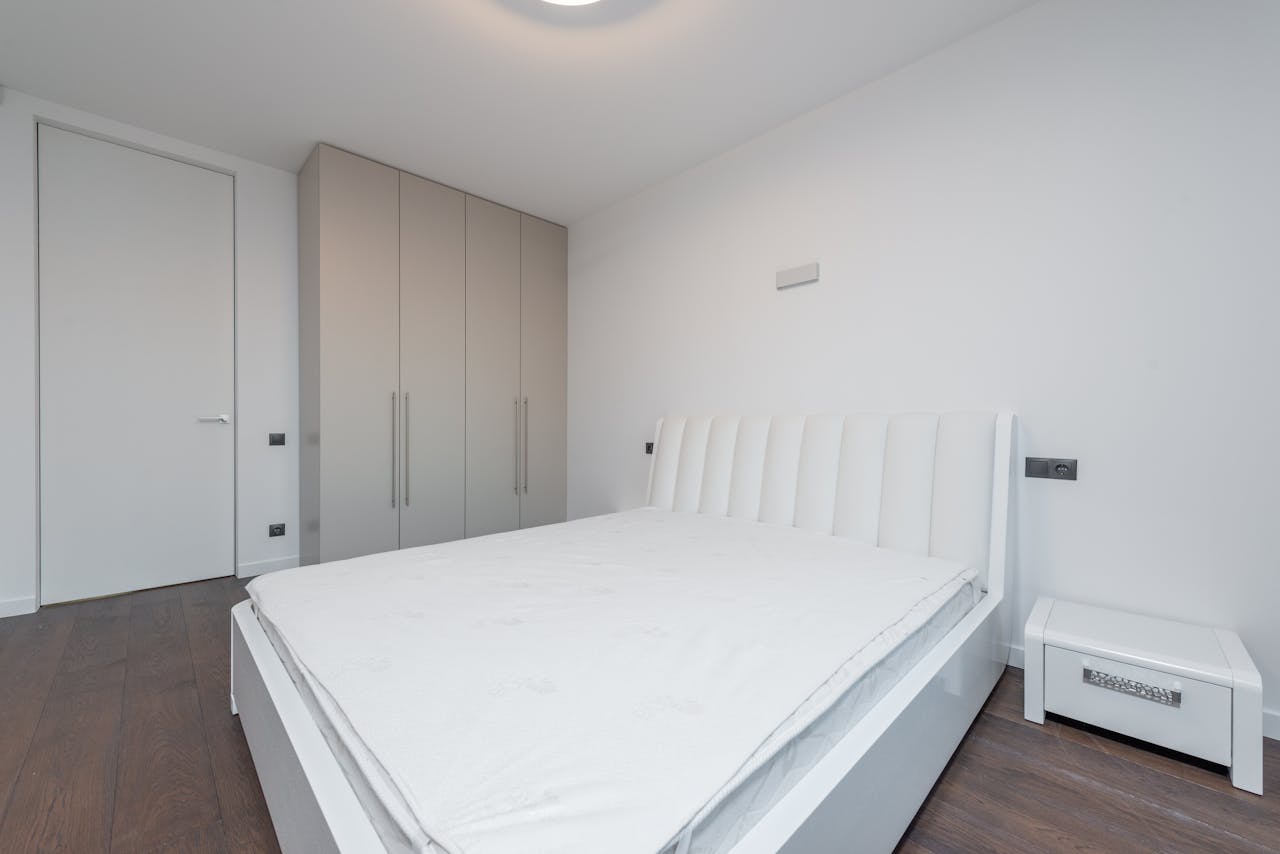
Gone are the days of the “less is more” philosophy. Minimalism, characterized by simplicity and the use of minimal components, is slowly losing its appeal. As we move towards 2025, designers are anticipating a shift towards maximalism, which celebrates abundance and excess.
Maximalism doesn’t mean cluttered or chaotic; it signifies a rich, layered design that tells a story. This shift could be attributed to the fact that people are looking for more personalized, expressive design solutions that go beyond the clean, neutral aesthetic of minimalism. So, if you are still stuck in the minimalist mindset, it might be time to explore the vibrant world of maximalism.
2. Open Floor Plans


Open floor plans have been all the rage in interior design for the past decade. However, with more people working from home, the need for privacy and separate workspaces is on the rise. As we approach 2025, designers predict a shift towards more traditional floor plans with clearly defined rooms.
This doesn’t mean reverting back to old-fashioned, boxed-in designs. The new trend is likely to incorporate elements of the open floor plan, such as large windows and open sightlines, while also providing separate spaces for different activities. So, if you’re planning a home renovation, consider incorporating more walls and doors into your design.
3. All-White Interiors

The all-white interior trend is slowly fading away. While it may create a clean and bright space, it can also come across as cold and impersonal. As we approach 2025, designers expect to see more color in our homes.
This doesn’t mean you need to paint every wall a bold color. Instead, consider introducing color through smaller elements, like a statement piece of furniture, accent walls, or decorative accessories. The goal is to create a warm, inviting space that feels like home.
4. Industrial Design

Industrial design, with its exposed brick and metal accents, has been a popular trend for years. However, as we approach 2025, designers predict this style will start to feel outdated. Instead, they anticipate a shift towards more natural, organic materials.
This means replacing cold, hard surfaces with warmer materials like wood and stone. The goal is to create a space that feels more inviting and comfortable, while still retaining a modern aesthetic. So, if you’re a fan of the industrial look, consider incorporating more natural elements into your design.
5. Chevron Patterns
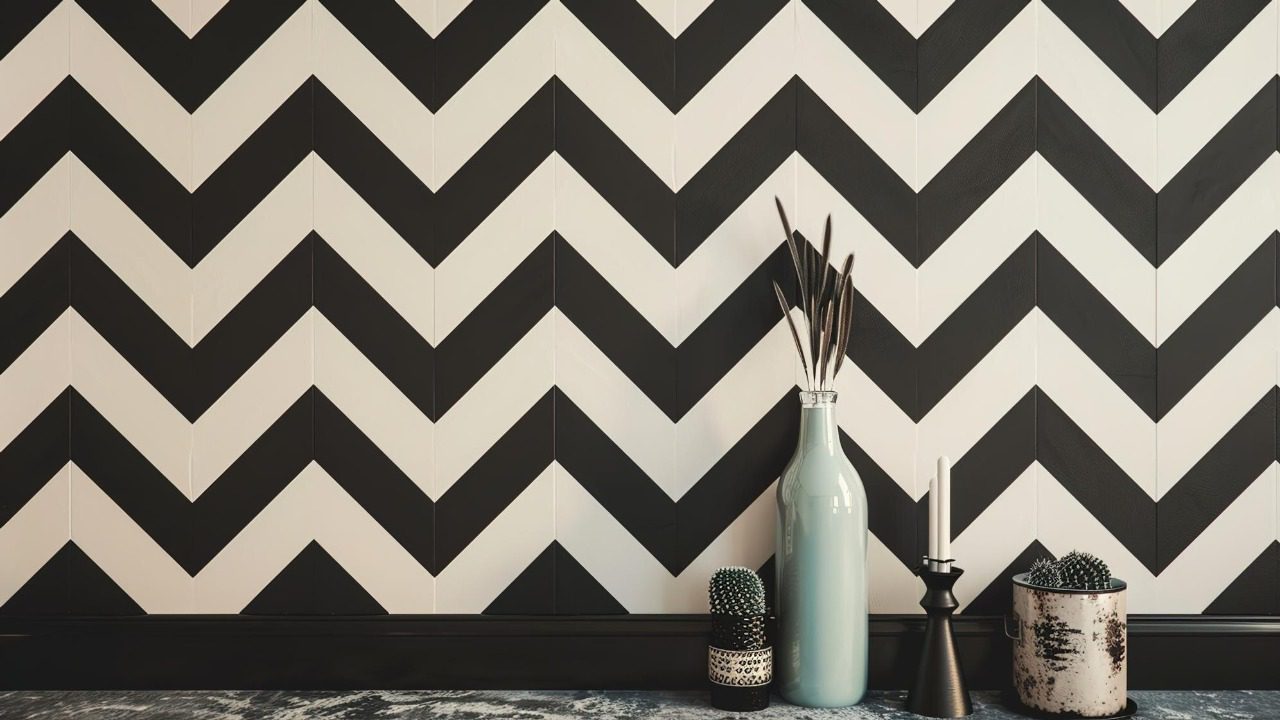
Chevron patterns have been a staple in design for years, but according to designers, it’s time for this trend to retire. As we approach 2025, expect to see less of this zigzag pattern and more unique, abstract designs.
This shift away from chevron is part of a larger trend towards more personalized, unique design elements. So, instead of relying on standard patterns, consider incorporating custom artwork or unique textiles into your design. The goal is to create a space that is truly one-of-a-kind.
6. Word Art

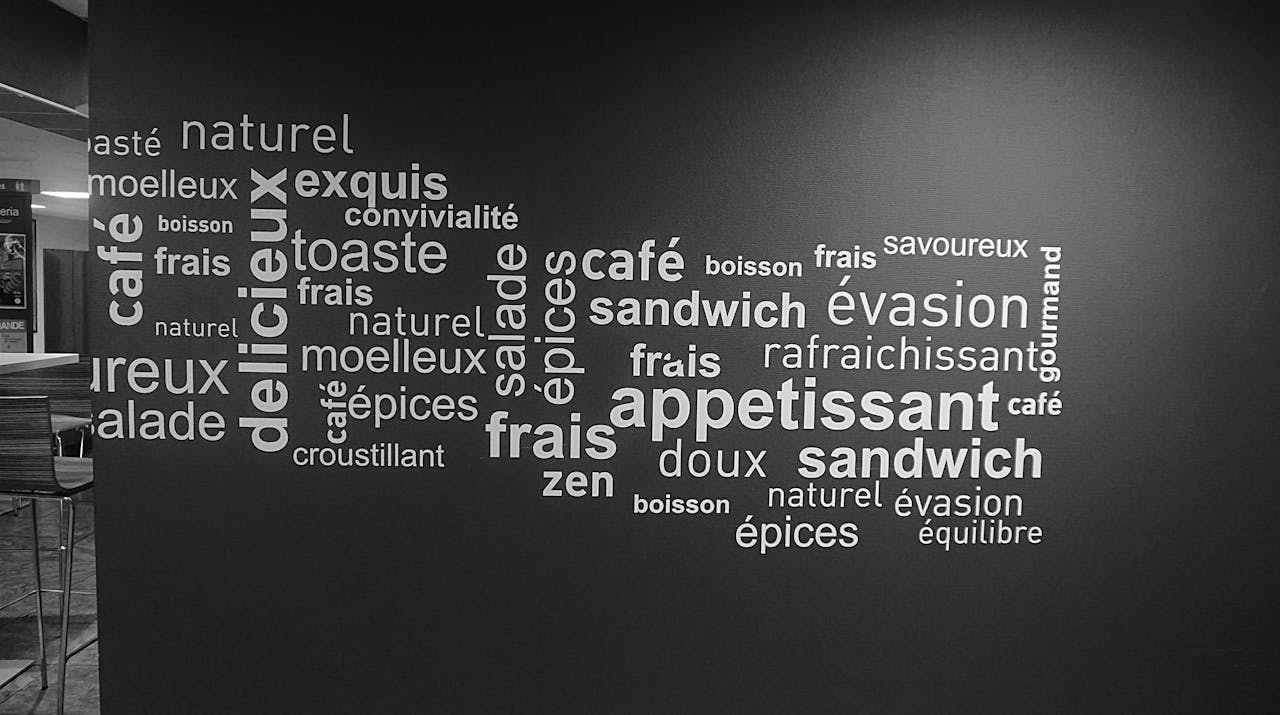
“Live, Laugh, Love” has had its moment in the sun, but according to designers, it’s time for word art to go. As we approach 2025, expect to see less of these cliché phrases and more unique, meaningful artwork.
This doesn’t mean you can’t express yourself through your decor. Instead, consider incorporating artwork that speaks to your personal tastes and experiences. The goal is to create a space that is a reflection of you, not just a collection of popular trends.
7. Fast Furniture
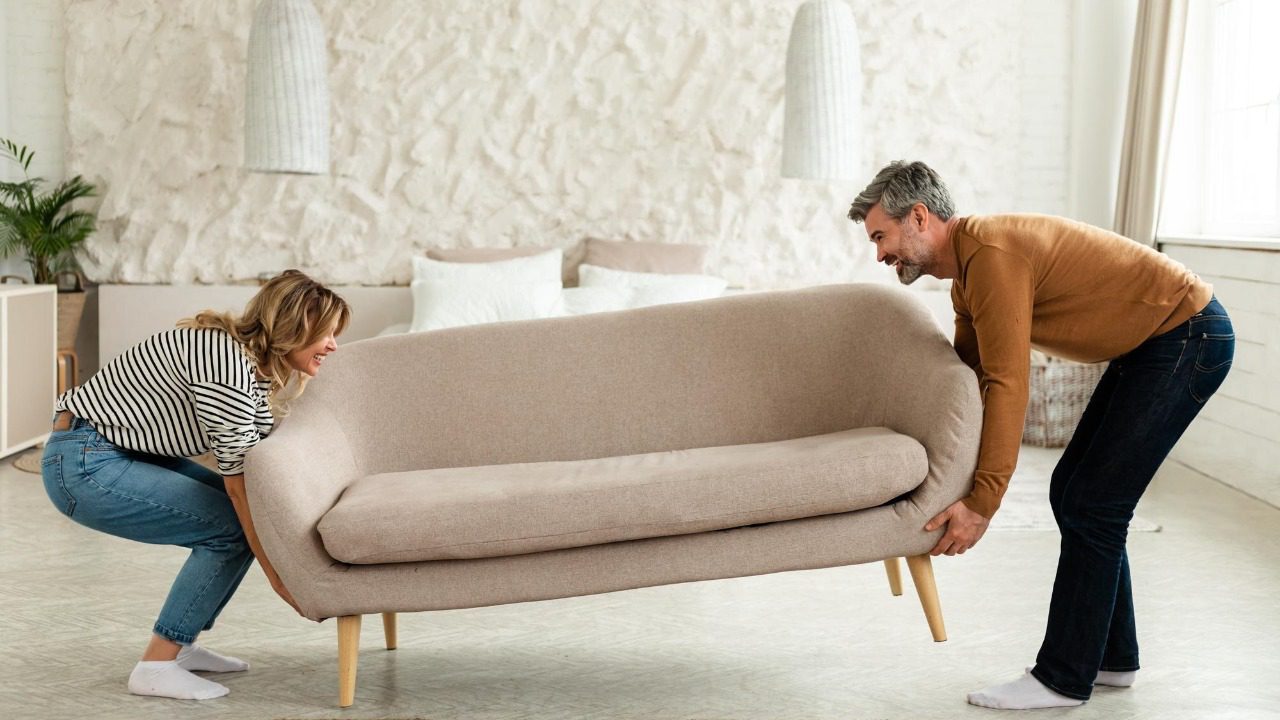
Fast furniture, or cheaply made furniture that’s not built to last, has been a popular choice for budget-conscious consumers. However, as we approach 2025, designers are predicting a shift towards more sustainable, high-quality pieces.
This shift is part of a larger trend towards sustainability and conscious consumption. So, instead of buying cheap furniture that will need to be replaced in a few years, consider investing in well-made pieces that will stand the test of time. Not only will this save you money in the long run, but it’s also better for the environment.
8. Shiplap Walls
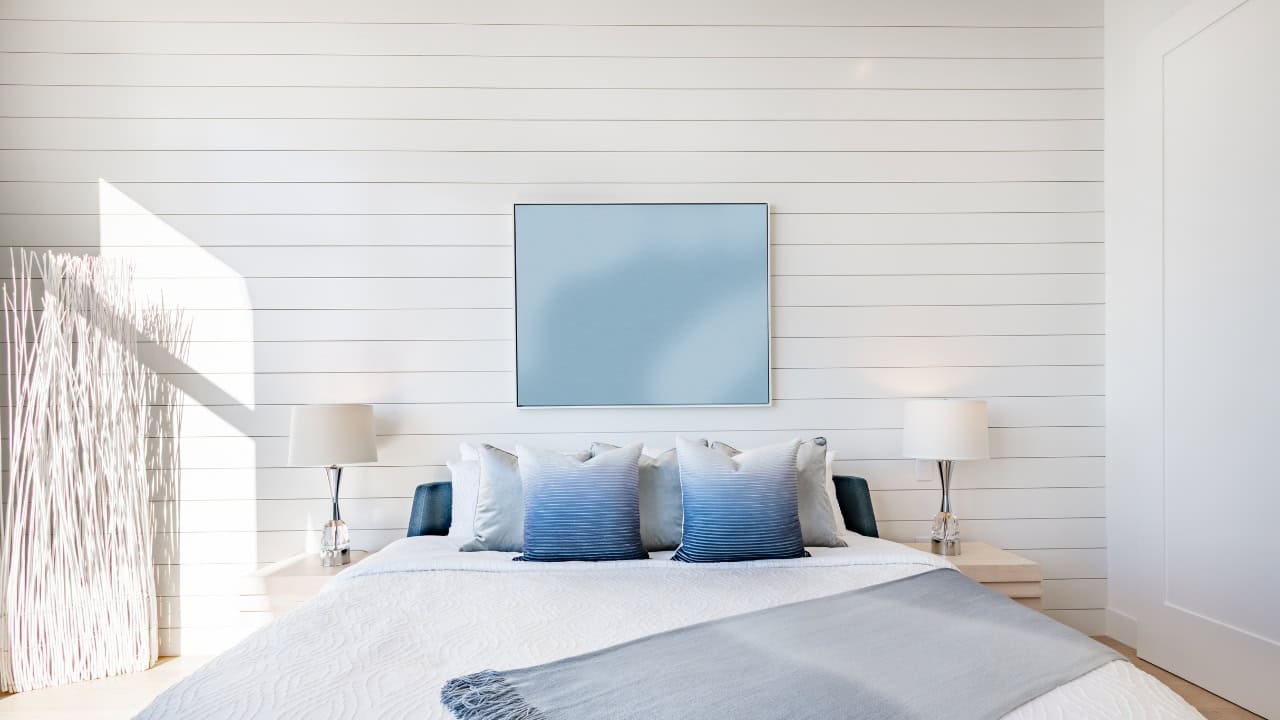
Shiplap walls, popularized by home renovation shows, have been a major design trend in recent years. However, as we approach 2025, designers are predicting a shift away from this rustic look.
This doesn’t mean you can’t incorporate natural elements into your design. Instead, consider using more timeless materials, like brick or stone. These materials can add texture and interest to your space without dating it.
9. Grey Monochrome

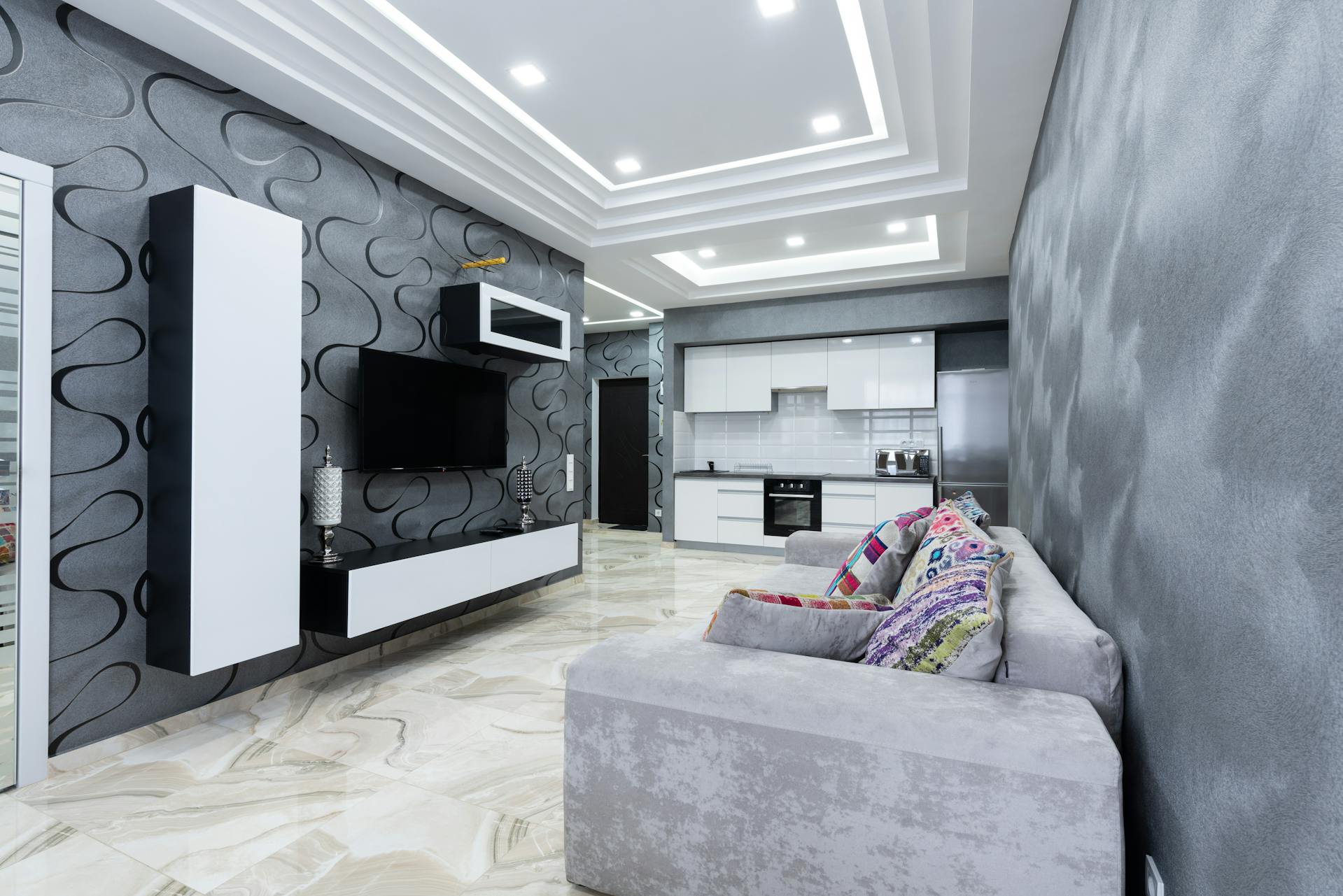
The grey monochrome trend has been around for a while, but designers are predicting that it’s time for a change. As we approach 2025, expect to see more color in our homes.
This doesn’t mean you have to abandon neutral colors entirely. Instead, consider incorporating warmer neutrals, like beige and taupe, into your design. These colors can add warmth and depth to your space, while still maintaining a neutral palette.
10. Overly Themed Rooms

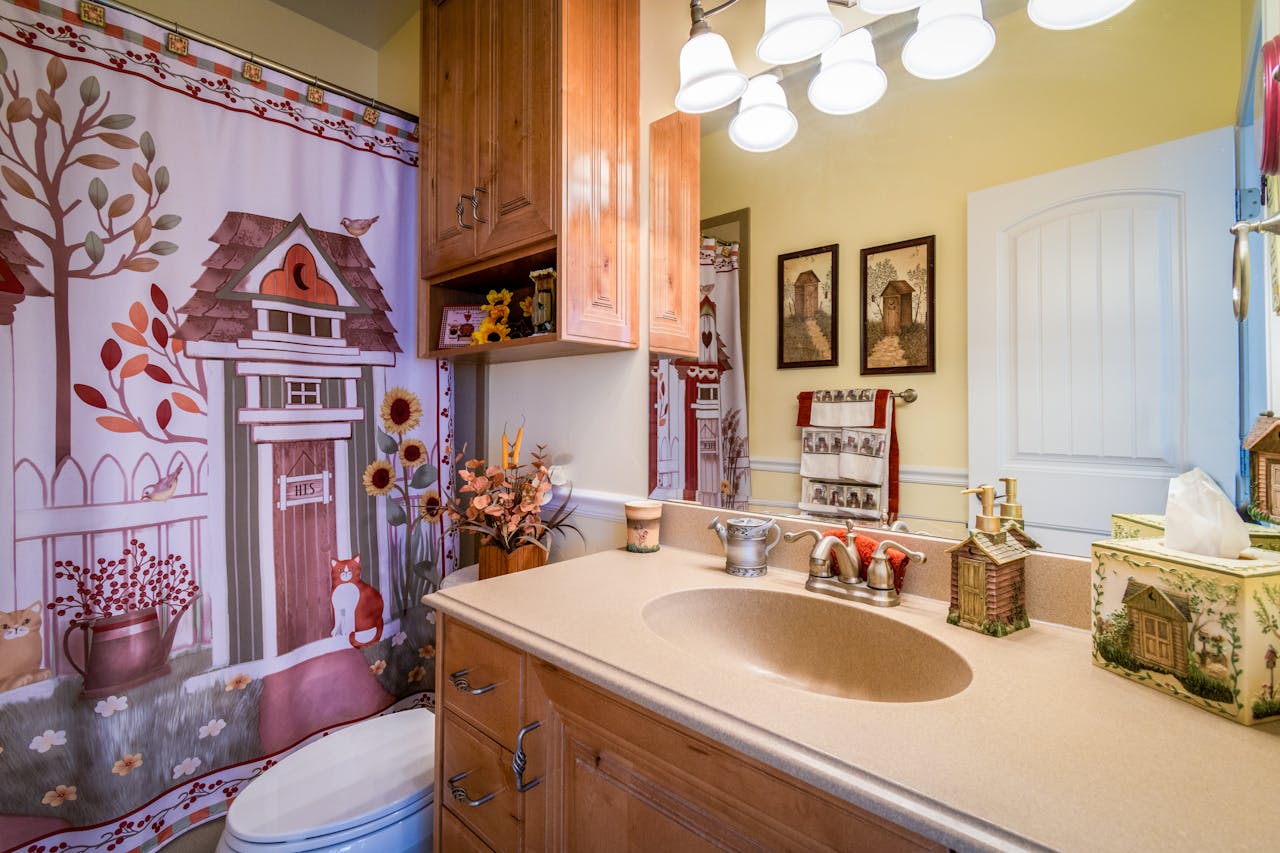
Overly themed rooms, like a beach-themed bathroom or a safari-themed bedroom, can feel dated and cliché. As we approach 2025, designers are predicting a shift towards more subtle, nuanced design.
This doesn’t mean you can’t incorporate your favorite themes into your design. Instead, consider using subtle nods to your theme, rather than overt, literal interpretations. This will create a more sophisticated, timeless look.
11. Rose Gold


Rose gold has been a popular trend in everything from jewelry to kitchen appliances. However, as we approach 2025, designers are predicting a shift away from this pink-hued metal.
This doesn’t mean you can’t incorporate metallic accents into your design. Instead, consider using timeless metals, like gold or silver. These metals are versatile and can work with a variety of color schemes.
12. Faux Plants

Faux plants have been a popular choice for those who want the look of greenery without the maintenance. However, as we approach 2025, designers are predicting a shift towards real, live plants.
Not only do real plants improve air quality, but they also add a level of depth and texture that faux plants can’t replicate. So, if you’re a fan of greenery, consider incorporating some real plants into your design.