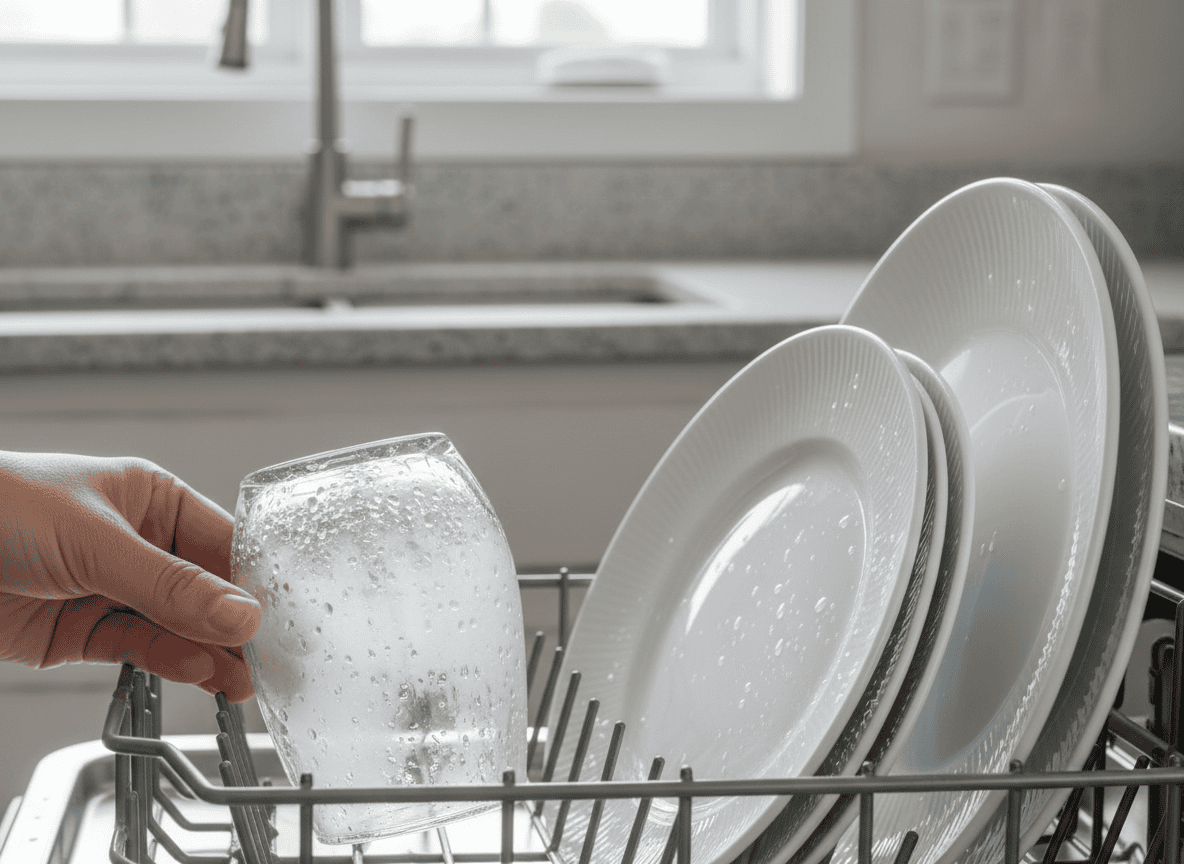
The cloudy film left behind on glasses after a dishwasher cycle is made mostly of calcium, magnesium, and aluminum, according to water-treatment research published by Cascade, one of the largest dishwasher detergent manufacturers in the country. That detail matters because it comes from a detergent company essentially admitting that its own product isn’t the deciding factor. The minerals causing the haze are already dissolved in a home’s water supply before the pod ever hits the dispenser, which means switching detergent brands treats a symptom while leaving the actual cause running straight into the machine every single cycle.
What’s Really Sitting on the Glass
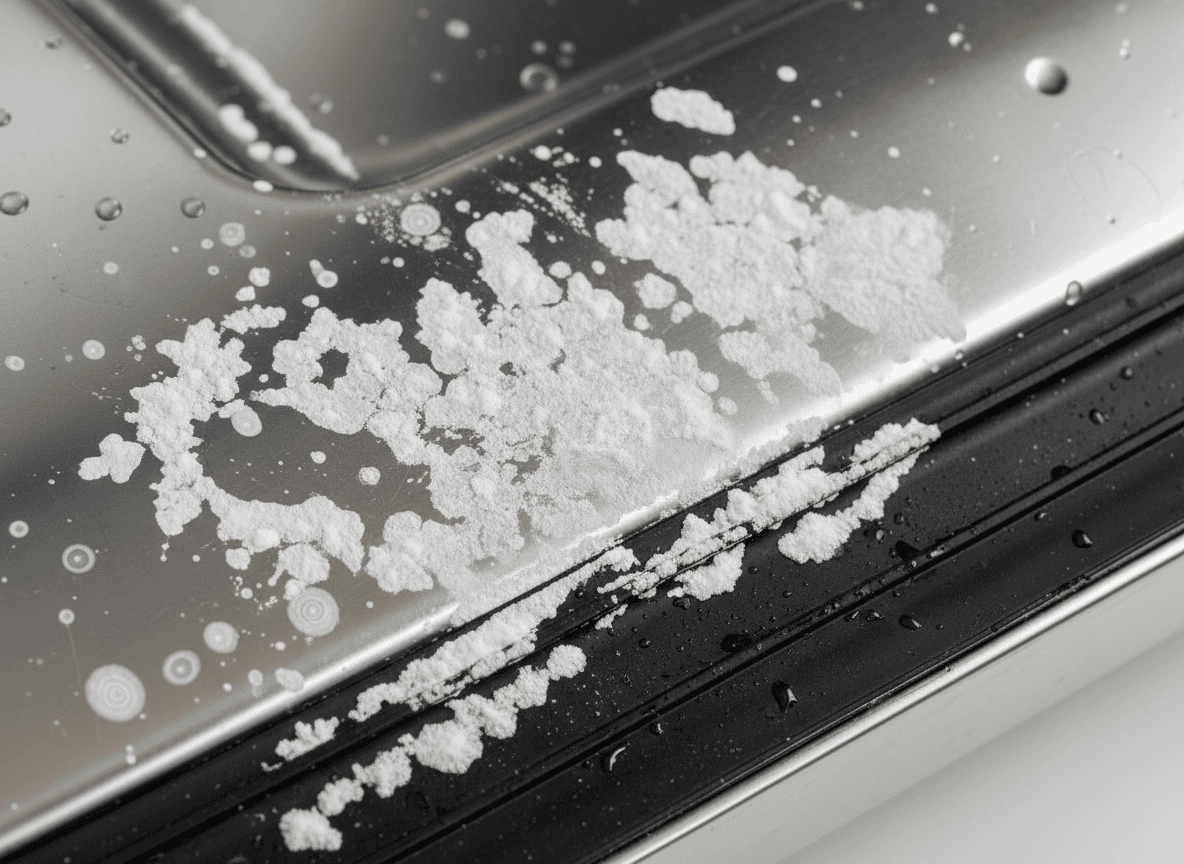
According to Cascade’s own troubleshooting guide, the film forms when detergent combines with water hardness, leaving mineral deposits that cling to glassware, plates, and the inside of the machine itself. Culligan, a water-treatment company with no detergent to sell, describes the same mechanism from the water-quality side: calcium and magnesium minerals “cling together” and aren’t broken down by soap, which is why the company states plainly that “even the best dish soap and the longest wash cycle won’t get rid of these minerals for good.” Two companies with opposite incentives are describing the identical chemistry.
Why the Pod Gets Blamed Anyway
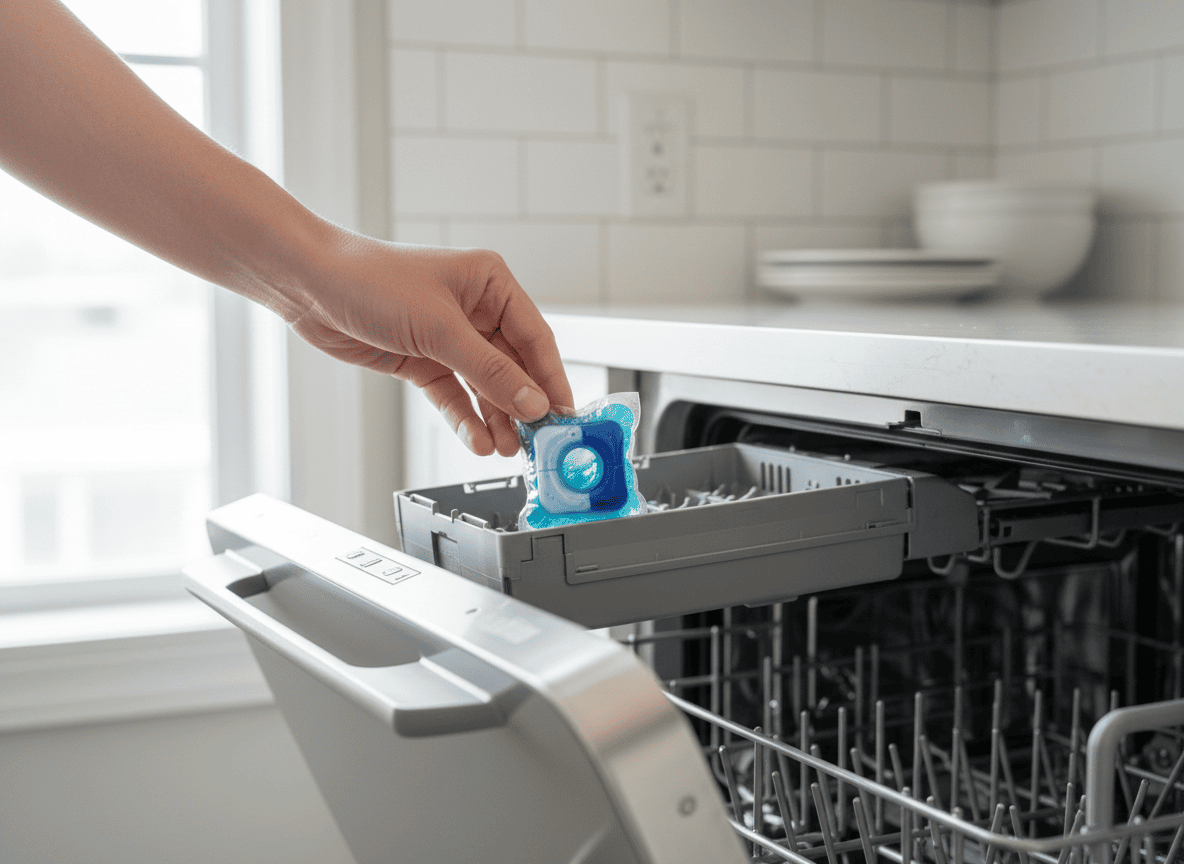
It’s an easy jump to make. The pod is the last thing a person touches before the film shows up, so it becomes the obvious suspect, and detergent aisles are full of premium options promising a “spot-free” or “crystal clear” finish that implicitly suggest the formula is the fix. Some premium pods do include rinse-aid boosters that help water sheet off glass rather than pool and evaporate into spots, which reduces one kind of residue. But that’s a different problem than mineral film, and it’s why a household can upgrade to a pricier pod, follow every instructions on the box, and still see the same cloudy glasses a month later. The minerals were never a detergent-formula problem to begin with.
What Actually Changes the Outcome
Cascade’s own recommendations lean on addressing water conditions directly rather than the soap: using a rinse-aid booster, running the machine with water heated to at least 120°F so minerals stay suspended instead of settling onto dishware, and treating already-filmed glasses with a vinegar soak since detergent alone won’t lift deposits that have already bonded to the surface. Culligan’s guidance goes a step further upstream, recommending a whole-home water softener that uses negatively charged resin beads to capture calcium and magnesium before they ever reach the dishwasher, the water heater, or anything else in the house that mineral buildup tends to damage over time.
Hard Water Is More Common Than People Assume
The U.S. Geological Survey notes that hard water is prevalent across large stretches of the country, particularly the east-central and western United States, where groundwater passes through limestone and gypsum deposits that dissolve calcium and magnesium directly into the supply before it ever reaches a home’s pipes. That means a household can move across town, install a brand-new dishwasher, and still see the same film show up within a few weeks, because the water feeding the machine hasn’t changed even though every appliance touching it has. It’s also why two neighbors running the same detergent pod can have completely different experiences with residue, depending on which water main serves their street.
A Smaller Fix Worth Trying First
Not every household is ready to install a softener, and there’s a cheaper diagnostic step first: run a cycle with nothing but a cup of white vinegar in the bottom rack and no dishes. If the inside of the machine comes out visibly clearer and the next load of dishes is noticeably less hazy, that’s a strong sign hard water minerals are the driver, not the detergent. If the film barely budges, something else, like a worn rinse-aid dispenser or a clogged spray arm, is more likely worth investigating instead.
The pod in the dispenser is the variable people can see and swap, which makes it a tempting place to lay blame. But the film covering the glass was largely determined by the municipal water report before the detergent aisle ever entered the picture, and no amount of brand-switching changes what’s already dissolved in the tap.