


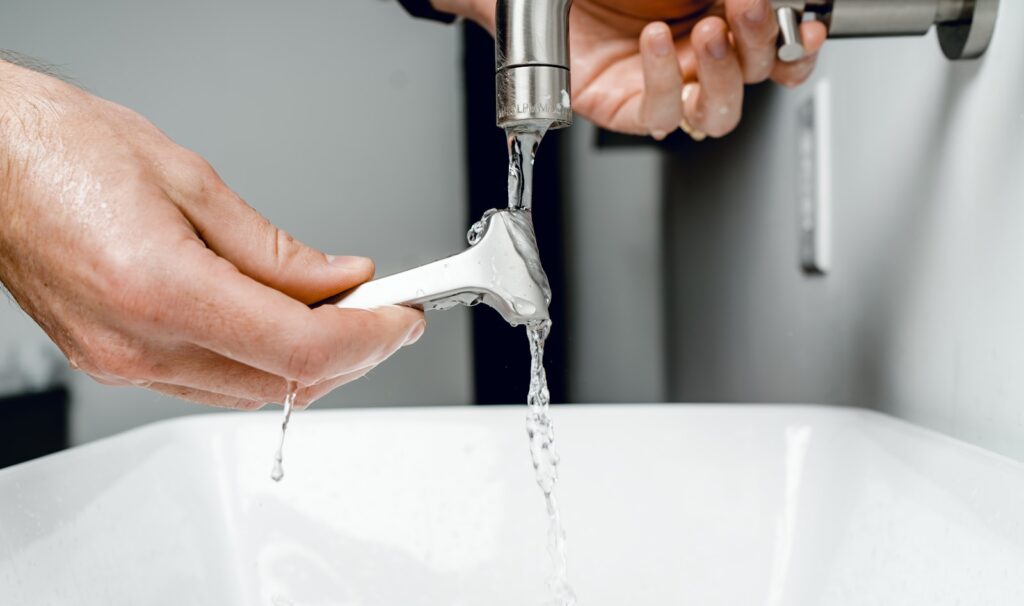
When the forecast suddenly drops into the teens, the old advice to “leave the faucets dripping” comes roaring back. It sounds almost too simple, but the stakes are real: frozen pipes can burst, flood a home, and rack up a repair bill that makes a higher water statement look tame. Homeowners are left trying to decide whether that slow drip is smart prevention or just a waste of money.
Plumbing experts say the habit is more than folklore, but it is not a one-size-fits-all fix. The real answer depends on how cold it gets, how a home is built, and what other steps are in place to protect the plumbing. With a little context, that tiny stream of water starts to look less like superstition and more like one tool in a broader winter game plan.
Why people drip faucets in the first place

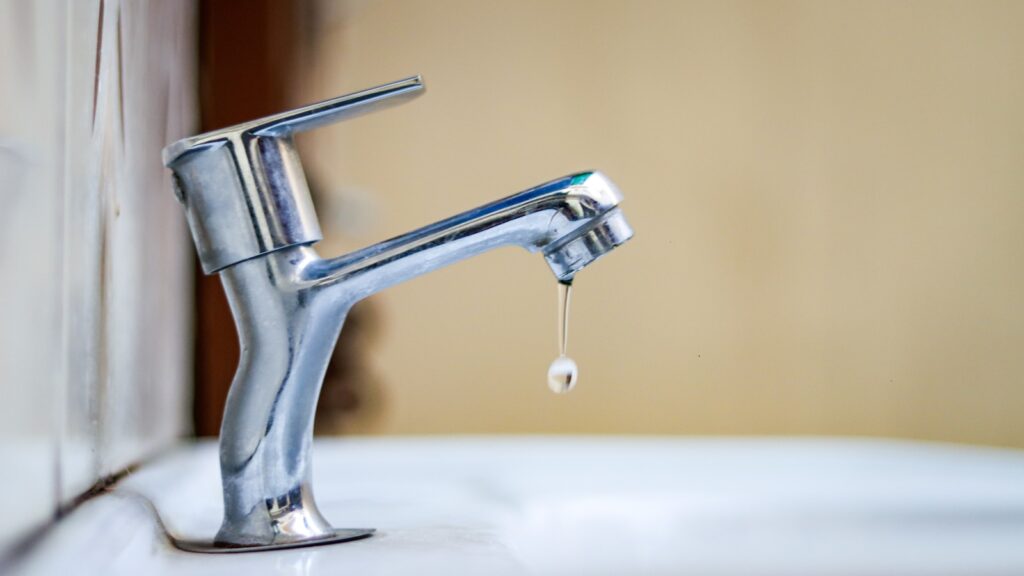
The basic idea behind dripping a faucet is simple: moving water is harder to freeze, and a small flow can relieve pressure inside pipes if ice does start to form. When water freezes in a closed line, it expands and pushes outward on copper, PEX, or PVC, turning a quiet stretch of pipe into a pressurized tube that can split open. A slow drip keeps water circulating and gives that expanding ice somewhere to go, which is why plumbers have leaned on the tactic for decades and why guides on drip faucets still treat it as a frontline move.
That pressure piece is key. Even if a pipe freezes solid, it does not always burst at the frozen spot. Instead, the break often shows up a few feet away where the ice plug has forced liquid water to compress. By cracking a faucet open, homeowners turn the plumbing system from a sealed loop into a pressure relief valve. Experts who walk through winter best practices consistently put that pressure management benefit right alongside insulation and air sealing.
When the temperature is low enough to matter
Not every chilly night calls for running water. Plumbing specialists point out that pipes usually start to be at real risk when outdoor temperatures drop below about 20 degrees Fahrenheit, especially for several hours in a row. That threshold shows up repeatedly in expert rundowns of cold weather prep, including detailed key takeaways that spell out how quickly pipes can freeze once the mercury sinks below that mark.
Of course, the number on the weather app is only part of the story. A well insulated house with interior plumbing can ride out a short dip into the teens without trouble, while a drafty crawl space or unheated garage can turn a 25 degree night into a problem. That is why some guides on cold weather dripping focus less on a single magic temperature and more on patterns, like extended hard freezes or wind chills that drive cold air into wall cavities.
What experts actually say about “Yes” or “No”
Asked bluntly whether people should drip faucets in a freeze, many pros land on a clear “Yes” when the conditions are right. Plumbing and safety organizations, including the Red Cross cited in winter guidance, explicitly recommend opening taps when a hard freeze is in the forecast. Their reasoning is straightforward: the cost of a few gallons of water is tiny compared with tearing out drywall to replace a burst line.
Home improvement specialists echo that view, but they frame dripping as part of a package rather than a magic shield. Articles that walk through whether people really need to drip, including the widely shared piece “Do You Really Need To Drip Faucets When It Freezes, Here, What The Experts Say, Yes,” stress that the habit works best alongside insulation, air sealing, and thermostat discipline. That same phrase “Do You Really Need To Drip Faucets When It Freezes, Here, What The Experts Say, Yes” appears again in follow up coverage, underlining how firmly the expert consensus has settled around using a drip when temperatures plunge.
How much water to run, and which faucets to pick
Even the most cautious homeowner does not need a full stream running all night. Plumbers typically suggest a thin, steady trickle, just enough to be visually continuous rather than a slow drip that stops and starts. That small flow is enough to keep water moving and relieve pressure, and it lines up with the advice in step by step guides on how to drip that emphasize moderation over waste.
Location matters just as much as flow. The priority is any faucet fed by pipes that run through unheated or poorly insulated spaces, like exterior walls, attics, basements, or crawl spaces. Many city and utility handouts, including the freezing and bursting guide from Paola, Kansas, specifically call out letting water run from faucets served by exposed lines, even with a slow flow, to keep those vulnerable stretches from locking up.
Balancing water use with the cost of a burst pipe
There is no getting around it: leaving taps open uses extra water, and in drought prone regions that can feel like a tough tradeoff. Still, experts point out that a single night of trickling faucets usually adds up to only a few dozen gallons, which is a fraction of what a typical household uses in a day. By contrast, a burst pipe can dump hundreds of gallons in minutes, and the resulting water damage can ruin flooring, furniture, and electrical systems long before anyone notices.
That cost comparison shows up repeatedly in homeowner advice columns that weigh whether dripping is worth it. One widely shared explanation notes that “Do You Really Need To Drip Faucets When It Freezes, Here, What The Experts Say, Yes” because the small bump in a monthly bill is nothing next to the price of repairing drywall and replacing soaked belongings. City level resources like the Paola prevention guide take the same line, urging residents to let water run, even with a slow flow, when a deep freeze threatens local infrastructure.
Other steps that matter just as much as dripping
Faucet dripping gets the headlines, but professionals are quick to say it should not be the only move. Insulating pipes in basements, crawl spaces, and garages, sealing gaps where cold air sneaks in, and keeping interior doors open so warm air can circulate all reduce the odds that water will freeze in the first place. Detailed checklists on freezing and bursting also mention heating cables and tapes as effective tools for especially exposed lines.
Home service experts go even further, urging homeowners to think about the building envelope, not just the plumbing. Guides on sealing gaps and explain that cold air leaking through rim joists, sill plates, and utility penetrations can drop pipe temperatures fast, making professional guidance essential in very cold climates. In that context, a dripping faucet is more like a safety net under a well prepared system than a substitute for basic maintenance.
Special cases: older homes, vacant houses, and mobile units
Some properties are simply more vulnerable than others. Older homes with thin wall insulation, uninsulated crawl spaces, or long runs of pipe on exterior walls are prime candidates for both dripping faucets and more aggressive upgrades. Manufactured homes and mobile units, where plumbing often runs in shallow underbellies exposed to wind, can be even more at risk, which is why many owners in those communities treat dripping as non negotiable whenever a hard freeze is forecast.
Vacant houses are another special case. Without interior heat from people, appliances, and daily life, temperatures inside can fall quickly, even if the thermostat is set low. In those situations, experts often recommend a combination of leaving the heat on, opening cabinet doors, and letting taps run. City level instructions that tell residents to let the water even with a slow flow are written with these higher risk setups in mind, where a single burst line can go unnoticed for days.
What to do if pipes freeze anyway
Even with careful prep, a brutal cold snap can still win. When a faucet suddenly stops running on a frigid morning, the first step is to stay calm and leave the tap open so any thawed water has somewhere to go. Then, homeowners can gently warm the suspected frozen section with a hair dryer, space heater, or warm towels, working slowly and avoiding open flames. Detailed walk throughs on How To Thaw emphasize patience, since rushing the process can crack pipes or create sudden leaks.
If a pipe has already burst, the priority shifts to limiting damage. That means shutting off the main water supply, cutting power to any affected area if water is near outlets or wiring, and calling a licensed plumber. Cleanup can be just as important as repair, because standing water and soaked materials can lead to mold and long term structural issues. Many of the same experts who say “Do You Really Need To Drip Faucets When It Freezes, Here, What The Experts Say, Yes” also underline that early action after a failure can be the difference between a manageable mess and a months long renovation.
How to build a simple cold weather game plan
For most households, the smartest move is to treat dripping faucets as one piece of a short, repeatable checklist. When a hard freeze is on the way, that list might look like this: set the thermostat to hold a steady temperature, open cabinet doors under sinks on exterior walls, close garage doors, and then crack open the most vulnerable faucets to a thin trickle. That routine lines up with the practical expert advice that has circulated widely in recent winters.
Over the longer term, homeowners can chip away at the root causes that make dripping necessary in the first place. That might mean adding foam sleeves to basement pipes, scheduling an energy audit to find cold air leaks, or talking with a contractor about rerouting especially exposed lines. As one widely shared explainer on “Do You Really Need To Drip Faucets When It Freezes, Here, What The Experts Say, Yes” puts it, the goal is not to rely forever on a dripping tap, but to build a house where that last line of defense is needed less often, even when the temperature outside takes a serious dive.
More from Decluttering Mom: