


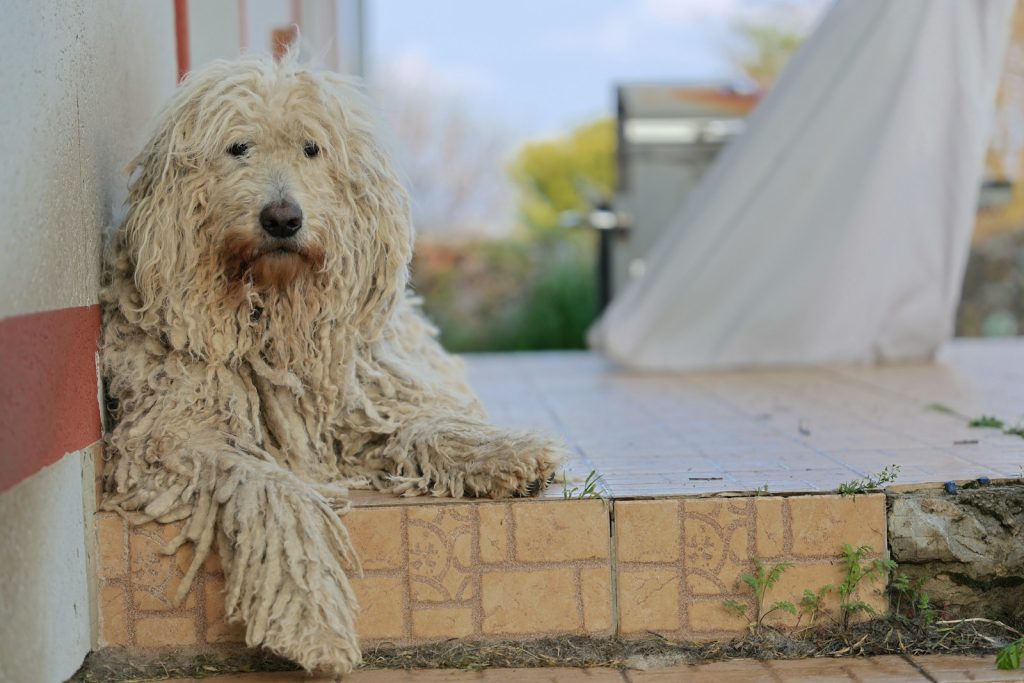
Once marketed as the perfect family pet, doodle dogs are now turning up in shelters in numbers that rescue workers describe as a crisis. As economic strain collides with the reality of high-maintenance care, the same designer mixes that once commanded premium prices are being relinquished, abandoned in fields, or left outside clinics. The result is a growing population of anxious, matted, often sick dogs that charities are scrambling to save with limited space and dwindling funds.
The surge in abandonments is not confined to one city or even one country, and it is reshaping how frontline rescuers talk about breeding, ownership, and responsibility. From Kentucky to Oklahoma and beyond, staff and volunteers say the doodle boom has tipped into a bust, with shelters overcrowded and once-coveted dogs suddenly hard to place.

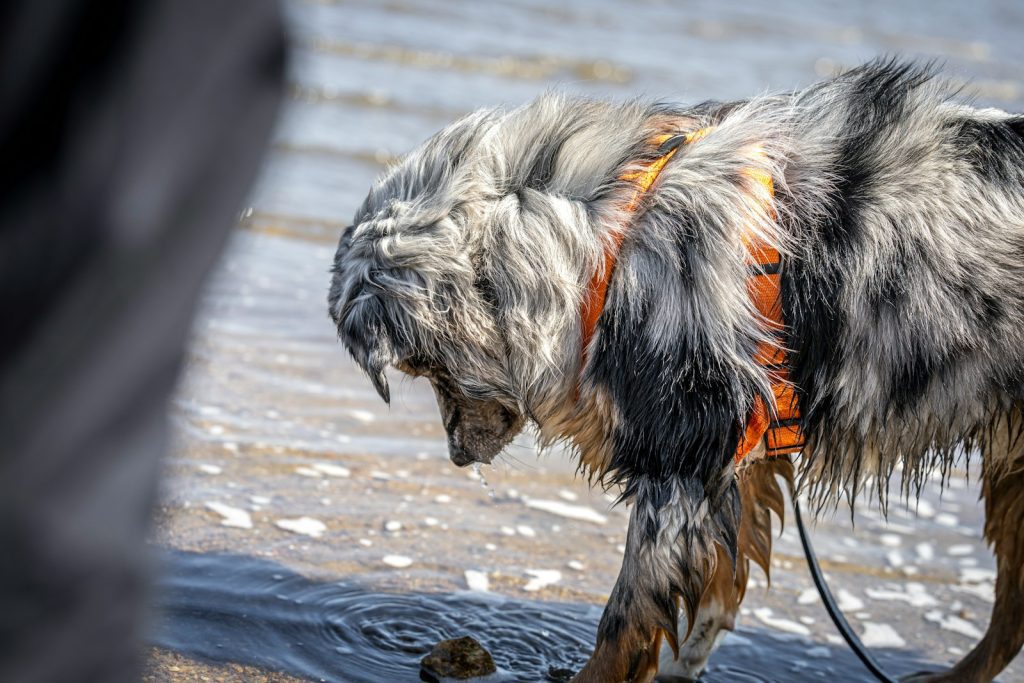
The pandemic pet boom that set the stage
The current wave of discarded doodles did not appear out of nowhere, it grew out of a pandemic-era rush to acquire companion animals. As lockdowns took hold and people worked from home, demand for puppies soared, and poodle mixes were aggressively promoted as cute, clever and allegedly low shedding. Commentators such as Don Burke have noted that for dog owners, the last 20 years have brought a remarkable shift in preferences, with the first so-called designer crosses appearing about two decades ago and then accelerating into a mainstream trend, a pattern that set the groundwork for the later Covid spike in demand for designer dogs.
When Covid restrictions began to ease and offices reopened, many of those impulse acquisitions became harder to manage. One rescue analysis described an Increasing Number of in Shelters as people went back to work and travelling, leaving dogs that had grown used to constant human company suddenly alone for long stretches. Separation anxiety, destructive behavior and training gaps followed, and for owners who had never planned for a decade-long commitment, surrendering the dog began to look like the easiest option.
From status symbol to shelter statistic
Doodles were initially sold as aspirational pets, with price tags that signaled status as much as affection. Breeders marketed Labradoodles, Goldendoodles and other mixes as combining the best traits of popular purebreds with the perceived hypoallergenic coat of a poodle, and buyers often paid thousands of dollars for puppies. Yet shelter workers now report that these same dogs are arriving in kennels in growing numbers, part of a broader pattern in which Many animal shelters report a rise in purebred and designer dog intakes as commercial breeding operations cash in on popularity and then offload the fallout onto overstretched shelters.
Data collected by Shelter Animals Count underscores how widespread the shift has become. In a recent survey, the group found that over 60% of 314 polled organizations reported seeing more purebred and designer dogs in their care, a figure that reflects both changing consumer tastes and the consequences of breeding for trends rather than long-term homes. Those numbers, gathered through a structured poll of frontline groups, mirror what staff describe anecdotally, that almost anything, including once-exclusive doodles, can now be found waiting behind the bars of a crowded shelter.
Lexington’s warning sign: finances and medical neglect
In Lexington, Kentucky, the crisis has taken on a particularly stark face. Local rescuers describe a surge in abandoned doodles, including dogs left with untreated injuries and severe matting that points to months of neglect. One organizer, Dec Spreitzer, has said she understands that life happens and people cannot always keep their dogs, but she stresses that dumping animals in rural areas or outside facilities is not a solution and has become a growing struggle at the Rescue she helps.
Dec Spreitzer has also been blunt about why so many doodles are being given up, pointing to finances as the primary driver. She notes that grooming, veterinary care and specialized food quickly add up, and that However much people may love their pets, rising costs are pushing some owners past the breaking point. The same group has appealed for donations and fosters to cover mounting medical bills for injured dogs, arguing that the reason for abandoned doodles comes down to money far more often than to behavior problems, a pattern that has left the Rescue scrambling to keep up.
Oklahoma’s exponential influx and the limits of capacity
Further west, shelters in Oklahoma are facing their own wave of doodle surrenders. In Tulsa, staff describe an exponential influx of surrendered dogs, especially poodle mixes, as families grapple with inflation, housing instability and the reality that these animals require far more time and money than they anticipated. Animal connections manager Lauren Holder at Tulsa SPCA has said, Honestly, she has never seen it this bad in her years in the field, a statement that captures how quickly the situation has deteriorated for Tulsa SPCA staff.
Lauren Holder has also highlighted a practical challenge that complicates rehoming, many of the doodles arriving at Tulsa SPCA come in with no records, no training history and sometimes no clear idea of their age or medical background. So, the organization knows nothing about where they came from or what they have experienced, yet must place them safely before the shelter hits capacity by the new year. That combination of unknowns and urgency makes it harder to match dogs with adopters and increases the risk that stressed animals will deteriorate behaviorally while they wait in crowded kennels.
Overcrowding, irresponsible breeding and the rescue world’s alarm
Rescue leaders are increasingly linking the doodle glut to what they describe as irresponsible breeding. In one widely shared post, Dec Suzanne Gerard warned of an OVERCROWDING CRISIS, arguing that people do not research dogs or ethical breeders before buying and that Ethical breeders do not breed doodles at all. She added that They also have contracts and lifetime take-back policies, safeguards that are largely absent in backyard operations that churn out puppies for quick profit and leave rescues to pick up the pieces when owners walk away from unsold or returned.
Other rescuers echo that sense of alarm, describing a system that is buckling under the weight of unwanted designer mixes. One advocate wrote that they really cannot express the crisis the rescue world is in, noting that Dogs are not getting adopted like they used to and that animals who would once have been quickly placed are now languishing for months at a Friends for Animals facility in Stewartsville, NJ. That assessment, shared in a public appeal, underscores how doodles have shifted from coveted commodities to just one more category of dog competing for limited attention in an overloaded rescue system.
Grooming, vet bills and the real cost of a “cute” dog
Behind many surrender decisions lies a simple calculation, the cost of keeping a doodle has outpaced what households can afford. These dogs often require professional grooming every six to eight weeks to prevent painful matting, and that service is not cheap. One rescue campaign on social media noted that groomers typically charge $100 to $150 per session for doodles, a recurring expense that can rival a utility bill and that some owners simply stop paying, leaving dogs in such poor condition that shaving them down becomes the only humane option for overwhelmed groomers.
Veterinary care adds another layer of strain. In Lexington, one doodle named Ryder illustrates how quickly costs can spiral, After allegedly being hit by an ambulance more than a year ago, Ryder was left untreated and has been using his injured leg as a crutch, damage that now requires extensive medical intervention. Rescuers have appealed for help to fund his surgeries, arguing that without community support, dogs like Ryder will either suffer in silence or be euthanized because small groups cannot absorb the full price of complex care for every injured doodle.
Economic pressure, shutdowns and global parallels
The doodle abandonment surge is also tangled up with broader economic shocks. During a prolonged government shutdown, one television segment described how, as officials rounded out day 29 of the stoppage, so many families were being forced to make heartbreaking decisions about their pets, with some surrendering animals because they could no longer cover food or rent. That report, captured in an Oct broadcast, framed pet relinquishment as one of the quieter casualties of political stalemate, a reminder that when paychecks stop, animals often become collateral damage in household triage.
Similar dynamics are visible far beyond the United States. In Nicosia, officials have described an abandoned dogs crisis and laid out reasons behind the issue that range from economic hardship to housing rules and even geopolitics, arguing that Here are the reasons behind this issue and that some of them even have to do with cross-border tensions and enforcement gaps. In India, NGOs and animal shelters across the country are reporting a steep rise in the number of abandoned pedigree dogs, citing reasons that range from owners moving abroad to the inability to fund their treatment expenses, a pattern that has been documented as pedigree dogs are when costs mount.
First-time owners, false promises and the reality of doodle care
Rescuers say a significant share of surrendered doodles come from first-time dog owners who were sold an unrealistic picture of what life with a designer mix would be like. In one video appeal, Holly Adair explained that, um it it’s sad, and that many firsttime owners do not realize how expensive and timeconsuming these highmaintenance dogs can be until they are already overwhelmed. She described grooming schedules, training needs and exercise requirements that far exceed what some busy families can provide, leading to behavior issues that then become cited as reasons for giving up the.
National data backs up the idea that expectations and reality often clash. Shelter Animals Count has noted that What many people don’t know, and may not believe, is that more and more hybrid dogs and puppies like doodles, oodles and poos, as well as other mixed breeds, are ending up in shelters because their owners cannot afford to keep them or cannot manage their needs. The organization has urged would-be adopters to consider taking in these dogs rather than buying new ones, arguing that people can make an impact by adopting rather than purchasing animals they later discover they cannot afford to.
How rescues are coping and what responsible ownership looks like
On the ground, rescue groups are improvising to cope with the influx. One YouTube report on doodle dogs abandoned at alarming rates showed volunteers juggling overcrowded kennels as they tried to triage new arrivals, with staff explaining that Res workers are struggling to keep up with daily care, let alone the behavioral rehabilitation many of these dogs require. The segment, framed around Dec footage of intake and treatment, underscored how stretched small organizations have become as they respond to a steady stream of abandoned doodles.
Advocates argue that preventing future waves of surrenders will require both policy changes and a cultural shift in how people think about pets. Those of us who are involved in animal rescue see pets abandoned every day, for many reasons, and Some of the most common explanations include housing restrictions, financial hardship, lack of time and unexpected medical issues, according to one planning group that works on pet-friendly housing and community design. They contend that responsible ownership starts long before adoption, with honest assessments of lifestyle, income and long-term plans, and that cities can help by integrating animals into housing and emergency planning so fewer dogs end up in shelter limbo.
A crisis that extends beyond one fashionable breed
Supporting sources: Nicosia is going.
More from Decluttering Mom: