Picture the first month of a big decluttering project. The boxes are out, the plan is ambitious, and one determined person is working through the house alone. By the end of that month, the person is worn out and there has been a lot of crying. Then comes a simple request for help, and the family shows up.

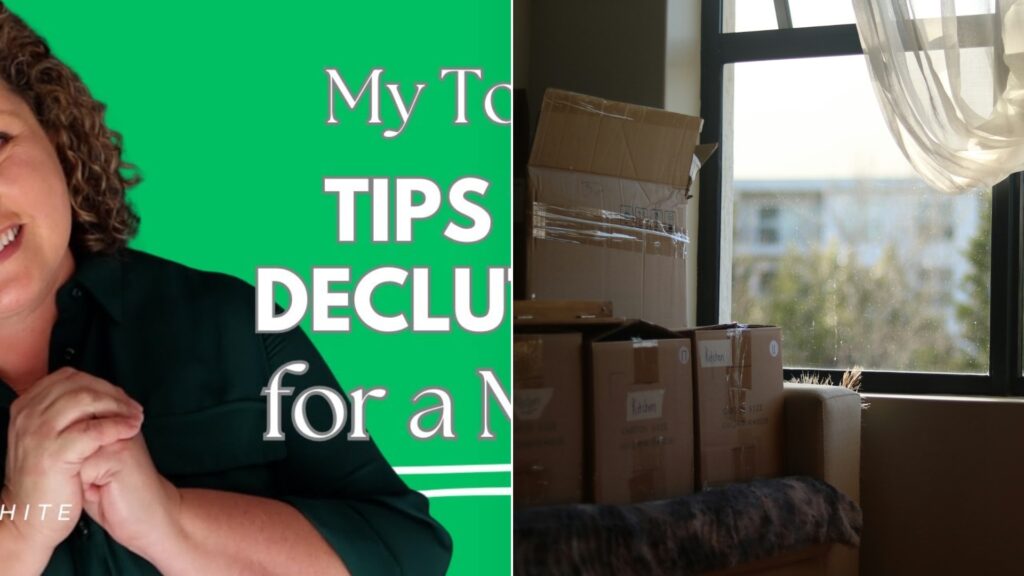
That is the heart of a story shared by Rita Wilkins, who calls herself “the downsizing designer” on a YouTube channel about downsizing and decluttering. Wilkins looked back on a personal downsizing journey and listed what no one tells you, the lessons that would have been helpful to know from the start.
The Emotional Roller Coaster
Wilkins says the daily challenges of downsizing and decluttering were real, and that some of them turned into opportunities. Every day was a chance to learn, grow and get stronger in the resolve to live a simpler life.
The first challenge on the list was the emotional roller coaster: the uncertainty and the fear of the unknown. Anyone who has stood in a basement full of boxes and wondered where to even begin knows that feeling.
Wilkins does not pretend otherwise. Decluttering is stressful and overwhelming, and the video says so plainly. But there is a turning point. When you have the right mindset and a willingness to let go, the process can actually be quite smooth, enjoyable and even fun. Willingness to let go, Wilkins says, is the key.
Why Going It Alone Backfires
The second challenge was trying to do it alone. Wilkins describes an exhausting first month of decluttering, filled with crying, and then a realization: a task this large needs a team.
Here is the part that makes the story so relatable. Wilkins’ sisters and family jumped right in as soon as they were asked. The hard part was that it took a while to realize help needed to be requested in the first place.
Once the team was in place, things changed. Support made it possible to set up a workable plan and a workable schedule that everyone could follow. The work was not all grim, either. Wilkins says there was fun along the way, with laughing, crying and memories made together.
Set Goals, Then Decide Where Things Go
Another lesson is to get specific. Wilkins suggests setting realistic goals and realistic timelines, along with intentions for where you will live and what kind of lifestyle you want.
Then plan where the extra items will end up. They can be donated, repurposed or thrown away. Deciding that ahead of time keeps the piles from turning into a new kind of clutter by the front door.
Ask Why You Shop
The video also goes beyond the physical stuff. Learning to say no, and understanding your relationship to wanting more, is described as important for anyone who wants a simpler life and the contentment of having enough and being enough. Wilkins puts the question out there directly: why do you shop, and what is missing in your life?
The payoff, Wilkins says, was surprising. The realization was how little was actually needed, even though all of that stuff had once seemed like something wanted and needed. Now the quality of life is significantly improved, and the only question is why it was not done sooner. Wilkins says frankly, “I’ve never been happier and I’ve never really looked back.”
The closing thought is that downsizing and decluttering is not just about getting rid of things. It is about living a life aligned with what you value, and about freedom, clarity and simplicity.
Putting These Lessons to Work
You do not have to be moving to a smaller place to borrow these ideas. Here are a few ways to start.
- Ask early. Call a sister, a grown child or a good friend before you are exhausted, not after. People often say yes right away.
- Make a schedule. A few set work sessions that everyone can fit in beat a vague plan to “get to it sometime.”
- Pick a destination for every pile. Donate, repurpose or toss, and decide before you start so nothing lingers.
- Let it be a little fun. Memories come up when you sort old belongings. Make room for the stories.
- Pause before you buy. Ask what you are hoping the purchase will fill.
- Start with one room. A single closet or a single corner is plenty for a first work session, and finishing it builds momentum.
It also helps to remember that asking for help is not a sign that you are failing at the job. In this story, the family jumped in as soon as the request was made. The missing piece was the asking, and once that happened, a tearful solo effort became a shared project with a schedule, some laughs and a lot of memories.
The big takeaway is a gentle one. Stress and tears are normal, but they do not have to be the whole story. Reach out sooner than you think you need to, set a plan together, and keep your eye on what you actually want your life to look like when the work is done.
More Stories You May Like
- Woman Decluttering Her House Before Downsizing Draws a Number From One Bucket and a Room From Another to Decide Exactly What to Throw Away Each Day for Thirty Days
- Five Ruthless Decluttering Tricks That Go Against Everything You Have Heard Are Shared by a Woman Who Used Them to Empty Her Packed Attic
- Declutter a Small Space in Under Ten Minutes with Steps a Stay at Home Mom Uses Every Day