


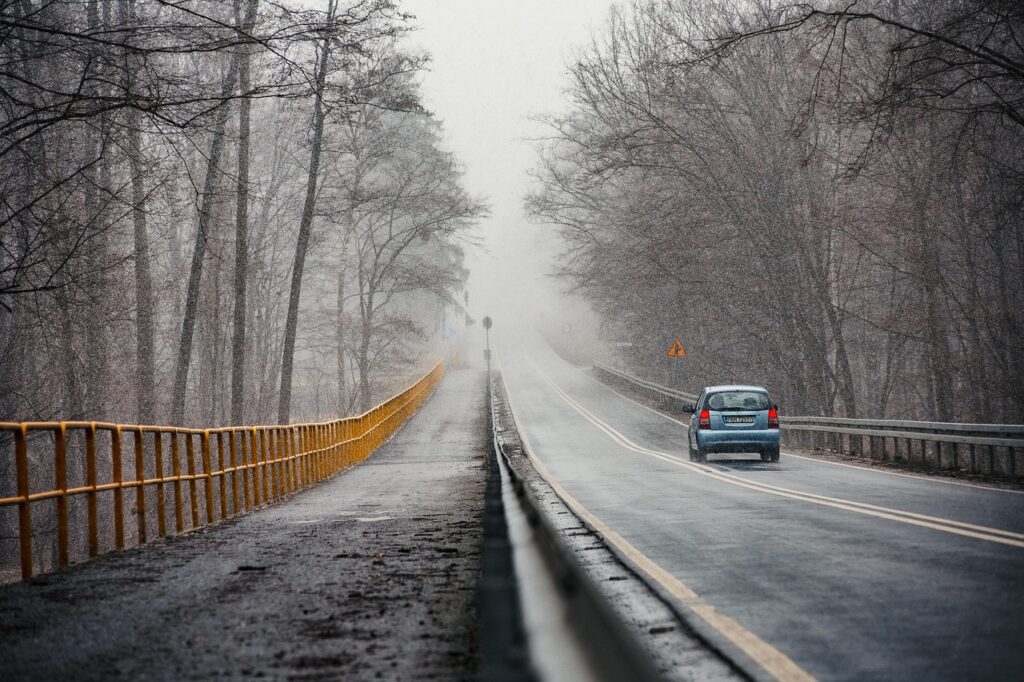
Homeowners across the country are racing to get ready for Winter Storm Fern, and for a lot of people that starts with grabbing a bag of salt. The catch is that the usual pre-salting routine could actually backfire this time, leaving driveways coated in jagged, refrozen ice instead of clean pavement. With a sprawling, high-impact system on the way, the smarter move is to rethink when and how to use salt so cars, delivery vans, and anyone on foot can get in and out safely once the storm passes.
Instead of blindly dumping crystals on the concrete, drivers are being urged to pay attention to the type of storm bearing down, the brutal temperatures in the forecast, and the way salt behaves when it is overwhelmed by sleet and freezing rain. Used right, it is a helpful tool. Used wrong, it can turn a driveway into a rutted skating rink that is harder to clear, tougher on vehicles, and rough on the environment long after Fern moves on.
Fern is not a normal winter storm

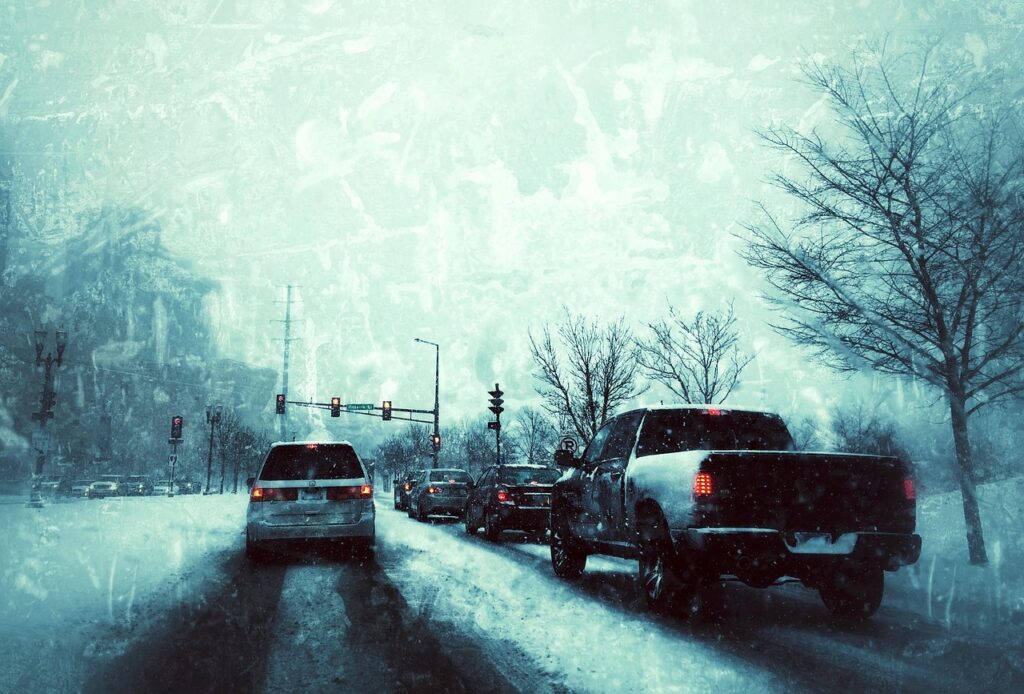
What makes the advice around driveway salt different this time is the scale and character of Winter Storm Fern. Forecasters describe it as a historic, widespread and long lasting system that will plaster parts of the South with destructive ice while also unloading heavy snow from Texas through the Northeast, affecting more than 230 million people across multiple regions of the country. That kind of setup means long stretches of mixed precipitation, from sleet to freezing rain to snow, instead of a quick, fluffy burst that salt can easily handle on a small patch of pavement, and it is why drivers are being told to think twice before treating their own property like a highway.
National outlooks show Fern sweeping across the United States over a weekend window, with South communities bracing for power line damage and tree failures as ice loads up, while northern states prepare for deep snowpack that will linger long after the last flakes. Detailed maps from the Weather Prediction Center break down expected snowfall totals state by state, underscoring how wide the footprint really is. With that much moisture and cold air in play, the usual quick fix of tossing salt on a driveway before the first flakes show up is not just simplistic, it can be counterproductive.
Why pre salting can leave a jagged mess
Under normal conditions, pre salting a driveway can be a smart move, because the crystals help keep the first layer of snow from bonding to the pavement and make shoveling easier. The problem with Fern is that the storm is expected to throw a cocktail of sleet and freezing rain on top of that treated surface, which can melt just enough snow to create slush that later refreezes into sharp ridges and uneven chunks. That is the “jagged mess of ice” experts are warning about, the kind that catches boot soles, trips kids carrying backpacks, and makes it harder for a sedan or SUV to get traction when pulling out in the morning.
Guidance aimed at Drivers stresses that while pre salting may work well for everyday snowstorms, Winter Storm Fern is far from typical, because the sheer volume and variety of precipitation can overwhelm what is on the ground. One detailed warning notes that Pre salting can backfire when the storm layers ice on top of partially melted snow, locking in rough, frozen ruts that are tougher to chip away later. That is why the message this time is to hold off on the reflexive early dump and focus on timing instead.
Salt has a temperature limit
Another reason the usual routine is under scrutiny is simple chemistry. Rock salt works by lowering the freezing point of water, but only down to a certain temperature, and Fern is arriving in the middle of a brutal cold snap. In parts of the country, air readings are expected to plunge so low that the salt on a driveway will just sit there, undissolved, while snow and sleet pile up on top of it, leaving homeowners with wasted product and a false sense of security about how slick their pavement really is.
One national explainer notes that Around 106 m people are under alerts for extremely cold temperatures as Fern moves in, and that in those conditions rock salt can stop working altogether. That is why some municipalities are blending in additives or switching to different treatments, while homeowners are being told that if the thermometer is bottoming out, their best bet is to focus on physical removal like shoveling or plowing before worrying about any kind of deicer.
Experts say timing is everything
For people who are used to tossing salt down as soon as they see a snowflake emoji in their weather app, the new guidance can feel counterintuitive. Consumer advice pieces point out that Your default may be to turn to salt, not from the kitchen, but from a bag of pavement product in the garage, even though it is not always the first or best line of defense. One expert quoted in that guidance notes that using salt as a substitute for shoveling or plowing is a mistake, because it is meant to loosen ice and snow, not replace the hard work of getting it off the surface in the first place.
Other specialists, including Longley, suggest that when snow or ice is in the forecast and temperatures are in the right range, the ideal moment to apply salt is just before the precipitation starts or as it begins, then again after shoveling as temperatures drop after sunset. A separate breakdown aimed at homeowners notes that if you use too much, you can end up with leftover chunks and residue, and that Experts recommend about a handful per square yard instead of a thick layer. The bottom line is that timing and moderation matter more than the instinct to carpet the driveway hours before the first band of Fern arrives.
Why roads get salt but driveways should not
One of the most common questions drivers have as they watch plow trucks roll by is why public crews are salting the roads while homeowners are being told to keep their own bags closed. The answer comes down to scale, traffic volume, and the way vehicles grind salt into the surface of a busy highway, which helps it work faster and more evenly than it ever will on a quiet residential driveway. On a major route, the goal is to keep lanes passable during the storm itself, even if that means using more material than any individual homeowner would ever spread on their own.
Local explainers acknowledge that this can be confusing, asking Then why crews are salting the roads while also offering Advice not to do the same thing at home when temperatures are so low that salt stops being effective at all. Municipal crews also have access to brine solutions and treated salts that work at lower temperatures than the basic rock salt sold in big box stores, and they are making those decisions with traffic engineers and meteorologists, not just a quick glance at a phone forecast. For a homeowner, the smarter play is to let the city handle the main arteries and focus on shoveling, traction aids, and carefully timed light applications instead of trying to mimic highway operations on a two car pad.
Real world driveway lessons from cold weather veterans
People who have been dealing with serious winter for years are already swapping tips with those in newly affected regions, especially as Fern pushes dangerous ice and snow into places that are more used to rain. In one widely shared exchange, a user from Texas asked how to handle salting a driveway in unfamiliar conditions, and a veteran from St. Louis stepped in with a simple rule of thumb. Their advice was to wait until after the snow is removed, because if you salt first, the first precipitation to hit the crystals will melt, then refreeze into a slick layer under the rest of the accumulation.
The same thread, highlighted in a Bonus tip, suggested putting a tarp or other covering on a windshield before the storm to make cleanup easier, a small example of how practical hacks can sometimes beat overreliance on chemicals. Another long running discussion in a New England community, preserved in a Comments Section, features a user named Searchlights saying they salt After they remove the snow, because Otherwise the first moisture melts and refreezes. Those lived in lessons line up neatly with what meteorologists and safety experts are saying about Fern.
Environmental and long term damage from over salting
Even in a storm as serious as Fern, there is a growing recognition that more salt is not always better. Environmental groups have been warning for years that heavy use of road salt can seep into soil and waterways, altering the chemistry of local ecosystems. When salt changes the pH level of soil and water, it can stress or kill plants, fish, and other organisms that are not built to handle that kind of shift, and those impacts do not disappear when the last snowbank melts in April.
One detailed analysis notes that Salt can alter the pH level of soil and water, and that when pH levels are not properly balanced, it can affect living organisms, a point underscored by The Fores preserve advocates. They also remind homeowners that while ice buildup presents real safety concerns, there is a balance to strike between staying upright on the walk and dumping so much material that spring runoff carries a chemical load into nearby creeks. For drivers, that means using salt as a targeted tool, not a blanket solution, and considering sand or kitty litter for traction in especially icy spots.
Fern’s broader disruption shows what is at stake
The warnings about driveway salt might sound like a small detail, but they sit inside a much bigger picture of disruption as Fern barrels across the country. Meteorologists have been telling Americans to brace for Winter Storm Fern, warning of up to 20 inches of snow, sleet, and freezing rain in some areas and the potential for serious damage to power lines and trees. A similar alert shared by Meteorologists emphasizes that the combination of heavy snow and ice could knock out electricity for extended periods, leaving families without heat just as temperatures plunge.
Travel is already taking a hit, with Here thousands of flights cancelled as Winter Storm Fern moves across the United States and airlines like Delta Air Lines preemptively scrubbing routes to keep passengers from getting stranded. Broader coverage notes that When the potentially historic winter storm is expected to sweep across the country, it will bring bands of snow and freezing rain that could leave some communities completely crippled by ice. Another national report warns that 30 states have been told to brace for the coldest winter storm EVER, with EST forecasts mentioning -50F wind chills and 24 inches of snow in some locations. Against that backdrop, a poorly managed driveway is not just an annoyance, it is one more hazard in a week already full of them.
How to prep your driveway the smart way
So what should drivers actually do as Fern closes in, if blanketing the driveway in salt is off the table? The first step is basic housekeeping: move vehicles, trash cans, and kids’ gear so the full surface is clear, and make sure shovels or a snow blower are ready to go. Once the storm starts, the priority is to remove accumulations in manageable layers during natural lulls, instead of waiting for a foot of compacted snow and ice to settle in overnight, which is when jagged refrozen slabs become a real problem for tires and ankles.
More from Decluttering Mom: