



A viral video from a self-described dumpster diver has ignited anger over how Old Navy handles unsold clothing, with viewers accusing the retailer of deliberately slicing garments before throwing them away. The clip, shared by a creator who goes by Dumpster Dive King, shows bags of apparel pulled from a Dumpster behind an Old Navy store and alleges that employees slashed items to keep anyone from wearing them. The footage has tapped into growing frustration with fashion waste and raised fresh questions about why usable clothes are ending up in the trash at all.
At the center of the uproar is a simple claim: instead of donating or discounting leftover stock, Old Navy is destroying it. That allegation, paired with images of cut-up shirts and pants, has fueled calls for clearer corporate policies on unsold merchandise and for stronger rules around what retailers can legally discard. It has also thrust a niche subculture, the dumpster divers who quietly monitor retail trash, into a broader debate about ethics, legality, and the environmental cost of fast fashion.
Inside the Dumpster: a viral accusation and a pattern of waste

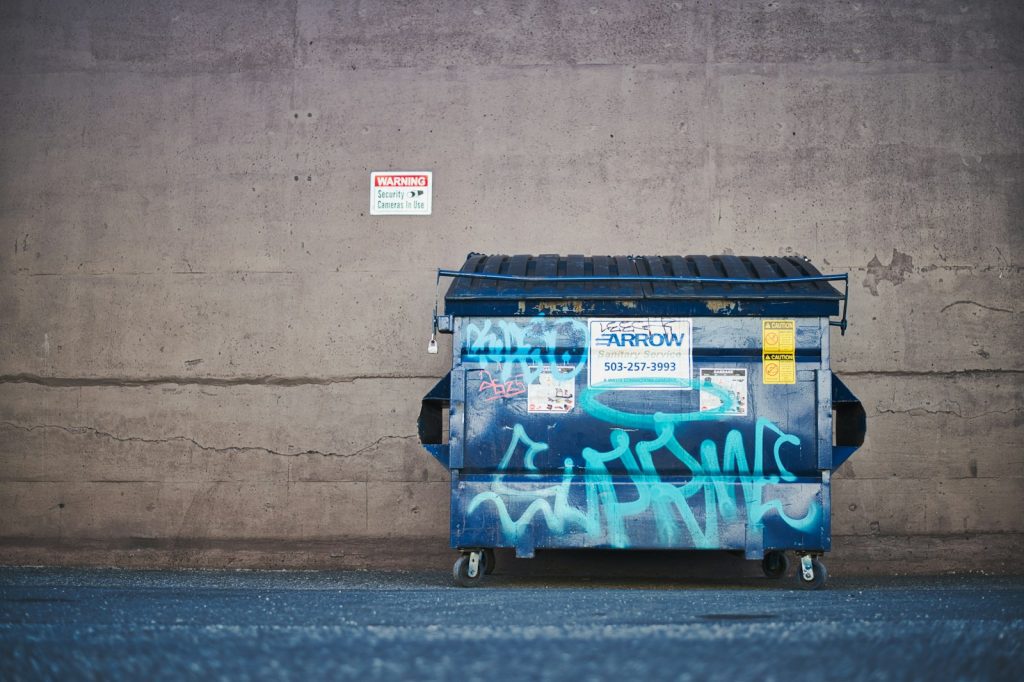
The latest controversy began with a video in which a TikTok user known as Dumpster Dive King films a haul from a Dumpster behind an Old Navy store and reacts in disbelief at what he says he found. In the clip, he claims that Old Navy employees had taken scissors to stacks of clothing before tossing them, leaving visible cuts that would make the garments unwearable. Earlier coverage of the same incident describes how the diver, identified as Dumpster Dive King, told viewers he was “shocked” by the volume of discarded apparel and the apparent effort to ruin it. The clip fits into a broader wave of social posts in which creators document what they find in retail trash, often framing it as evidence of systemic waste.
Another account of the same discovery invites readers to “Imagine this” moment of walking past a store and peeking into a Dumpster only to see piles of clothing that look new, then realizing that many pieces have been deliberately damaged. That description underscores how the video resonated with people who rarely think about what happens to unsold stock once it disappears from the sales floor. The report names Old Navy directly and highlights the shock of seeing recognizable brands in the trash, reinforcing the sense that the retailer’s back-of-house practices are at odds with its public image. In that telling, the Dumpster itself becomes a symbol of a throwaway culture that treats clothing as disposable even when it could still be worn.
From one Old Navy bin to a wider fast-fashion backlash
The outrage did not stay confined to a single TikTok. A separate write-up of the same incident, again focusing on a Dumpster behind an Old Navy store, connects the discovery to a larger concern about textile waste and asks why so many clothes are being destroyed instead of reused. That piece explicitly flags why textile waste is concerning, pointing to the environmental footprint of producing garments that never reach a closet. It notes that the shock of seeing a Dumpster full of branded apparel has prompted viewers to question whether Old Navy has any companywide policies on unsold merchandise and whether those policies prioritize destruction over donation. The framing suggests that the video has become a proxy for a broader critique of fast-fashion business models.
Other reporting has amplified that reaction by quoting viewers who accused the retailer of “manufacturing scarcity” and called the practice “trash” behavior. One entertainment-focused piece, which references the viral clip in passing, notes that social media users told Old Navy “You’re trash for this” after seeing the slashed items and that Now people are debating whether brands intentionally destroy goods to keep prices high. That conversation has spilled into Reddit threads and comment sections where users trade stories about similar practices at other chains, turning one Dumpster behind one store into a lightning rod for criticism of the entire sector.
Legal gray areas, environmental stakes, and calls for change
Part of what makes the Old Navy video so combustible is that it collides with a legal landscape that gives retailers wide latitude over what they do with unsold stock. One sustainability-focused explainer notes that While dumpster diving is technically legal in all 50 states in the United States, companies still treat everything in their bins as property and often try to deter scavengers. A Reddit discussion about Old Navy’s trash practices echoes that view, with one commenter insisting that Everything in those dumpsters belongs to the company and that employees can be disciplined if they let it leave. That tension between legal ownership and public disgust helps explain why videos of slashed clothes feel so incendiary: viewers see waste, while corporations see inventory control.
More from Decluttering Mom: