

You probably stash eggs in the fridge door out of convenience, but that habit shortens their life and harms egg quality. Keep whole eggs in their original carton and place them in the coldest part of the refrigerator — not the door — to keep them fresher and safer longer.
This simple swap protects eggs from temperature swings, prevents odor absorption, and reduces the risk of cracks that speed spoilage. The rest of the article explains practical kitchen steps for storing eggs, how to check freshness, and options for longer-term preservation so your supply stays usable and your health risks stay low.

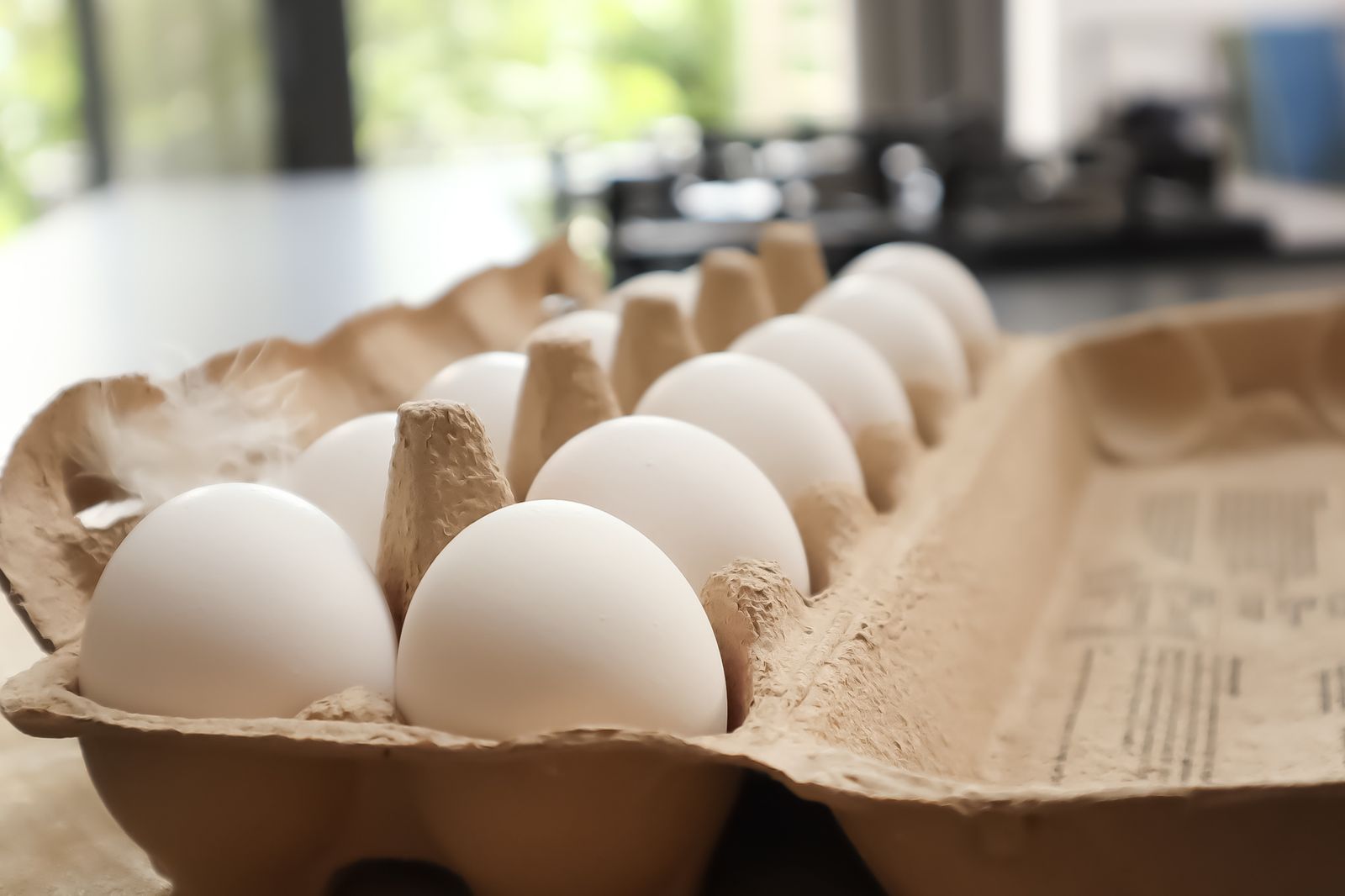
Best Practices for Storing Eggs and Maximizing Freshness
Keep eggs cold, dry, and protected from strong odors. Store them where temperature stays steady, keep them in the original carton, and handle washed eggs differently than unwashed store eggs.
How Refrigeration Impacts Egg Longevity
Refrigeration slows bacterial growth and preserves egg quality by keeping the white and yolk firmer for longer. At 40°F (4°C) or below, eggs typically remain at peak quality for about 3–5 weeks after purchase; warmer temperatures shorten that window.
Temperature swings drive condensation on shells, which can help bacteria cross the shell’s pores. Avoid leaving eggs on the counter after refrigeration; bring only the number you’ll use within two hours to room temperature. For long storage, keep fridge temperature steady and check it with a thermometer.
Why the Storage Location in Your Fridge Matters
Place the carton on a middle or lower shelf where the temperature is most constant. The refrigerator door exposes eggs to frequent temperature changes from opening and closing; those swings accelerate moisture loss and quality decline.
Keep eggs away from strong-smelling foods to prevent odor transfer through the porous shell. If you use the back of a middle shelf, you’ll benefit from minimal airflow and fewer temperature fluctuations. Avoid stacking heavy items on top of the carton to prevent cracks.
The Importance of Using the Original Carton
The original carton protects eggs from light, odors, and physical damage while keeping them pointy-end down to preserve the yolk’s position. Cartons also display packing dates and sell-by information, which helps you track freshness.
Labels often include handling guidance specific to the eggs you bought. Moving eggs into a bowl or tray increases risk of cracks and odor absorption. If you must transfer eggs, use a clean, covered container and mark the date you stored them.
Differences Between Store-Bought and Washed Eggs
Store-bought eggs in the U.S. are washed and refrigerated before sale; that washing removes the natural protective bloom and requires consistent cold storage to prevent contamination. Washed eggs should stay refrigerated from purchase through use.
Farm-fresh, unwashed eggs retain the bloom that helps block bacteria and can be stored at room temperature short-term if kept cool and dry. If you wash farm eggs, refrigerate them afterward and use within the same timelines as commercial eggs. For more on handling and storage recommendations for different egg types, see guidance on how to store farm fresh eggs.
Long-Term Egg Preservation Techniques for Home and Beyond
You can extend the usable life of eggs by choosing methods that match your storage goals, equipment, and how you plan to use the eggs later. Below are practical, step-by-step options that work at home or on a small farm.
Freezing Eggs the Right Way
Freeze raw eggs only after you break them; never freeze whole eggs in the shell or the shell will crack. Crack eggs into a bowl, whisk yolks and whites together until uniform, then portion into ice cube trays or freezer-safe containers. Label containers with date and number of eggs per portion.
For recipes, thaw frozen egg portions in the refrigerator overnight. Add a pinch of salt if you will use the eggs for savory dishes, or a teaspoon of sugar per cup if for baking, to reduce yolk gelation. Frozen whole-egg mixes keep about 9–12 months at 0°F (-18°C). For egg whites or yolks stored separately, follow the same handling and labeling rules.
Preserving Eggs with Mineral Oil Coating
Coating shells with food-grade mineral oil seals pores and slows moisture loss, so you can store unwashed eggs at cool room temperatures or in a refrigerator for months. Work with eggs soon after laying; wash only if you will refrigerate and then recoat. Apply about one tablespoon of mineral oil per dozen eggs by spraying or lightly rubbing each shell.
Store oiled eggs pointed-end down in cartons to preserve the air cell position. Check humidity and temperature: a cool, dark pantry at 50–60°F (10–15°C) works for short-term; refrigeration plus oil gives extra margin. Avoid vegetable oils; they can oxidize and transfer odors.
Exploring Water Glassing and Pickling Methods
Water glassing uses a solution of food-grade pickling lime (calcium hydroxide) or sodium silicate to seal pores and legally store raw, unwashed eggs at room temperature for months. Mix water glass per manufacturer instructions, immerse clean, uncracked eggs fully, and keep the container covered in a cool, dark place. Test one egg before wide use.
Pickled eggs are fully cooked, peeled, and stored in vinegar-based brines with spices. They keep for several months in the refrigerator and are ready-to-eat. Use sterilized jars and keep eggs submerged in brine. Label jars with date and ingredients so you know acidity and flavor profiles for later use.
Learn more about traditional non-refrigeration approaches in this practical guide to water glassing eggs for long-term storage.
Dehydrating and Other Storage Innovations
Dehydrating turns eggs into shelf-stable powder for long-term storage without a cold chain. Commercially, spray drying and roller drying produce powdered whole egg, yolk, or white; at home, you can cook, blend, and oven-dry thin layers to make a rough powder—then grind and store with oxygen absorbers in a cool, dark place.
Powdered eggs reconstitute at about 1 part powder to 2 parts water for most recipes, and they work best in baking and cooked dishes rather than in recipes requiring raw foaming. Other innovations include thermostabilization (brief heating to form an internal protein barrier) and vacuum impregnation with oil for industrial sealing; these techniques inform small-scale choices like combining oil coating with refrigeration to lower spoilage risk.