

You can turn a kitchen scrap into real garden value without spending extra cash. Crushed or powdered eggshells add calcium to soil, support strong fruit and flower development, and boost compost over time—small effort, measurable gains.
Saving and preparing eggshells properly gives your garden a low-cost, effective way to add calcium and improve soil structure.
You’ll learn when eggshells help most, how to make their nutrients available faster, and creative uses that go beyond simply tossing shells in the soil.

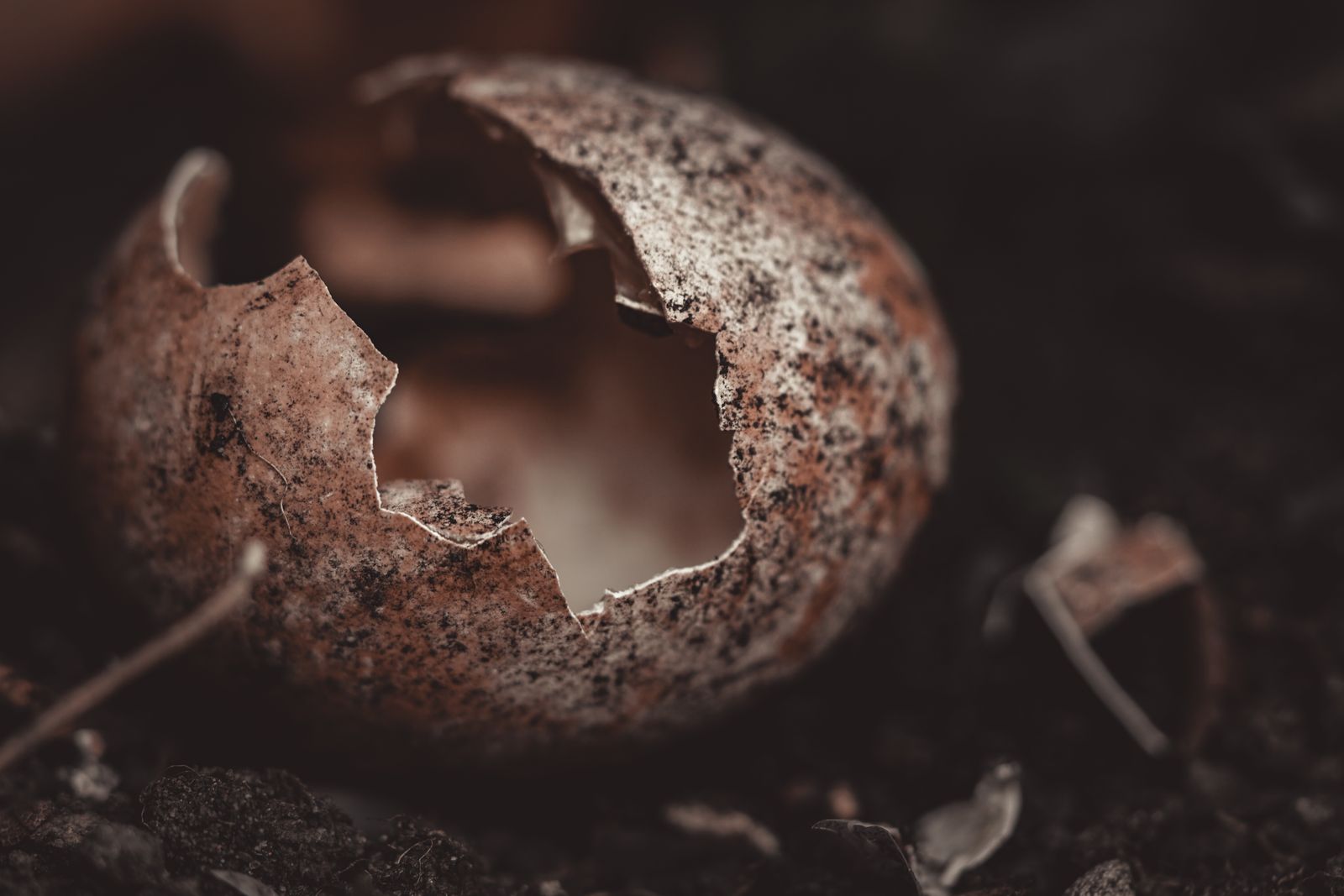
How Eggshells Improve Soil Health and Plant Growth
Eggshells add usable calcium and small amounts of other minerals, amend soil texture, and can slightly raise pH over time. When prepared and applied correctly they act as a slow-release soil amendment that supports strong cell walls, improved drainage, and healthier roots.
Natural Calcium Source for Stronger Plants
Eggshells are mostly calcium carbonate, the same compound used in agricultural lime. When you grind shells into a fine powder, the surface area increases and the calcium carbonate becomes more available to plants and soil microbes. This calcium helps plants form stronger cell walls, reducing risks like blossom-end rot in tomatoes and peppers.
If you prefer a quicker extract, steep crushed shells in hot water overnight to make a calcium-rich “tea” you can water into the root zone. Remember that whole or large pieces break down very slowly; powdered shells integrate faster. Use this method for crops that show calcium deficiency first.
Trace Minerals and Nutrient Balance
Beyond calcium, eggshells carry small amounts of magnesium, potassium, phosphorus, and trace minerals such as iron, zinc, copper, and manganese. These nutrients are not abundant, but they complement compost and balanced fertilizers by adding micronutrients many soils lack.
Add crushed eggshells to compost or worm bins to let microbes and worms incorporate the minerals gradually. Mixing eggshell powder with compost improves the overall nutrient balance and reduces the need for synthetic micronutrient supplements on marginal soils.
Soil Structure, Drainage, and pH Moderation
Crushed eggshells improve soil structure by adding grit that increases porosity in heavy soils. When mixed into clay, they help break up compacted clods, improving drainage and oxygen flow to roots. In sandy soils, eggshell particles help retain some moisture while still aiding drainage.
Calcium carbonate in shells slightly reduces soil acidity over time, which can benefit plants that prefer neutral to mildly alkaline conditions. Don’t expect rapid pH swings; eggshells act slowly. Test your soil pH before heavy use, because adding large quantities to already alkaline soil can push pH too high for acid-loving plants.
Best Practices for Preparing and Applying Eggshells
Rinse shells to remove membranes and let them dry to limit odor and pests. For fastest benefit, grind shells into a fine eggshell powder with a blender, coffee grinder, or mortar and pestle. Aim for a powder fine enough to slip into soil pores; coarse bits break down much slower.
Application options:
- Sprinkle 1–2 tablespoons of powder around each plant and lightly work it into the topsoil.
- Stir powder into potting mix at roughly 5–10% by volume for container plants.
- Add crushed shells to your compost pile or worm bin so microbes release minerals over months.
- Make eggshell tea by boiling shells, steeping overnight, then using the strained water as a calcium feed every 2–4 weeks.
Avoid relying on eggshells as your only calcium source for severely deficient soils; pair them with soil testing, targeted fertilizers, or lime where quick correction is needed.
Creative Ways to Use Eggshells for a Thriving Garden
Eggshells offer low-cost calcium, add structure to potting mixes, help deter soft-bodied pests, and improve compost when prepared correctly. Use them as seed starters, crushed barriers, compost additives, or brewed into a mild liquid feed for calcium-hungry crops.
Eggshells as Seed Starters and Transplant Helpers
Use halved eggshells as biodegradable seed starters to cut transplant shock and avoid plastic pots. Rinse shells, poke a small drainage hole, fill with seed mix, and plant seedlings directly into the soil when roots appear; the shell breaks down and supplies calcium to seedlings of tomatoes, peppers, and brassicas.
For faster calcium availability, dry and grind shells into a fine powder and lightly mix into seed-starting mix or dust around the stem base at transplanting. This helps seedlings of lettuce, spinach, kale, broccoli, and cauliflower access calcium without risking fertilizer burn.
Keep eggshell starters in an egg carton for stability and water from below to prevent soggy soil and damping-off. Label each shell so you know which variety is which.
Pest Control: Deterring Slugs, Snails, and More
Crushed eggshells create a physical barrier that discourages slugs and snails from reaching tender greens like lettuce, spinach, and young brassicas. Use coarsely crushed shells rather than powder and lay a 2–3 inch band around individual plants or beds; refresh after heavy rain.
Eggshells won’t stop deer, rabbits, or insects with hard exoskeletons, so combine shells with other tactics: hand-pick slugs in the evening, set beer traps, or use copper tape for high-value plants like strawberries and beans. Birds and beneficial insects are unaffected, so eggshell barriers stay wildlife-friendly.
Compost Enrichment and Organic Mulch
Add crushed eggshells to your compost to raise calcium levels and balance acidity from coffee grounds or pine needles. Rinse and crush shells before composting so microbes access minerals faster; fine grinding speeds decomposition significantly.
Use a handful of powdered shells in potting mixes or work coarser pieces into the topsoil as an organic mulch around potatoes, beans, peas, and blueberries. The shells improve drainage and soil structure over time while feeding soil microbes that support nutrient cycling.
Supporting Vegetable and Leafy Green Success
Eggshell calcium helps prevent blossom end rot in tomatoes, peppers, and eggplant when soil calcium is a limiting factor. For targeted help, brew an eggshell tea: steep crushed, cleaned shells in water 24–48 hours, strain, and use to water plants at fruit set. Repeat every 2–3 weeks during early fruit development.
Leafy greens such as kale, collards, and spinach benefit from gradual calcium and improved soil structure; mix powdered shell into planting holes for broccoli, cabbage, and cauliflower to support sturdy head formation. Test soil if you suspect a major deficiency; eggshells work best as a steady, long-term supplement rather than a rapid corrective measure.