


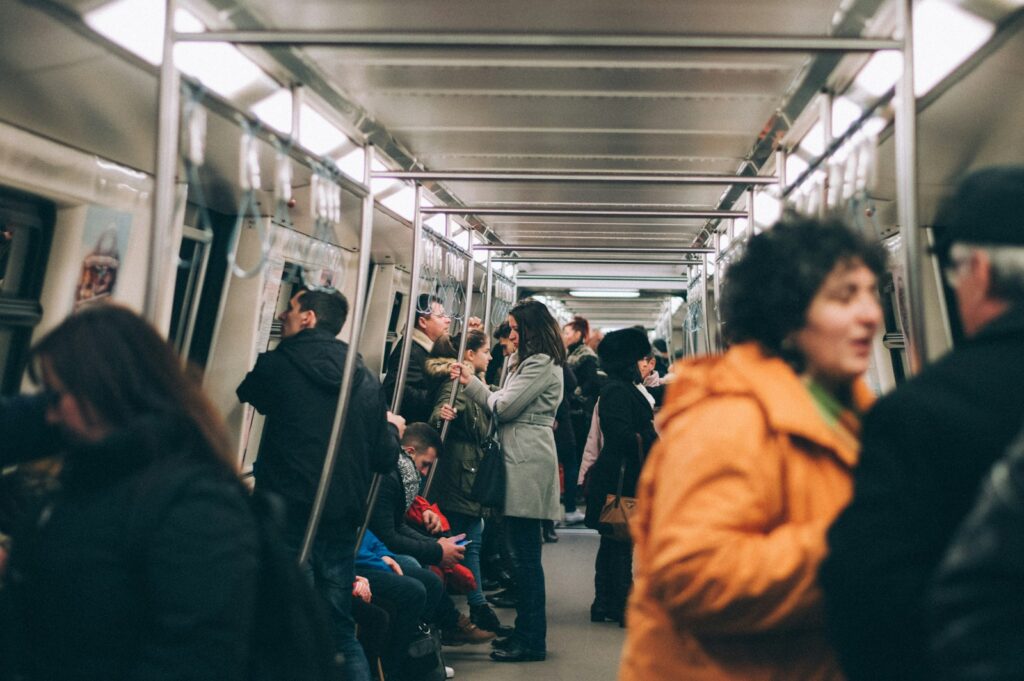
This morning, a scene unfolded on the train that left onlookers with mixed feelings. An elderly man approached a young passenger, waving a yellow assistance card while demanding a seat. His tone quickly escalated when the young man didn’t respond, prompting a loud and vulgar tirade from the older man. It was uncomfortable and oddly fascinating to witness a generational clash in such a public space.
The young man, likely part of Gen Z, seemed unfazed by the raised voices and instead flashed his own yellow card back at the old man, effectively turning the situation around. This led to an unusual moment of stand-off, showcasing how entitlement can manifest differently across generations. In the end, it appeared that the passenger in the priority seat was the one who ultimately gave up his spot for another elderly individual. The entire scene felt like a bizarre social experiment on respect and generational expectations.

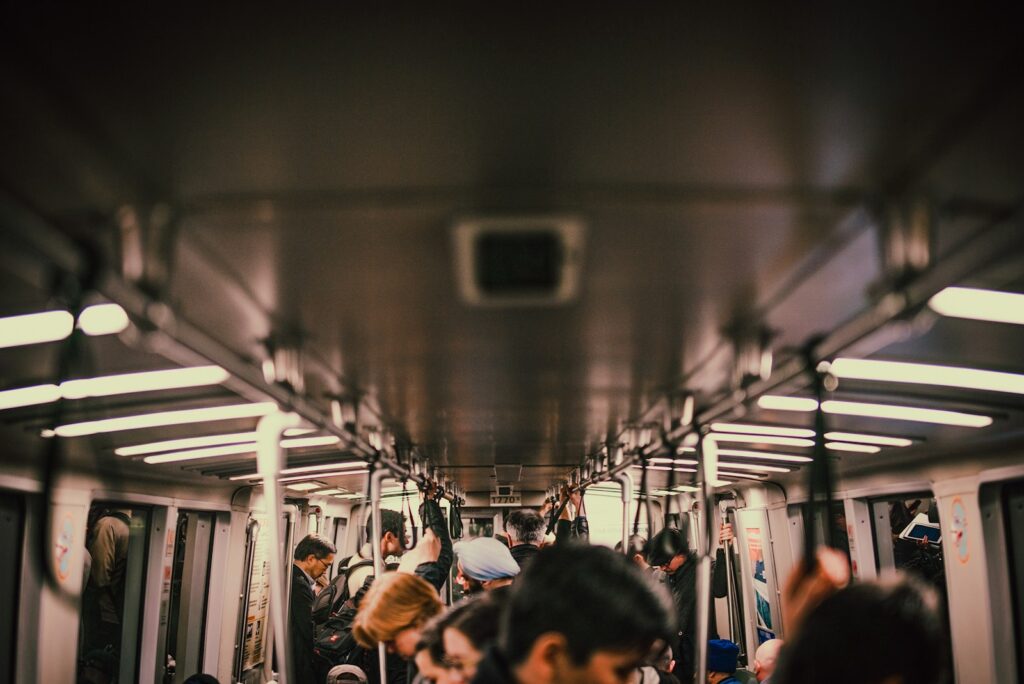
As others watched, the young man later gave up his seat to someone who politely asked for it. It contrasted sharply with the earlier confrontation. The old man, however, continued to berate the young man even after he had done the courteous thing. This moment caught the attention of fellow riders, who were now left to consider whether being older automatically entitled one to special treatment.
One observer commented that there’s a significant difference between asking for a seat and demanding it. Just because someone is older doesn’t inherently grant them rights over younger passengers. The law doesn’t mandate that individuals must give up their seats, leaving room for interpretation and personal choice in these social situations.
Some users offered thoughts on the role of public transportation design. Many suggested that a redesign of train layouts or increased frequency of services could alleviate these tensions. With more seats available, the issue of who deserves a place to sit might not be as contentious. It’s hard to ignore the nuances of how society prioritizes needs based on age, yet age alone doesn’t equate to necessity or entitlement.
Others chimed in with observations about the financial implications of this conflict. The older man presumably paid a discounted fare for seniors, while the young passenger was likely paying a higher adult fare and working hard to manage their finances. This suggested a complex layering of social expectations and economic realities that rarely gets addressed in conversations about politeness and respect on public transport.
People had very different reactions to the incident. Some supported the young man, seeing his response as justified. They argued that respect should be mutual rather than one-sided based solely on age. Meanwhile, others expressed frustration over the old man’s demand, mentioning how it reflected a broader trend of entitlement that can exist in any generation.
This brief encounter quickly morphed into a drama that seemed oddly familiar to many riders. It was not just about a seat on a crowded train but a window into how people navigate daily life with differing expectations based on age. It raised an unresolved question: should age automatically warrant a certain level of respect or entitlement in shared spaces like public transport? As the train continued on its route, the discussion lingered in the minds of those who witnessed this clash, a reminder of the complexities of generational interactions.
More from Decluttering Mom: