


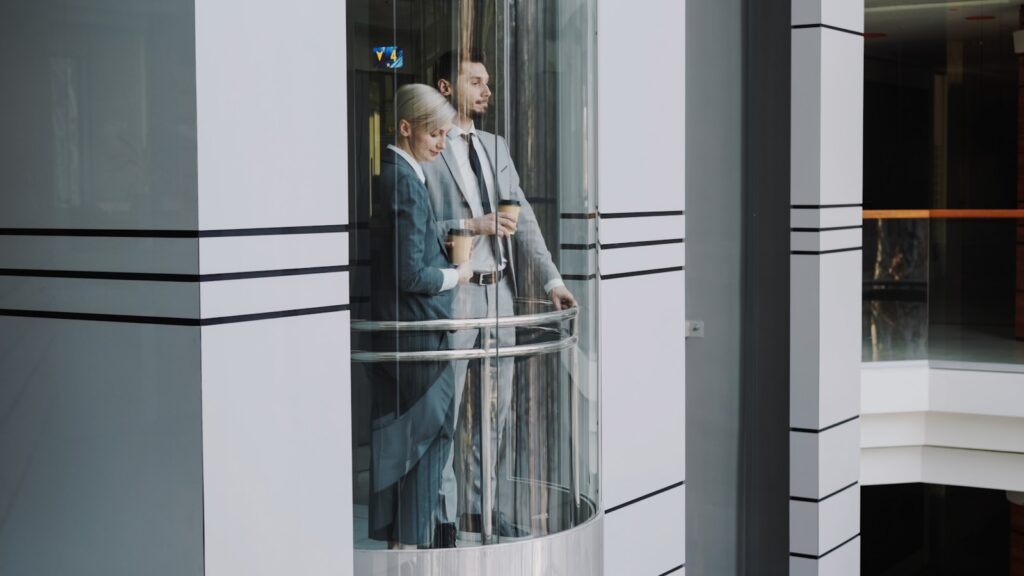
It’s a scenario that plays out in office buildings and apartment complexes alike: someone hustle-sprinting toward an elevator, bags swinging, shoes clattering on the floor. As the doors inch closer together, an observer inside stands frozen, making eye contact with the runner. And then, just like that, the doors shut, cutting off any chance of connection. One user recounted how they became the person who let those doors close, and it turned out to weigh heavily on their mind.
The Reddit user described a moment that many may brush off, but it’s one that stings. For a fleeting second, there’s a shared understanding. The runner is desperate to make it to the elevator, while the person inside has the power to hold the doors. Instead of holding the doors, they opted for inaction, leaving the sprinting stranger on the other side. That brief encounter lingers in the mind long after the elevator has whisked the observer away.

This moment sparked an intriguing discussion online, with people chiming in with their perspectives. Some thought it was a simple case of not wanting to be late to an appointment or meeting. Others pointed out that, sometimes, people just disengage when faced with those situations, making the decision to ignore what’s unfolding. The mix of reactions offered a glimpse into how different individuals perceive responsibility in shared spaces.
One commenter suggested that letting the doors close might be a reflection of a larger issue in society—the tendency to prioritize personal convenience over mutual aid. The argument was that in a world where everyone seems rushed, it’s easy to overlook the plight of someone else. Another user disagreed, asserting that it could simply be a matter of self-preservation; they wouldn’t want to risk getting stuck in the elevator for one person. The tension between these perspectives hints at a deeper societal dilemma.
As the conversation progressed, a few shared their own experiences. One person recalled having just missed an elevator and seeing the doors close right in front of them, feeling a mix of frustration and defeat. Others detailed times they did hold the doors only to be met with an awkward thank you or even indifference. The variety of responses painted a picture of how common—and yet personal—these interactions can be.
Throughout the discussion, the original poster admitted that the act of letting those doors shut still haunts them. The regret of doing nothing in that moment can gnaw at a person, leading to questions of morality and empathy. How often are people in similar situations, standing by in silence as someone cries out for help or extends a hand for assistance? The elevator doors shutting become a metaphor for missed opportunities, whether they’re small moments of kindness or larger chances to connect.
Amid the mix of comments, some found humor in the post. They made light of the entire experience, suggesting that maybe the observer had learned a valuable lesson: always keep an eye on the elevator clock and don’t hesitate to pull the emergency stop if the doors seem too eager to close. Laughter softened the sharp edges of the initial post, a reminder that while the situation was serious, it also had a light-hearted side to it.
Overall, the Reddit thread revealed a broad spectrum of human behavior and the complexities of social interactions. Many expressed that there’s an almost instinctive choice to look away or remain passive in situations that call for action. The conversation raised questions about individual responsibility, social norms, and how comfortable people feel intervening in the lives of strangers.
As others continued sharing their thoughts, it became clear that the original encounter stirred something more profound than one might expect from a simple elevator ride. It was a reminder of the connections—however fleeting—that people can forge, or fail to forge, in everyday life. In a city filled with faces rushing by, how often do people risk a moment of their time to help someone else?
More from Decluttering Mom: