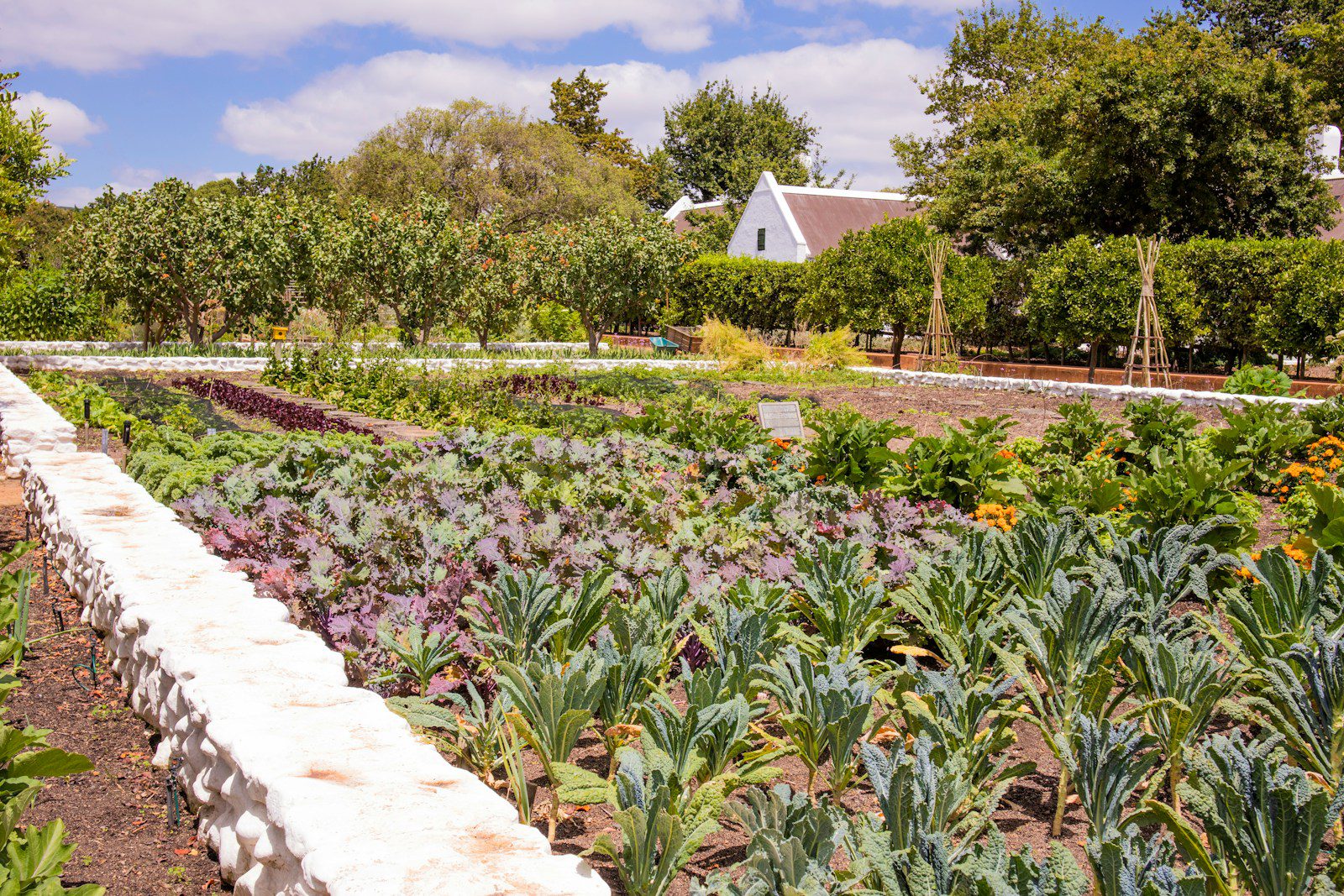
Right now, in yards across the country, vegetable beds that produced tomatoes and peppers all summer are sitting empty, exposed to rain, wind, and months of nothing. That bare soil isn’t resting. It’s eroding, compacting, and losing the nutrients your plants spent all season pulling out of it. Horticulturists at Iowa State University Extension and Outreach say there’s a fix that costs less than a fast-food meal and takes about twenty minutes to put in the ground: a packet of cover crop seed, sown now, before the first hard frost.

What a Cover Crop Actually Does
A cover crop isn’t something you eat. It’s a plant grown specifically to protect and rebuild soil while a bed would otherwise sit fallow. According to the USDA’s cover crop guidance, these plants control erosion, suppress weeds, reduce soil compaction, and increase both the moisture and nutrient content of the soil beneath them. Instead of bare dirt taking a beating from winter rain and freeze-thaw cycles, you get a living root system holding everything together until spring.
Why Iowa State Built a Guide Just for Home Gardeners
Cover cropping has been standard practice on farms for decades, but the advice was written for people managing acres, not a 4-by-8 raised bed. Aaron Steil, ISU Extension’s consumer horticulture specialist, and Ajay Nair, chair of the university’s horticulture department, put together a guide aimed specifically at backyard growers. Steil said the goal was a resource that “answers practical questions about timing, species selection, management and where to find seed,” the exact gaps that leave most home gardeners skipping the practice entirely, not because they don’t want healthier soil, but because the existing information didn’t apply to their scale.
The Legume Advantage: Free Nitrogen
Some cover crops do more than protect soil: they actively feed it. Legumes like crimson clover, hairy vetch, and Austrian winter pea pull nitrogen out of the atmosphere and fix it in the soil, according to USDA. That’s nitrogen your tomatoes and squash will use next season without you buying a bag of fertilizer for it. It’s essentially a free input, generated by a plant that costs a few dollars a packet, doing work that would otherwise come out of your wallet every spring.
Grasses for Erosion, Radishes for Compaction
Different cover crops solve different problems. Annual ryegrass, winter cereal rye, and oats build organic matter and hold soil in place against wind and rain. Forage radish and forage turnip take a more physical approach: their long taproots punch through compacted layers that have built up under years of foot traffic and tilling, breaking up dense soil that would otherwise resist root growth come spring. If your beds have gotten harder to dig into over the years, a radish-based cover crop is doing literal manual labor your back doesn’t have to.
The Beginner Shortcut: Winter-Kill Species
The one detail that makes this genuinely low-effort rather than another chore is the option to choose “winter-kill” species — plants that die naturally once temperatures drop far enough, leaving a protective mat of dead plant matter on the soil surface without any digging or tilling required in spring. You scatter the seed now, it grows for a few weeks, the cold kills it off, and you plant into the residue next season with no additional work. For gardeners not ready to learn termination techniques for cover crops that survive winter, this is the entry point.
Timing: Don’t Wait Much Longer
Cover crops need enough warmth and daylight left in the season to establish roots before winter fully sets in, which is why late summer through early-to-mid fall is the window most extension offices recommend, depending on your USDA hardiness zone. Sow too late and the seed either fails to germinate or doesn’t develop enough root structure to do its job. If your last vegetables are already out of the ground, this is close to the last practical window for the year.
Where to Find Seed
Cover crop seed sold in farm-scale quantities can be overkill for a home garden, which is part of why the ISU guide includes a curated list of suppliers offering home-scale packets rather than 50-pound bags meant for row crops. Local garden centers increasingly stock small quantities of clover, rye, and radish seed specifically marketed for raised beds, and online seed companies sell mixes sized for anything from a single 4-by-4 plot to a quarter-acre plot.
The Bigger Payoff
None of this requires new tools, a course, or a weekend. It requires walking out to a bed that’s already empty and scattering seed you can buy for less than the price of a coffee. What you get back next spring is soil that’s held together, fed, and loosened rather than compacted and stripped bare, the exact foundation that decides whether next year’s vegetable garden struggles or thrives before a single seedling goes in the ground.