


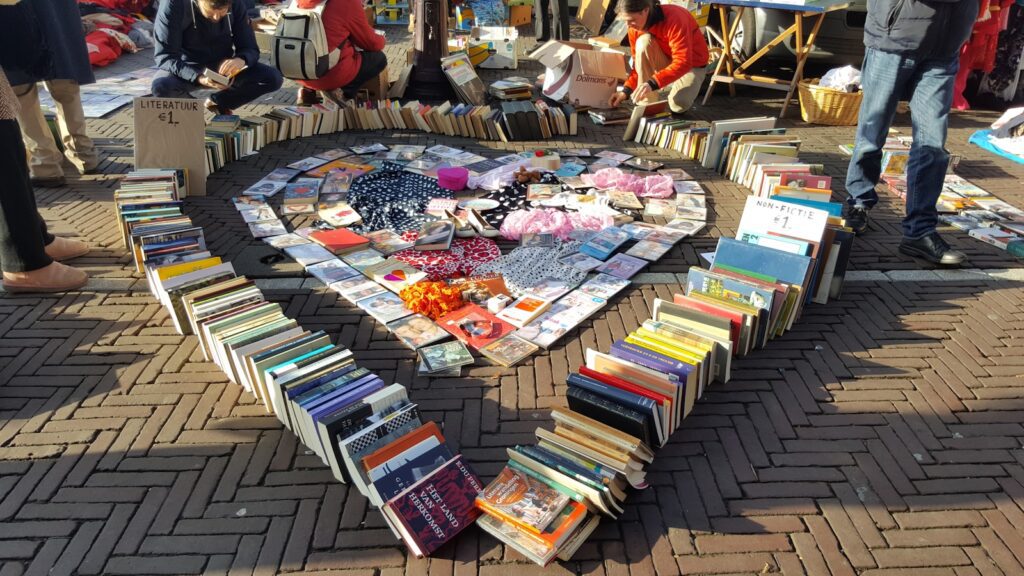
At an estate sale in her uncle’s home, one mom found herself in an unexpected exchange that raised eyebrows. A woman, clearly from a different generation, stood her ground over payment methods, insisting that her honesty should be good enough for a check. Yet when pressed, it became clear that her financial situation wasn’t quite as straightforward as she claimed.
The estate sale organizers, wanting to keep things simple, requested cash or credit only. That’s when the woman, referred to in the discussion as a “boomer,” expressed her dismay. She couldn’t comprehend why her checks weren’t accepted, loudly asserting her integrity. “I’m honest,” she insisted, as if that should automatically validate her payment option.


What complicated matters was her admission about her debit card. She explained that she avoided using it because her bank account was empty. Ironically, this was the same account she intended to draw a check from. One mom was caught off guard, not sure whether to laugh or be frustrated by the whole scenario.
The exchange seemed surreal. The woman was adamant about being trustworthy but had no actual money to back her claims. One mom couldn’t help but feel the awkwardness of the moment; it was hard to reconcile her insistence on using a check with the fact that it wasn’t just a method of payment—it was a promise she couldn’t fulfill.
People had very different reactions when this situation was shared on Reddit. Some found humor in the absurdity of it all, while others expressed genuine disbelief at the woman’s attempt to use a check despite her financial status. “Who thinks a check is a valid currency when they have no funds?” one commenter questioned, echoing the confusion many felt.
Others pointed out how changing payment methods have become a common point of contention, particularly for older generations. For them, checks seemed to symbolize a time when trust was more prevalent in transactions. “It used to be about honesty, but times have changed,” another user noted. The divide between generations was evident, echoing a sense of nostalgia for some and frustration for others.
Many commenters couldn’t shake the feeling that there was something off about the whole situation. “How do you claim to be honest but can’t even pay for what you want?” someone challenged. The dilemma of being upfront but simultaneously unable to back it up made the exchange all the more puzzling.
Some Redditors discussed their own experiences at estate sales, sharing stories of awkward payment disputes. One user recounted a similar encounter where an elderly man insisted on bartering with a collection of antique coins that were worth far less than the items he wanted to buy. There seemed to be a common thread: the clash of expectations and reality in financial transactions, especially across generational lines.
This estate sale incident sparked conversations about how payment norms have evolved. It revealed a gap in understanding between those who grew up with checks and those who are more accustomed to digital transactions. Some suggested that these interactions might be a precious opportunity for learning, while others simply found it frustrating to navigate.
As one mom left the estate sale, she couldn’t help but wonder about the woman’s insistence on honesty. Was it truly a matter of principle, or was it a reluctance to adapt to changing times? The whole episode left lingering questions about how people manage finances and trust. What’s the next step when honesty isn’t enough to cover the cost?
More from Decluttering Mom: