

If you sell on Etsy, or buy from small shops there, the rules just changed. Etsy has banned AI-generated patterns and recipes, and sellers must now show at least one unedited photo of the real item. Repeat violations can get a shop removed.

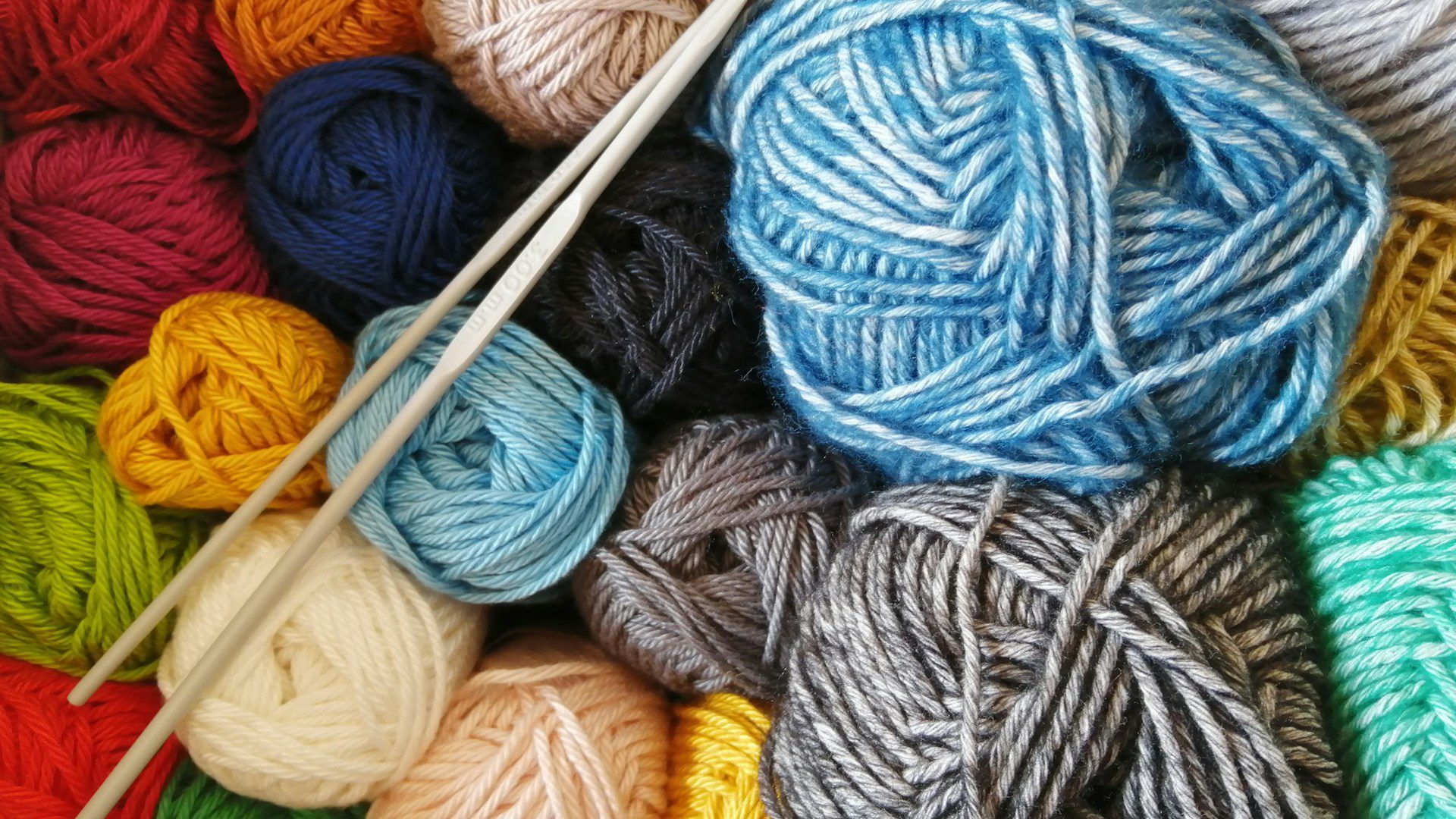
The announcement came on October 22, 2026, and Etsy revised its image requirements in early November.
Here is what the new rules say, who they affect and how to keep your shop in good standing.
The policy is laid out in Etsy’s Seller Handbook.
Etsy Bans AI-Generated Patterns, Recipes And Plans
Etsy now bans AI-generated patterns, recipes, woodworking plans, manuals and similar instructions. Under the new policy, those items must be the seller’s original work.
That covers a lot of popular digital products. Knitting patterns, baking guides, craft tutorials and step-by-step build plans all fall into the category.
For buyers, the change is meant to make sure the instructions they pay for came from a real maker who tested them.
Most Listings Now Need At Least One Unedited Photo Of The Real Item
The second change is about pictures. Most listings now need at least one unedited photo of the actual item for sale.
The idea is that a buyer should see what they will receive, not a polished mock-up or a generated image. A real photo is evidence that the product exists.
If your listing used a staged or generated image as its only picture, you will need to add a true photograph.
The November Update Allows Crop, Resize And Watermark, But Not Lighting Or Color Changes
Etsy revised its image rules in November. Sellers may now crop, resize and watermark the photo.
What is not allowed are changes to lighting or color. That rule keeps the photo true to how the item will look when it arrives.
So a straight photo that you have trimmed to fit the listing is fine. A filter that makes a blue scarf look teal is not.
Grid-Based Craft Patterns Get A Different Rule
There is an exception for patterns that are built on a grid, such as cross-stitch. These listings can use digital previews instead of finished-project photos.
That makes sense, because the pattern itself is the product. A chart on a grid is easy to show as a digital image.
If you sell this kind of pattern, you can keep using previews of the chart rather than stitching every design first.
When Enforcement Starts, And What Happens To Repeat Offenders
Etsy says proactive enforcement is planned for early 2027, with advance notice. That gives sellers some time to review their listings.
Repeat violations can lead to shop removal. Buyers may also be able to get refunds on items that are materially different from what was shown.
In plain terms, the shop’s reputation and income depend on following these rules.
How To Take A Good Photo Without Editing It
Since lighting and color changes are off the table, the work happens before you press the button. Shoot near a window in daylight, which is the easiest way to get true color.
Use a plain, clean background, such as a white sheet or a wooden table, so the item stands out. Take a few angles and pick the one that looks most like the real thing.
Wipe the lens and hold your phone steady. A sharp, honest photo does more for a listing than any filter.
Seven Steps To Get Your Shop Ready
You do not need to wait for early 2027. A little housekeeping now can head off problems later.
- Review every listing for patterns, recipes, plans or manuals, and confirm each is your own original work.
- Add at least one real, unedited photo of the item to every listing that needs it.
- Limit photo edits to cropping, resizing and watermarking.
- If you sell grid-based patterns, check that your digital preview matches the product.
- Keep notes or drafts that show how you created your own patterns and recipes.
- Read the Seller Handbook for the current wording, since Etsy has already revised it once.
- Set a reminder to double-check your shop before early 2027.
What Buyers Should Know
If you shop on Etsy, the changes should work in your favor. A real photo of the item and an original pattern or recipe mean fewer unpleasant surprises.
It still pays to look closely. Read reviews, check whether photos match the description and message the seller if something looks off.
And remember the refund point. Buyers may get a refund when an item turns out to be materially different from what the listing showed.
Selling Handmade Without The Headaches
For makers who sell what they create, these rules are less a burden than a chance to stand out. Real photos and original work are what draw buyers to handmade goods in the first place.
If you resell what you declutter, whether that is vintage finds or craft supplies, the same principle applies. Take honest photos in good light, describe the item as it is and let it speak for itself.
Honest listings tend to bring fewer returns and happier customers. That is good business on any platform.
More Stories You May Like
- Before You Donate Old Kitchenware, Check These 6 Pieces Collectors Pay Real Money For
- 10 Things You Should Never Pour Down Your Kitchen Drain, Even If They Seem Harmless When You Rinse The Sink With Hot Water
- Applebee’s Manager Refuses To Serve Twin Brothers Because He Thinks Their Two Licenses Are The Same ID, Then Nearby Diners Check And Prove Him Wrong