


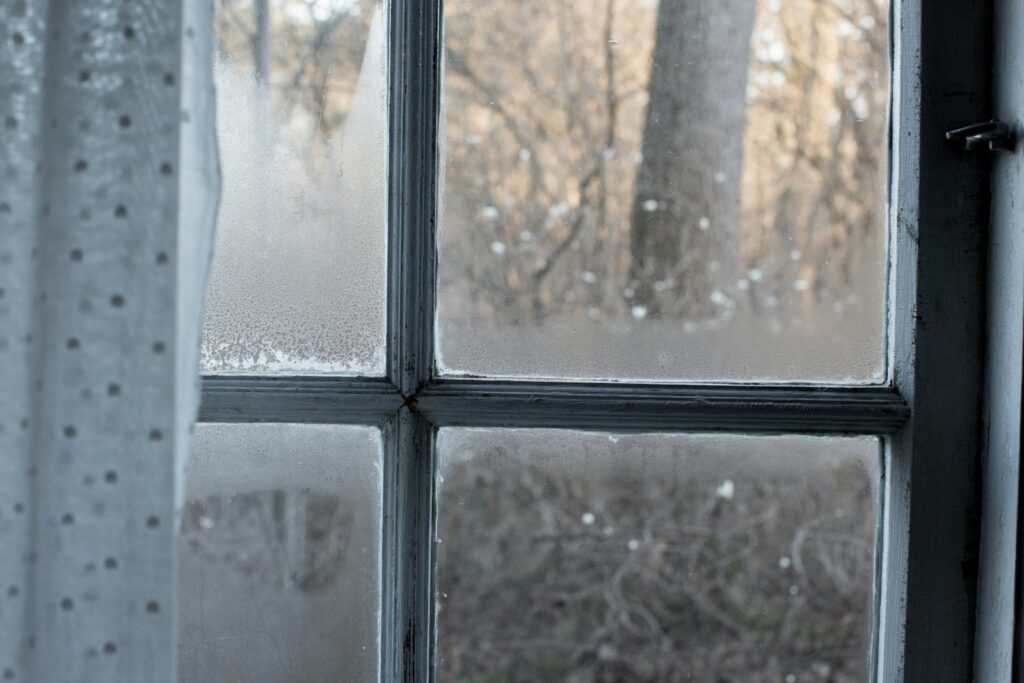
You can stop winter moisture from damaging your walls, windows, and finishes by airing rooms briefly and regularly. Opening windows for short bursts lowers indoor humidity, cuts condensation risk, and helps prevent mold and musty smells without sending heating bills through the roof.
They’ll learn why experts recommend quick ventilation even in cold weather and where to focus those short bursts—bathrooms, kitchens, and bedrooms—to get the biggest benefit. Practical tips will show how to time openings, create a fast cross-breeze, and combine airing with dehumidifiers or extract fans so you protect your home while staying comfortable.


Why Experts Recommend Opening Windows in Winter
Brief bursts of outdoor air cut indoor humidity, lower CO2 and dilute cooking or cleaning fumes. Doing this strategically reduces window condensation, helps keep relative humidity in a safe range, and protects finishes and fabrics from moisture damage.
How Opening Windows Prevents Moisture Damage
Opening windows briefly exchanges damp indoor air for drier outside air, which directly reduces indoor humidity and the relative humidity that causes condensation on cold surfaces. When humidity drops from, say, 60–70% down toward 40–50%, water no longer beads on window glass and frames as readily, so paint, wood trim, and insulation face less repeated wetting.
Practically, experts recommend 5–15 minute “shock” ventilation sessions — ideally creating a cross-breeze — after activities that add moisture like showering, cooking, or drying clothes indoors. That quick exchange moves moisture-laden air out before it migrates into wall cavities or collects on cold windows.
Boosting Indoor Air Quality and Comfort
Fresh air lowers CO2 concentrations that build up overnight or during gatherings, improving alertness and perceived air freshness. It also dilutes volatile organic compounds (VOCs) from cleaning products, candles, and off-gassing materials, helping occupants breathe easier.
Target windows in occupied rooms for short, frequent airing during the warmest part of the day when heat loss is least. If outdoor pollen or smoke is an issue, combine brief window openings with a running kitchen or bathroom fan and an air purifier to keep particulate levels down while still reducing indoor humidity.
Avoiding Mold and Health Issues
Sustained high indoor humidity (above about 60% RH) favors mold growth on ceilings, behind furniture, and inside closets. Mold spores then contribute to allergic reactions and respiratory irritation, especially in sensitive people. Lowering relative humidity below that threshold removes a key condition molds need to thrive.
Ventilation is a frontline measure before remediation becomes necessary. For rooms with persistent dampness, experts advise adding a dehumidifier and inspecting for cold spots or thermal bridging where condensation repeatedly forms. Addressing both moisture source and air exchange minimizes the chance of costly mold remediation later.
Expert-Recommended Ventilation Habits
Experts suggest routines: open opposite-side windows for 5–10 minutes once or twice daily to create a cross-draft; vent immediately when cooking, bathing, or doing laundry; and prioritize airing bedrooms in the morning to lower overnight humidity buildup. These habits keep indoor humidity within a recommended 30–50% relative humidity band for comfort and moisture control.
For very cold climates or vulnerable occupants, they recommend alternative solutions: heat-recovery ventilators (HRVs) or energy-recovery ventilators (ERVs) that bring in fresh air while recovering heat, or using smart humidity sensors to trigger fans or dehumidifiers when relative humidity rises above set thresholds.
Pro Tips to Control Humidity and Reduce Condensation
Control moisture by airing rooms briefly, using targeted equipment, and upgrading cold surfaces that attract condensation. Small daily actions—short cross-venting, run exhaust fans, or a portable dehumidifier—cut humidity where it forms and protect windows and trim.
Smart Ventilation: When and How to Open Windows
They should open windows in short bursts, not leave them cracked for hours. Aim for 3–10 minutes of cross-ventilation during the warmest part of the day, or immediately after cooking, showering, or hosting guests to expel humid air quickly.
Create a cross-breeze by opening windows on opposite sides of the house or pairing a single open window with an interior door propped open. If outdoors is windy, use shorter bursts; if calm and mild, extend to 10–15 minutes. Avoid opening windows overnight if temperatures drop below freezing, since cold surfaces like panes become more prone to frost and condensation when indoor air remains moist.
Use a cheap hygrometer to track relative humidity; keep living areas below 50% RH to reduce mold risk and limit window sweating. For busy homes, set phone reminders for brief airing sessions timed to daily activities.
Using Dehumidifiers, Exhaust Fans, and Other Tools
They should place dehumidifiers in the most humid rooms—bathrooms, kitchens, and basements. Choose a unit sized for the space (e.g., 20–30 pints for 1,000–1,500 sq ft use or smaller portable units for single rooms). Empty or plumb the reservoir regularly and clean filters every month.
Run exhaust fans during and after showers and cooking for 10–20 minutes. Check that kitchen fans vent outdoors rather than into attics. For continuous control, consider a whole-house ventilator with heat recovery if winters are severe; it exchanges air while retaining most heat.
Supplement with portable air movers or window trickle vents when open-window airing isn’t practical. Activated charcoal or desiccant packs work as short-term odor and moisture absorbers, but they don’t replace mechanical dehumidification for persistent high humidity.
Insulation and Window Upgrades that Help
They should address cold interior surfaces first because condensation forms where warm, moist air meets cold glass. Adding or improving window insulation reduces surface chill and cuts frosting on panes.
Install storm windows or upgrade to double- or triple-glazed units to raise interior glass temperature and reduce surface condensation. Triple-glazed windows perform best in very cold climates by maintaining warmer inner glass temperatures and lowering the risk of frosty windows. Weatherstripping and foam gaskets seal drafts that let moist air contact cold frames.
Where replacement isn’t possible, apply insulating film or heavy thermal curtains at night to reduce radiative cooling of the glass. Combine these upgrades with ventilation and dehumidification for the most reliable reduction in indoor humidity and condensation.
More from Decluttering Mom: