


You’ve probably used the garage as an overflow closet without thinking about who else might move in. Cluttered stacks, open-food containers, and cardboard on the floor create easy hiding spots and snack stations that attract mice and rats.
This post shows which storage habits experts warn against and how simple changes protect your home. Stay tuned for clear, practical steps to seal entry points, swap containers, and organize so pests stop seeing your garage as prime real estate.
Experts Say These Garage Storage Habits That Attract Rodents
Rodents look for easy food, shelter, and quiet places to nest. Small choices—like leaving pet kibble in flimsy bags or stacking cardboard on the floor—create big opportunities for mice and rats.
Storing Food and Pet Supplies in the Garage


Leaving pet food, birdseed, or baking supplies in the garage greatly increases rodent activity. Open bags, torn packaging, and even sealed plastic tubs with loose lids let smells escape; rodents follow scent trails and chew through soft containers. He should transfer dry food into metal or heavy-duty plastic containers with locking lids and keep smaller portions inside the house.
Spilled kibble and crumbs need immediate cleanup because they attract ants, roaches, and then rodents. Store food off the floor on metal shelving at least four inches above the concrete and inspect lids and seals monthly for bite marks or gaps.
Using Cardboard Boxes for Storage
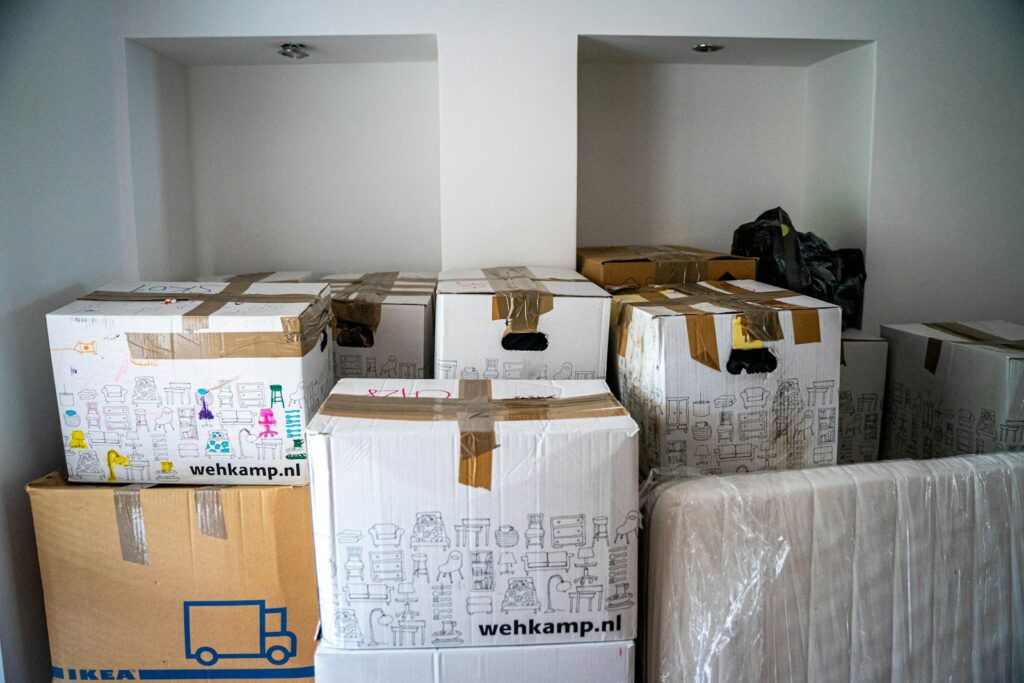
Cardboard provides both nesting material and food to some pests, and it hides small droppings and gnawed edges until infestations grow. She should avoid long-term storage in corrugated boxes for anything perishable or that holds food residues. Replace frequently used cardboard with stackable plastic bins that seal tightly.
If cardboard remains necessary, elevate boxes on shelving or pallets and label contents. Rotate and inspect boxes every few months; look for chewing, grease stains, or concentrated dust that signals rodent activity. Flatten and recycle damaged boxes immediately.
Keeping Clothing, Paper Products, and Linens
Fabric and paper absorb odors and retain body oils or food traces that attract moths, beetles, and rodents. They also provide soft nesting material rodents prefer. He should launder textiles before storage and use airtight containers for seasonal clothing or linens.
Avoid stuffing garments into loosely closed bags or open piles on shelves. Use cedar-lined chests for short-term storage and silica packs or desiccants to control humidity. Check stored textiles quarterly for gnawing, urine stains, or droppings.
Leaving Firewood, Trash, or Yard Waste Indoors
Bringing firewood, compostable yard waste, or unbagged trash into the garage creates moisture pockets and hidden cavities where rodents breed. Firewood stacked against walls transfers insects and rodents close to structures. She should keep wood and yard waste at least several feet from the garage and off the floor on a rack.
Trash bins need tight lids and regular cleaning to remove residue. Compostable material belongs outside in sealed containers; if temporary indoor storage is unavoidable, bag and seal it and limit time inside the garage to reduce attraction.
How to Store Items in Your Garage Without Attracting Rodents
Keep food-grade items sealed, elevate containers off the floor, and remove cluttered hiding spots so rodents can’t nest or find easy food. Regular inspection and targeted sealing eliminate common entry routes and make the garage less attractive to pests.
Switching to Plastic Bins and Elevating Storage
They should replace cardboard and fabric storage with thick, rigid plastic bins that have tight-fitting lids and snap closures. Clear bins help locate contents without opening them, reducing the number of times lids are removed and scents escape. Choose high-density polyethylene (HDPE) or polypropylene containers; metal or sealed steel cabinets work well for long-term food or birdseed storage.
Elevate storage at least 6–12 inches off the concrete using shelving, pallets, or wall-mounted racks. Elevation prevents rodents from easily chewing through bottoms and makes it easier to spot droppings or gnaw marks. Label bins on the side so they don’t need to be stacked and unsealed frequently.
Decluttering and Reducing Hiding Places
They should create a simple, repeatable routine: remove unused items every six months and keep a single clear pathway at least 2–3 feet wide along walls and access points. Consolidate similar items (garden seed, pet supplies, holiday food) into a single, sealed container rather than many partial boxes.
Store firewood and yard waste outside, away from the foundation, and never stack wood directly against the garage wall. Use pegboards and overhead storage for rarely used tools and seasonal gear to reduce floor-level concealment. Regularly sweep and vacuum corners to remove crumbs and nesting material.
Sealing Entry Points and Maintaining Cleanliness
They should inspect common entry points monthly: garage door bottom seals, weatherstripping, vents, utility penetrations, and gaps where the wall meets the foundation. Seal holes larger than 1/4 inch with steel wool, caulk, or expanding foam backed by metal mesh; replace torn weatherstripping and install door thresholds if gaps exceed 1/2 inch.
Maintain cleanliness by storing pet food and birdseed in designated, labeled containers and cleaning spills immediately with a soap solution. Keep trash in lidded, outdoor bins and rinse recyclables before storing. Place sticky traps or monitoring stations near suspected entry points to detect activity early.
More from Decluttering Mom: