


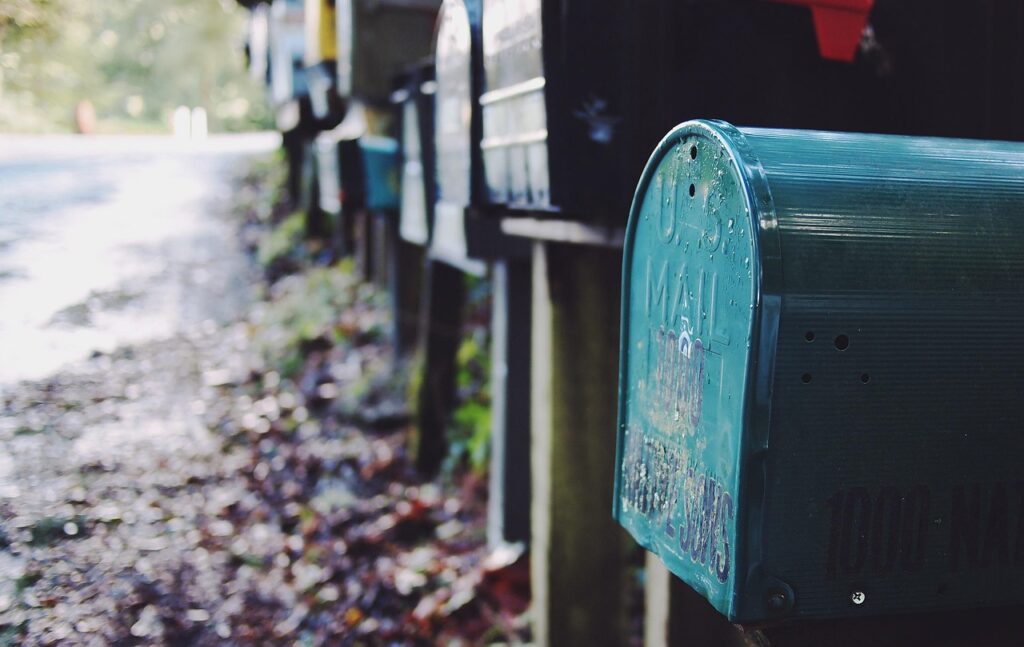
They’ve started hitting quiet streets and cul-de-sacs where people feel safest, and that should make anyone with a mailbox pay attention. A simple habit—leaving outgoing mail with the flag up or unsecured checks in a box—can let scammers steal money and personal information in minutes.
He or she will want to know how these thefts work in suburban neighborhoods, why crooks favor certain routes, and which everyday behaviors make someone an easy target. The article will walk through the tactics used at the mailbox and the digital tricks that often follow, so you can spot threats before they cost you.

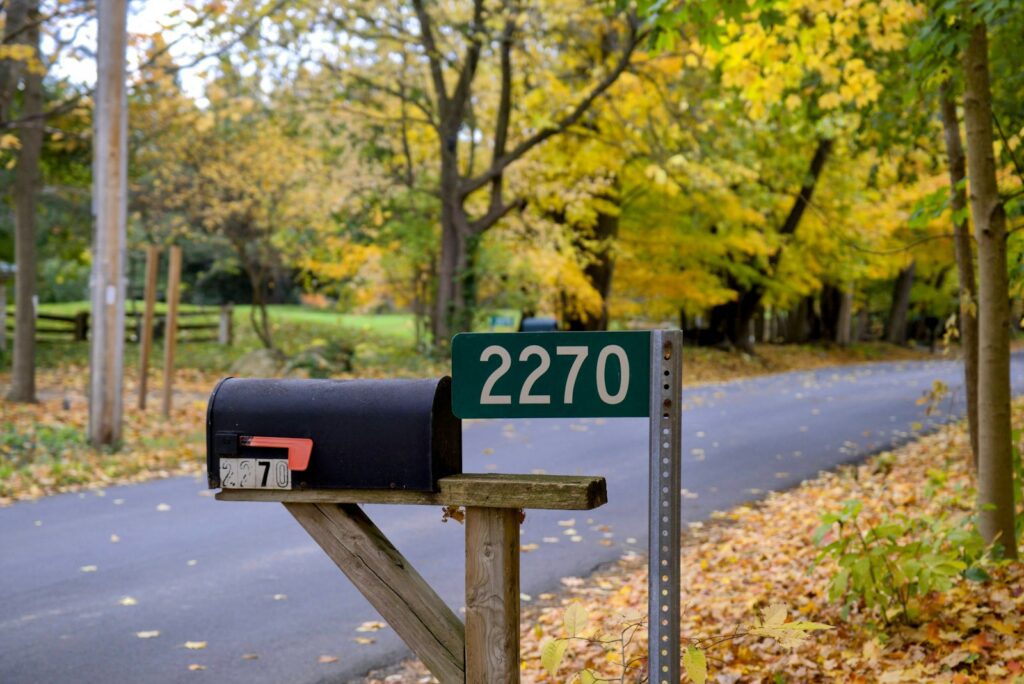
How Mailbox Scams Are Targeting Suburban Areas
Suburban residents face a mix of opportunistic and organized attacks on mail. Thieves focus on checks, identity documents, and packages, exploiting predictable delivery patterns and unsecured drop points.
Rise of Mail Theft and Check Washing
Neighborhoods with curbside mailboxes and rarely-monitored cluster boxes have seen more thefts. Criminals steal whole envelopes or remove checks left in unlocked residential boxes, then use “check washing”—chemicals to remove ink—to alter payee names and amounts.
Banks often flag altered checks only after funds clear, leaving victims to dispute withdrawals and close accounts. The FBI and Postal Inspection Service report increases in such schemes, especially near collection boxes and during evening hours.
Seniors and busy households are primary targets because they may receive regular checks (pensions, insurance) and might not check mail daily. Simple steps—holding mail while away, using secure envelopes, and signing up for Informed Delivery—reduce exposure.
Scammer Tactics: From Home Mailboxes to Blue Collection Boxes
Scammers adapt tactics depending on mailbox type. For curbside boxes, thieves may follow mail carriers or fish mail from locked boxes with tools. For cluster or blue collection boxes, they target late-night pickup windows or hack master keys from postal employees.
They combine physical theft with identity fraud: stolen mail fuels phishing, account takeovers, and synthetic ID creation. Scammers also offer to “cash checks” and use forged endorsements to deposit funds.
The Postal Inspection Service urges dropping mail inside post offices or using slot drops close to posted pickup times. Neighborhoods can report suspicious activity and request increased patrols around known vulnerable boxes.
Impact on Victims and Communities
Victims often face financial loss, damaged credit, and time-consuming disputes with banks and credit bureaus. Identity theft from stolen mail may trigger months of fraud alerts, new IDs, and legal paperwork.
Communities suffer rising insurance claims and mistrust in local mail security, which can push residents toward costly alternatives like private courier lockers. Local businesses that rely on mailed payments experience cash-flow disruptions when checks are intercepted.
Law enforcement and postal inspectors recommend quick reporting to banks and filing complaints with the FBI’s IC3 and the Postal Inspection Service to improve investigations and help recover losses.
Links: mail theft warnings from the Federal Bureau of Investigation and Postal Inspection.
Protecting Yourself Against Modern Mail and Digital Scams
They should verify senders, stop before clicking, and lock down accounts with strong authentication. Small habits—confirming delivery notices, shredding old bank statements, and using unique passwords—cut the attack surface for both mailbox thieves and online fraudsters.
Recognizing Phishing and Email Scams
They should treat unexpected emails or texts that ask for credentials, payments, or personal details as suspicious. Look for misspelled domains (for example, paypa1.com), slight changes in sender addresses, and requests to move conversations to text or a private link.
Phishing emails often create urgency—“pay now,” “account locked,” or “verify today”—so pausing is critical. Hover over links on desktop to reveal the real URL. On mobile, tap and hold links to preview them or copy the link into a safe notepad app to inspect.
If a message claims to be from a bank, delivery service, or government agency, they should call the organization using a number from an official statement or the company website. For business email compromise (BEC), verify any invoice or wire-transfer request by calling a known contact, not the phone number in the message. Report suspicious emails to the company’s fraud team and forward phishing attempts to the FTC or the email provider.
Preventing Identity Theft and Data Breaches
They should limit sharing of Social Security numbers, birthdates, and full addresses. Only provide such details through verified portals, never by email or unsolicited phone. Freeze credit at the three major bureaus if personal data appears in a breach, and monitor credit reports monthly.
Enable two-factor authentication (2FA) on all financial, email, and important accounts. Prefer app-based authenticators or hardware keys over SMS to reduce SIM-swap and ransomware-related compromises. Use unique, complex passwords stored in a reputable password manager. If a company notifies them of a breach, they should change passwords immediately and check account activity for unknown logins or charges.
Smart Steps for Consumer Protection
They should secure physical mail by using locked mailbox models or getting delivery held at the post office for extended absences. Install motion-light cameras or doorbell cameras to deter mailbox tampering and gather evidence if theft occurs. Shred billing statements and preapproved credit offers before disposal.
For digital defenses, keep devices and software updated to patch vulnerabilities exploited by cybercriminals and ransomware gangs. Use antivirus with real-time protection and enable spam filters on email accounts. When shopping or entering payment details, favor sites with HTTPS and known reputations. If they suspect fraud, file complaints with the FTC, report mail theft to the USPS, and alert banks to freeze cards or reverse unauthorized transactions.
More from Decluttering Mom: