


An extreme heat warning went into effect across St. Louis, and the Kansas City and Topeka areas are under similar heat alerts starting September 4 and lasting into the weekend, with heat index values expected to reach as high as 107 degrees, according to the National Weather Service alert issued by the NWS St. Louis office.
Key Points
- The warning runs from 3:26 a.m. CDT on September 4 through 8:00 p.m. CDT on September 5, per the NWS alert
- It covers portions of south central, southwest and west central Illinois, along with central, east central, northeast and southeast Missouri, including counties around Greene, Macoupin and Montgomery
- Heat index values could climb as high as 107 degrees, the NWS says
- The alert lands during the first full weekend after Labor Day, when many households have already scaled back summer AC use


What Happened
- The extreme heat warning is one of the NWS’s highest-level heat alerts, reserved for conditions considered dangerous even for healthy adults
- Forecasters are urging residents to stay indoors in air conditioning when possible and to limit direct sun exposure
- Outdoor workers are advised to schedule strenuous tasks for cooler morning or evening hours and take frequent breaks in shade or air conditioning
- The NWS explicitly warns against ever leaving children or pets unattended in a parked vehicle during this stretch
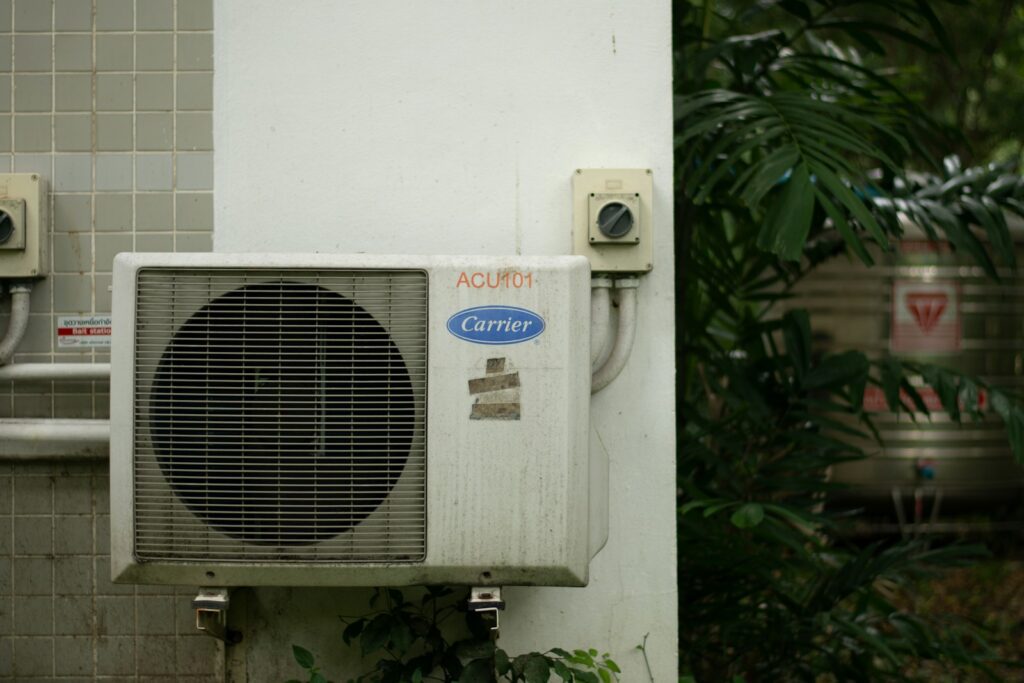
Late-summer heat warnings like this one put unusual strain on home cooling systems, which is where the risk quietly shifts from the forecast to the house itself. Central air units that have been running near-continuously since June are more likely to struggle or fail right as the heat index peaks, and a poorly maintained air conditioner working overtime in 100-plus heat index conditions is also a documented fire and electrical-strain risk, not just a comfort issue.
What Homeowners Should Do
- Check air filters now: a clogged filter forces the system to work harder and raises the risk of it failing during peak heat
- Keep blinds or curtains closed on sun-facing windows during the hottest part of the day to reduce the load on the AC unit
- Never leave children, older adults or pets in a parked car, even briefly, and check on relatives or neighbors without reliable air conditioning
- Stay hydrated and limit strenuous outdoor activity to early morning or evening hours through the warning period
- Know the signs of heat stroke (confusion, hot and dry skin, a rapid pulse) and call 911 immediately if they appear
September heat warnings covering three major Midwest metro areas at once are still relatively unusual, and they tend to catch households off guard precisely because summer AC habits, like cracked windows in the evening or thermostats nudged up to save money, are already starting to relax by early September.