


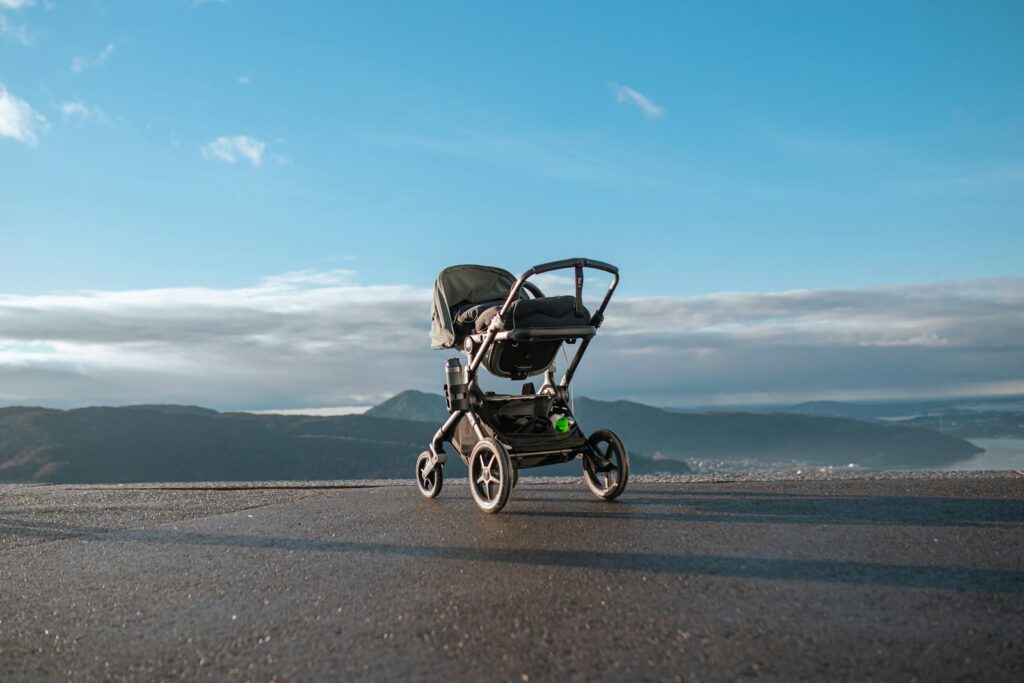
The U.S. Consumer Product Safety Commission is telling families to stop using a $230 stroller sold through Shein.com right away, warning that an opening between the seat and the grab bar can trap an infant, a hazard the agency says violates the mandatory federal safety standard for strollers. The product is the B. Childhood High Landscape Baby Stroller, model V9, and what makes this case unusual is what it isn’t: a recall. The CPSC issued a Notice of Violation to the seller, B. Childhood, based in Chino, California, and the company simply never responded. With no manufacturer cooperating, there’s no formal recall process to run, no free repair kit coming, and no company standing behind the product at all. There’s only a public warning telling parents to get rid of it themselves.

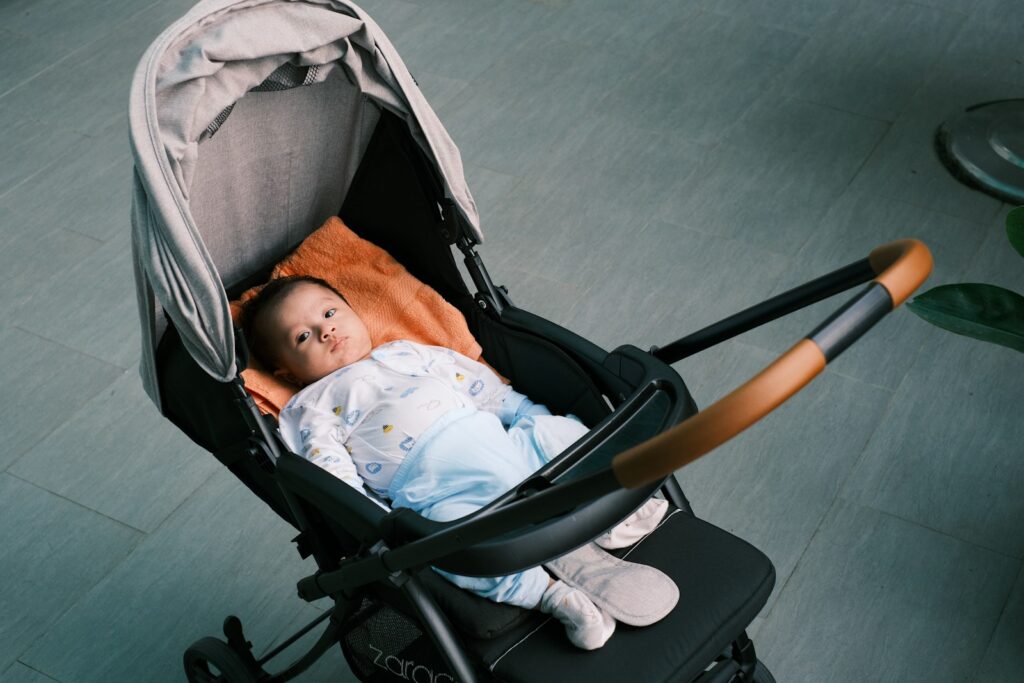
What the hazard actually is
The CPSC’s language is specific: an opening between the seat and the grab bar creates an entrapment risk, meaning a baby’s head or body can become caught in the gap, raising the risk of serious injury or death from asphyxiation. Federal stroller standards exist precisely to close off gaps like this, requiring manufacturers to design seating areas without spaces a small child could slip into and get stuck. The B. Childhood V9, marketed as a “high landscape” travel system with a convertible bassinet and infant carrier setup, doesn’t meet that standard, according to the agency’s June 11, 2026 warning, catalogued as Warning Number 26-549.
Why this is a warning, not a recall
A traditional CPSC recall requires a cooperating manufacturer or importer, one that agrees to notify customers, often offers a refund or replacement, and works with the agency to remove the product from circulation. That process depends on a company that can be reached and that chooses to participate. Here, the CPSC issued its formal Notice of Violation to B. Childhood, and the company did not respond. Without a responsive party, the agency’s only remaining tool is a direct public warning, which carries the same urgency as a recall notice but comes with none of the built-in remedy. There’s no refund process attached to this warning. Parents who own the stroller are being told to dispose of it themselves, at their own cost, and not to resell or give it away, since doing so would just hand the same hazard to another family.
Part of a bigger pattern with overseas marketplace sellers
This case fits into a problem CPSC commissioners have been raising publicly for over a year. In 2024, CPSC commissioners formally called for an investigation into Shein and Temu, citing reports that dangerous baby and toddler products, including padded crib bumpers that Congress banned outright in 2022, were readily available on both platforms. Commissioners pointed to the “de minimis” import exemption, which allows shipments valued under $800 to enter the country with minimal customs scrutiny, as a structural loophole that lets low-cost overseas sellers bypass the safety vetting a domestic retailer would face. Many products sold through platforms like Shein arrive as small individual shipments that fall under that threshold, making it difficult for the CPSC to intercept unsafe items before they reach a customer’s door.
That’s the backdrop for why a company like B. Childhood can simply ignore a federal Notice of Violation with no immediate consequence forcing a recall. When a seller has limited or no meaningful U.S. business presence, the agency’s normal recall leverage, the threat of legal or financial consequences tied to an established American company, doesn’t have the same grip.
What parents who own this stroller should do
The CPSC’s guidance is direct and leaves no middle ground: stop using the B. Childhood High Landscape stroller, model V9, immediately. Do not continue using it even occasionally or for short trips. Dispose of it rather than storing it for a future child or donating it, since the entrapment hazard doesn’t go away with the passage of time. And do not attempt to resell it, whether through a local marketplace app, a yard sale, or a secondhand baby gear group, since doing so passes the same risk on to someone else’s child without the warning attached.
For families who bought infant gear through Shein or a similar low-cost overseas marketplace more broadly, this case is also a reminder to check any product against the CPSC’s own recall and warning database directly, rather than assuming a listing that’s still live and sellable on a marketplace site has actually cleared U.S. safety standards.