


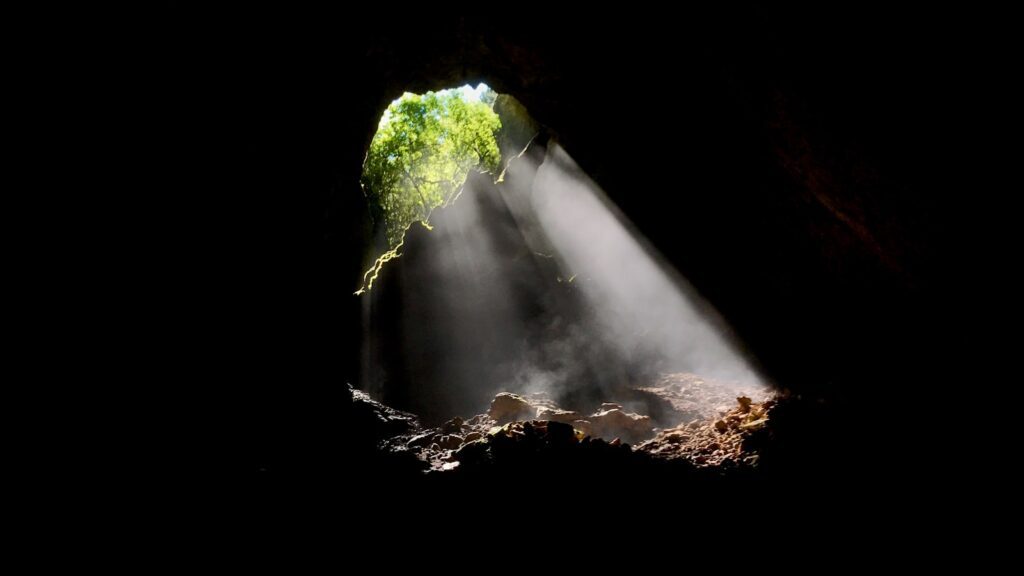
Deep in a forested hillside in southern India, police on routine patrol stumbled on a scene that sounded more like folklore than a field report: a mother and two young daughters living inside a rocky cave, surrounded by snakes and monsoon-soaked jungle. The family, visitors from Russia, had turned the hollow into a long‑term home, sleeping on plastic mats and cooking instant noodles while the outside world moved on without them. Their discovery has since raised thorny questions about parental freedom, child safety, and what happens when a spiritual quest collides with immigration law.
At the center of it all is Nina Kutina, who left conventional life behind and insists her children were “very happy” in the wild. Authorities, on the other hand, describe a risky existence in a snake‑infested forest, a visa that expired years ago, and two little girls who had never known anything close to a normal neighborhood. Between those two versions of the story sits a global audience trying to decide whether this was an act of devotion, neglect, or something far more complicated.
The patrol, the cave, and a family hidden in plain sight


The family’s secret life unraveled almost by accident. Police in Karnataka were out on a standard patrol after a landslide when Circle Police Inspector Sridhar and his team noticed clothes hanging near a rock face, an odd sight in the middle of dense forest. Following the trail, officers found a small opening that led to a cramped cave where a Russian woman and two girls had been living for years, their presence previously unknown to local residents or On Friday patrols. Officers later described being struck by how self‑contained the setup was, with makeshift bedding, scattered groceries, and a narrow path worn into the hillside by daily routines.
Investigators soon identified the woman as Nina Kutina, a Russian national who had first come to India years earlier and then drifted off the grid. Police in India are still piecing together exactly when she and the children entered the forest, how they funded their supplies, and who, if anyone, knew they were there, a mystery that has drawn in Karnataka officials and sparked questions about who the family really are and what led them to such an extreme choice in the first place, according to Karnataka police. For now, what is clear is that the cave was not a temporary hideout but a long‑term home, built around a deliberate retreat from ordinary life.
When officers finally coaxed the trio out, they found two girls aged six and four who had spent much of their childhood in that forest hollow. One report describes the children as the daughters of a Russian mother who had chosen the cave over any rented room or guesthouse. The girls were reportedly calm and attached to their surroundings, even as officers pointed out the snakes and steep drops that framed their everyday world.
Adventure, spirituality, and a life built on noodles and meditation
From the moment the story surfaced, Nina Kutina has pushed back on the idea that she endangered her children. Friends and officials alike describe her as driven by a mix of spiritual searching and a taste for risk. One local officer, Sridhar, summed it up bluntly, saying it was nothing but her love for adventure that brought her to the cave, where police later found pictures of Hindu deities arranged around the living space, a detail that underscored how deeply she had immersed herself in local Hindu traditions. For Kutina, the forest was not a hiding place so much as a spiritual retreat, a setting she believed would keep her daughters close to nature and far from what she saw as the noise of modern life.
Accounts of daily life in the cave paint a picture that is both austere and strangely methodical. Reports describe how a Russian woman survived in the cave with her children after her visa expired in 2017, relying on Meditation, simple food like instant noodles, and a routine that balanced foraging with quiet spiritual practice, a rhythm detailed in coverage of How she managed the basics. Another account notes that Nina Kutina, a Russian woman, spent eight years in a Karnataka forest cave with her two daughters, embracing Hindu philosophy, eating what she could carry or find, and maintaining a spiritual practice that turned the cave into a kind of improvised ashram in Karnataka. To her supporters, that level of commitment looks like conviction. To critics, it looks like obsession.
More from Decluttering Mom: