

By the time 13-year-old Jade Smith climbed onto the Brooklyn Bridge, her family believes the most important decisions about her life had already been taken out of their hands. They say the city pulled her from the only people who truly knew her, then failed to keep her safe as she unraveled. Now, after her death, they are trying to piece together how a child who needed help instead slipped through the cracks of a system that was supposed to protect her.
Their lawsuit and public pleas are not just about one tragedy. They are an indictment of how New York City handles its most vulnerable kids, from the first hotline call to the last case note. In their telling, Jade did not simply die by suicide, she died after being taken from them and left to navigate a dangerous world of foster care, mental illness, and bureaucratic neglect.
The Night On The Bridge

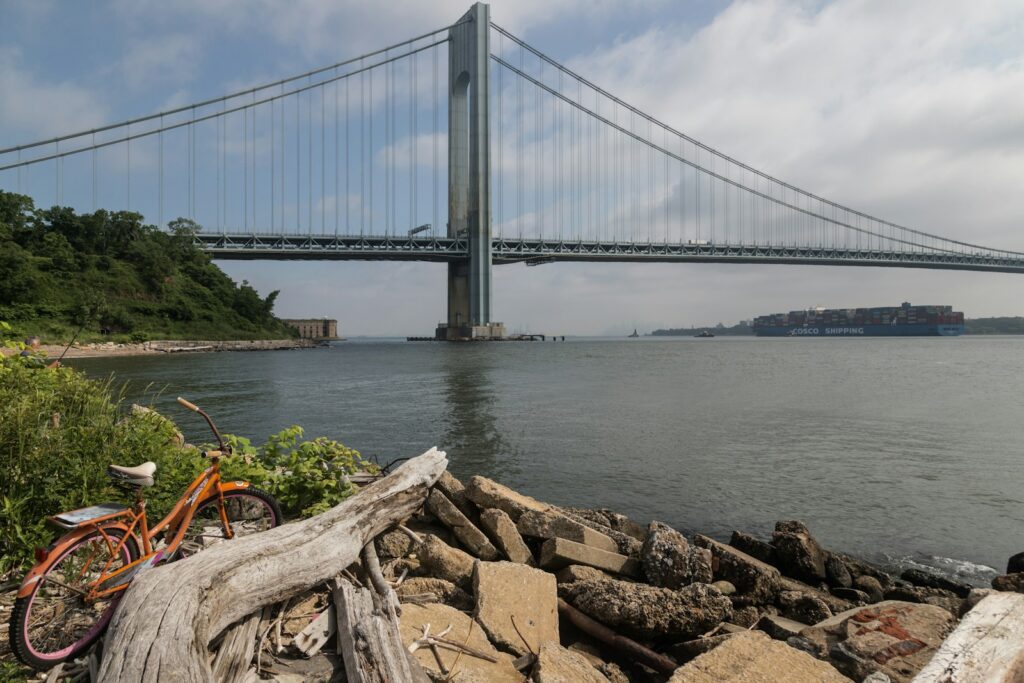
On a cold night in New York City, Jade Smith made her way onto the Brooklyn Bridge, one of the city’s most iconic structures, and jumped into the dark water below. She was just 13 years old, a middle schooler whose life should have been about homework, TikTok trends, and arguing over curfews, not a fatal plunge into the East River. First responders later recovered the body of the Brooklyn teen who had leapt from the span, a scene that would haunt her family and the emergency crews who tried to save her.
Her suicide on the Brooklyn Bridge into the East River in New York City did not come out of nowhere, according to relatives. They describe a long slide that began when child-welfare officials in NYC removed Jade from home and placed her in foster care. In their view, that decision set off a chain of events that ended on the bridge, turning what one social media post called a TRAGIC and “Sadly” predictable outcome into a public reckoning.
A Family’s Claim She Was “Taken”
From the start, Jade’s relatives have framed her death as something that did not just happen to them, but was done to them. The family of 13-year-old Jade Smith says she died after being taken from them by New York City’s child-welfare system, a move they argue ripped away her stability and sense of safety. They insist that once she was removed, they were sidelined, treated less like parents and more like bystanders to their own child’s crisis.
In their telling, the city’s intervention was not a rescue but the beginning of their nightmare. They say Jade Smith was just 13 when she was pulled from her home in NYC, and that the system that claimed to be acting in her best interest instead cut her off from the people who knew her moods, her triggers, and her fears. Another account of the case underscores the same point, describing how the family believes the city owes its most vulnerable kids more than a paper trail and a rotating cast of caseworkers.
How ACS Entered Jade’s Life
According to the lawsuit and relatives’ public statements, Jade’s path into the system began when she accused her stepfather of sexual abuse. Her family claims the city’s Administration for Children’s Services, often shortened to ACS, removed her in 2022 after that allegation, setting off a series of placements and evaluations that would define the last year of her life. They say the investigation and removal were handled in a way that left Jade feeling punished for speaking up, rather than protected.
One detailed social media post notes that Her family claims the city’s Administration for Children’s Services removed her after she reported that her stepfather sexually assaulted her, and that the system pushed her into placements that did not match her mental health needs. Another account bluntly states that the city ripped a delusional 13-year-old NYC girl from her family, then failed to monitor the troubled child as she repeatedly fled, a pattern highlighted in an NYC-focused post that tags the story with #tragedy and #fostersystem.
A Child In Crisis, A System On Autopilot
By the time Jade reached the bridge, her relatives say the warning signs were everywhere. They describe her as mentally ill and delusional, a child who needed intensive, consistent care rather than a revolving door of foster homes. Instead, they argue, she was shuffled around, with paperwork and protocols standing in for the kind of close monitoring that might have caught how desperate she had become.
One account flatly states that the city ripped a delusional 13-year-old NYC girl from her family, then failed to monitor the troubled child as she repeatedly fled placements, a pattern that appears in the foster system narrative around Jade. Another report describes her as a mentally ill 13-year-old who jumped from a NYC bridge to her death, with her family squarely blaming child services for not stepping in with the kind of sustained treatment and supervision she needed, as laid out in coverage of the mentally ill teen’s final months.
The Lawsuit And The “Stole My Child” Charge
Jade’s mother has not minced words about what she thinks happened. In her view, the city’s Administration for Children’s Services “stole” a vibrant girl from her home, then failed to keep her alive. The family’s lawsuit argues that the system meant to protect her failed at every step, from the initial removal to the lack of meaningful follow-up after she cycled through placements and crises.
One detailed report quotes the mother accusing the Administration for Children and Services of stealing her child, and notes that Jade committed suicide in January 2023. Another social media breakdown of the legal filing says that, according to the complaint, the system meant to protect her failed at every step, a point underscored in a post that opens with the stark line that A 13-year-old girl is dead and her family says the system failed her. That same post urges readers to “Please share,” turning the lawsuit into a broader call for accountability.
Caseworkers, Missed Signals, And A Year Too Late
For Jade’s relatives, some of the most painful details are not just about what happened before her death, but what happened after. They say that even in the wake of her suicide, the bureaucracy around her case seemed disconnected from reality. A year after Jade’s stunning suicide in January 2023, a case worker made an unannounced visit to the family’s Brooklyn home, apparently unaware that the child at the center of the file was already gone.
One account notes that this visit came a full year after her death, highlighting how out of sync the paperwork was with the actual course of the family’s life, as described in a report that details how year after Jade died, the system still had not caught up. Another report describes how One oblivious ACS worker even asked where Jade was, apparently unaware of her death, a moment that left her parents stunned and furious, as recounted in coverage that singles out One ACS employee’s question as proof of a system on autopilot.
The Toll On Terri And Richard
Behind the legal filings and policy debates are two parents whose lives have been blown apart. Jade’s mother and stepfather, identified as Terri and Richard, describe a cascade of losses that followed their daughter’s death. Grief did not arrive alone, it brought job loss, financial strain, and a constant replaying of what they might have done differently if the city had not intervened the way it did.
One report notes that Terri and Richard lost their jobs and their sense of stability after Jade’s death, as they tried to navigate both their mourning and a complex legal fight with the city, a detail laid out in coverage that names Terri and Richard directly. Another account of the case, written by Kathianne Boniello, notes that the emotional damage to the family is something “They will never recover,” a phrase that appears in a report on the girl, 13, who jumped off the bridge and is linked to the name Kathianne Boniello and the number 52 in the story’s metadata.
Public Outrage And A Viral Tragedy
Jade’s death has not stayed confined to court documents and agency memos. It has ricocheted across social media, where strangers have taken up her story as a symbol of what they see as a broken child-welfare system. Posts about her leap from the Brooklyn Bridge are laced with heartbreak, anger, and a sense that this was not just a private loss but a public failure.
One widely shared post opens with a broken-heart emoji and the words “TRAGIC” and “Sadly,” describing how a 13-year-old girl took a desperate leap off the Brooklyn Bridge after years of struggle, and tagging the story with #MentalHealth and #Suicide, as seen in the TRAGIC Facebook post. Another social media breakdown of the lawsuit frames the case as proof that the system meant to protect her failed at every step, urging readers to share the story and amplifying the family’s claim that a 13-year-old girl is dead because of systemic neglect.
What Jade’s Story Says About Child Protection In NYC
Strip away the legal language and viral posts, and Jade’s story lands as a blunt question about what child protection in NYC is actually delivering. Her relatives argue that the city’s approach is too quick to remove and too slow to truly support, especially when a child is dealing with serious mental illness. They say the system is better at documenting risk than reducing it, more focused on liability than on building a safety net that follows a child wherever she goes.
One detailed narrative of the case describes how the city ripped a delusional 13-year-old NYC girl from her family, then failed to monitor her as she repeatedly fled, a pattern that has become shorthand for critics who see the foster system as overwhelmed and under-resourced, as highlighted in the tragedy-tagged post about the foster system. Another account of the case, framed around a mentally ill 13-year-old who jumped from a NYC bridge to her death, notes that her family blames child services for failing at every step, reinforcing the sense that Jade’s death is not just a personal catastrophe but a warning about what can happen when a system loses sight of the child at its center, as laid out in coverage of Her final year.
More from Decluttering Mom: