


In each case, police confirmed that nothing appeared to have been stolen. But the families involved say the violation felt total. These incidents, reported across multiple cities over the past year, highlight a category of home intrusion that rarely makes national headlines yet leaves lasting psychological damage: the break-in where the intruder takes nothing at all.
A stranger in the living room: the Oklahoma City case


In early 2025, an Oklahoma City homeowner told KOCO 5 that she walked into her living room before dawn and heard snoring. When she turned on the light, she saw a man she had never met stretched out on her sofa. She called 911, and responding officers removed him from the property. According to the KOCO 5 report, the man did not appear to have taken anything.
In a follow-up interview, the homeowner recalled that the man was not aggressive. “We basically shooed him out,” she said. A second clip, in which the intruder reportedly said “This isn’t my house” upon waking, suggested he may have entered the wrong home, possibly while intoxicated or disoriented. Officers documented his confusion but did not immediately release details about charges.
Caught on camera in Leimert Park
In the Leimert Park neighborhood of Los Angeles, a family reviewed their home security footage and saw something that still haunts them: a stranger calmly moving through their apartment in the middle of the night, passing through the living room and kitchen before letting himself out the front door.
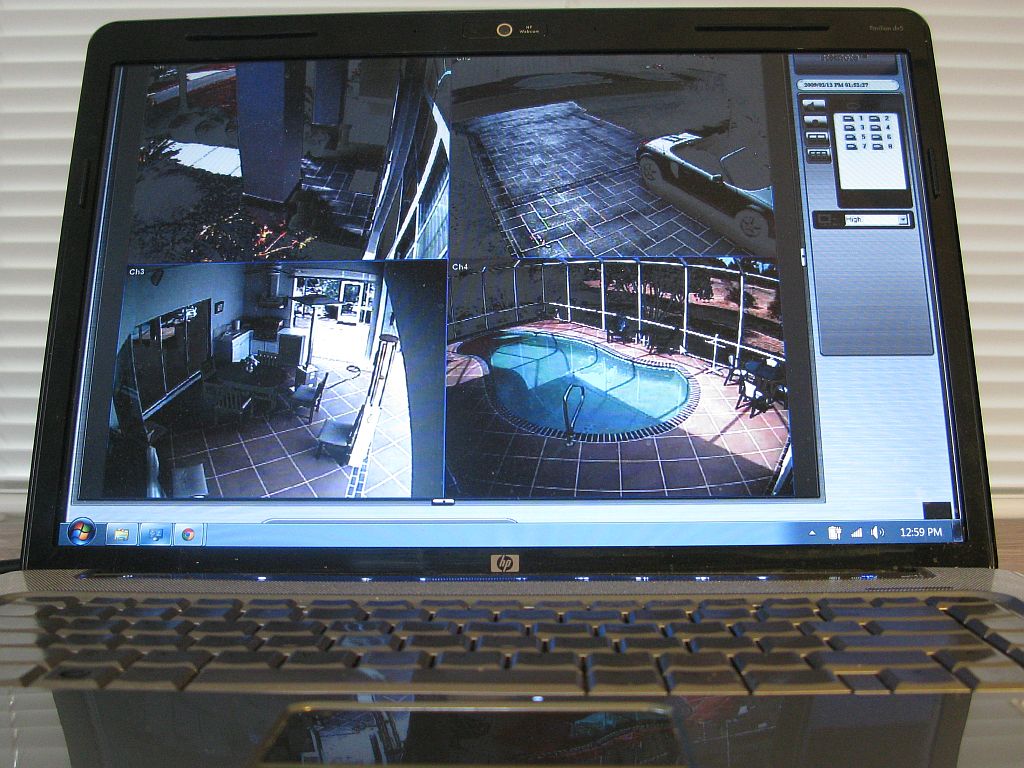
The family told CBS Los Angeles that they only discovered the intrusion the next morning, when the wife noticed the front door slightly ajar and pulled up the overnight recordings. In the surveillance video, the intruder does not open drawers or reach for electronics. He walks through the home and leaves. The family said the intruder passed within feet of their sleeping children, and that police confirmed nothing was missing.
“That almost makes it worse,” the husband told CBS LA. “If he took the TV, at least you’d know why he was there.”
South Boston: waking up to a stranger in the bedroom
In South Boston, police responded to a Sunday morning call from a man who said he woke up to find an unknown person standing in his bedroom. According to local reports, officers treated the encounter as a break-in despite the resident confirming that no property was missing. A separate account from the same neighborhood described a similar incident on East Sixth Street, where Boston Police classified the presence of a stranger in a sleeping resident’s room as a high-risk situation regardless of whether anything was taken.
Under Massachusetts law, entering an occupied dwelling without permission at night can be charged as burglary even if nothing is stolen. The statute focuses on unauthorized entry, not on whether property changes hands.
Why “nothing stolen” does not mean “no harm”
Criminal law in most states does not require theft for a break-in to be prosecuted as burglary. The legal threshold is typically unauthorized entry into a structure with the intent to commit a crime inside, and in many jurisdictions, the act of entering an occupied home at night is treated as an aggravating factor on its own.
But the legal framework only captures part of the picture. Research published in the Journal of Traumatic Stress has found that victims of residential burglary frequently report symptoms consistent with post-traumatic stress disorder, including hypervigilance, sleep disruption and persistent anxiety about being in their own homes. Those effects can be amplified when the intruder’s motive is unclear, because the lack of an obvious explanation removes the victim’s ability to rationalize the event.
Dr. Art Lurigio, a criminologist at Loyola University Chicago who has studied the psychological impact of property crime, has noted in published interviews that “the violation of personal space is often more damaging than the loss of property.” When nothing is taken, victims are left without a narrative that makes sense, which can make recovery harder.
What homeowners can do
Law enforcement agencies across the country offer consistent guidance for residents concerned about unauthorized entry:
- Lock all entry points every night, including windows, sliding doors and garage access doors. The Leimert Park intruder appeared to enter through an unlocked or poorly secured door.
- Install motion-activated security cameras at entry points. In the Leimert Park case, the family’s cameras were the only reason they knew the intrusion had occurred.
- Do not confront an intruder if it can be avoided. The Oklahoma City homeowner’s decision to call 911 rather than physically engage is what police recommend in most situations.
- Report every incident, even if nothing is missing. Police say unreported break-ins make it harder to identify repeat offenders and allocate patrol resources.
For the families in these cases, the advice comes after the fact. Their doors are locked now. Their cameras are on. But the feeling of safety they had before someone walked through their home uninvited has not come back as easily.
More from Decluttering Mom: