


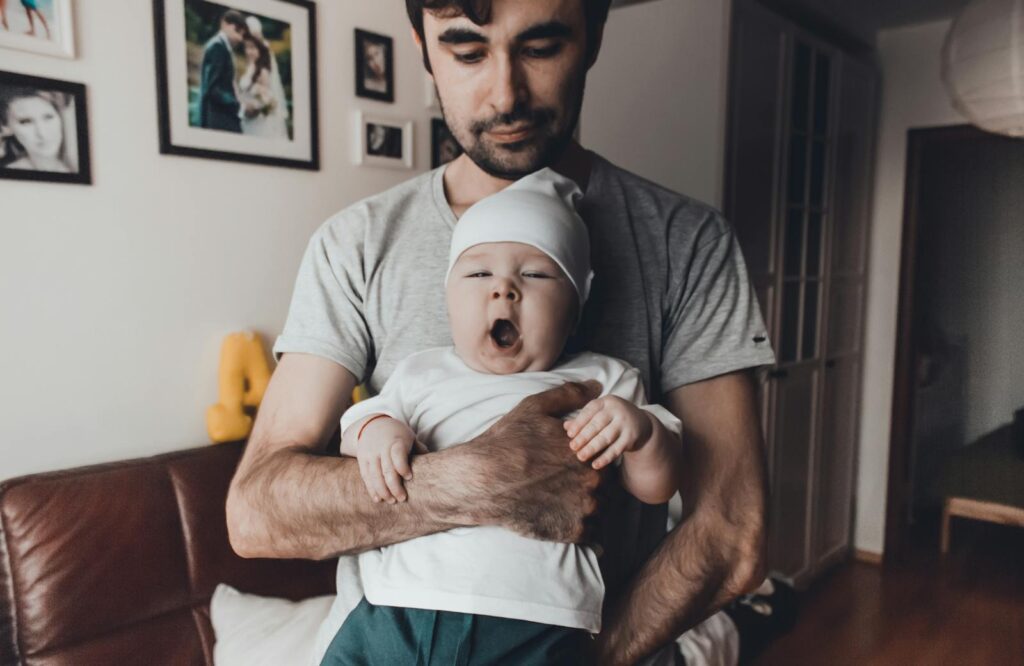
A father recently opened up about struggling with the transition from one child to two, admitting he feels guilty for wanting things to return to how they were before his second baby arrived. The dad posted on Reddit just days after welcoming his newborn, explaining that he had grown comfortable with the routine he had established with his daughter over the past few years. His honest confession about feeling “in over my head” and wanting to go back to life with just one child has resonated with many parents who have experienced similar struggles.
The father described how he and his wife had built what felt like an easy rhythm with their first child, who was born during the COVID-19 pandemic. With both parents working from home, they had plenty of time to bond with their daughter and eventually established a solid routine that gave them downtime once she went to bed at 8 p.m. The arrival of baby number two shattered that comfortable pattern, bringing double the laundry, double the attention needed, and what he called “double the responsibilities.”
His story has sparked conversations about second child regret, a topic that many parents experience but few openly discuss. While he emphasized his love for his newborn, the dad’s raw admission reveals the real challenges families face when expanding from one child to two.

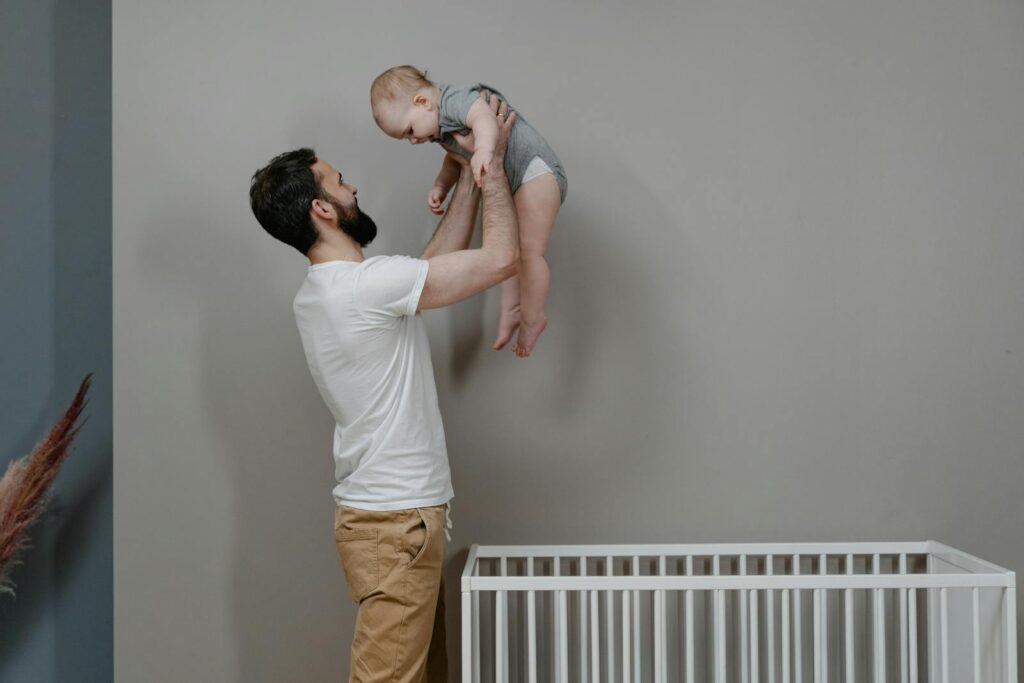
Facing Regret and Guilt After a Second Child
The shift from one child to two brings unexpected emotional weight for many parents. What seemed manageable with a single child becomes overwhelming when juggling the needs of two, leaving some parents grappling with feelings they never anticipated.
The Emotional Rollercoaster of Adding a Second Child
Parental regret after having kids hits harder than many expect, especially when it centers on a second child. The father of two young boys described feeling “ashamed and guilty” about wishing he’d stopped at one, a thought that crosses his mind roughly once a week. He watches his partner praise him as a fantastic dad while hiding his true feelings.
The weight of these emotions creates a complicated internal struggle. He loves both his sons deeply but finds himself convinced that “a terrible tragedy is about to happen” as punishment for his negative thoughts. This kind of magical thinking intensifies the guilt, creating a cycle where he feels bad about feeling bad.
Common emotional responses include:
- Shame about not feeling grateful
- Fear of admitting regret to a partner
- Guilt that conflicts with genuine love for children
- Anxiety about being judged as a bad parent
Why Life Feels Simpler With One Child
Before the new baby arrived, this father felt “relatively free and relaxed” in ways that vanished after his second son’s birth. The difference wasn’t subtle. With one three-year-old, he maintained friendships, had time outside work, and shared laughs with his partner about topics beyond parenting.
Second child regret appears frequently in parenting forums, with some parents posting shockingly honest descriptions of their struggles. The math is simple but brutal: two children don’t double the work, they multiply it. One parent can watch one child while the other takes a break, but two young kids require constant tag-teaming.
The relationship dynamics shift too. His wife now talks “absolutely endlessly” about their sons, replacing the connection they once shared.
Grappling With Lost Routines and New Responsibilities
His entire identity became wrapped up in caring for two boys under four. The bedtime routine that once felt manageable stretched into an exhausting marathon. Friends started disappearing because parenting became so all-consuming he couldn’t maintain those relationships.
The workload doesn’t just increase—it fundamentally changes the household rhythm. Where one child allowed for predictable patterns, two create chaos as their different needs collide. Nap times rarely align. One child’s meltdown triggers the other’s.
Personal time evaporated completely. Activities he once enjoyed—walks, sports, casual pub visits—became impossible luxuries rather than regular occurrences. The loss extends beyond hobbies to his sense of self as an individual rather than just a caregiver managing constant demands.
Coping With Change and Finding Balance
The shift from one child to two often feels exponential rather than additive. Parents find themselves navigating altered household rhythms while managing the emotional needs of multiple children and themselves.
Adapting to New Family Dynamics
When adding a second child to the family, many fathers discover that their carefully constructed routines crumble almost immediately. One parent might handle bedtime for the toddler while the other feeds the newborn, creating a divide-and-conquer approach that becomes the new normal.
The logistics multiply in unexpected ways. Double the laundry piles up faster than anticipated. Meal times become staggered events rather than family gatherings. Some fathers report feeling like they’re running a logistics operation instead of a household.
Family dynamics shift dramatically as parents reassess their roles and responsibilities. Partners who previously shared duties equally may find themselves specializing in different areas out of necessity. One dad from California noted that parenting two children required far more strategic thinking than he expected, from scheduling conflicts to deciding which battles actually mattered.
Managing Parental Burnout and Overwhelm
The exhaustion hits differently with two children. Studies reveal that new dads experience complex emotions including guilt and feeling sidelined, but these feelings intensify when juggling multiple kids.
Many fathers underestimate the energy drain. One Oregon dad admitted he initially felt guilty about asking for help, believing he should handle everything himself. He eventually recognized that caring for himself meant showing up better for his family.
Parental burnout becomes a genuine concern as fathers struggle to meet everyone’s needs simultaneously. Some report barely having time alone for more than a few minutes. The mental load of tracking two different schedules, developmental stages, and emotional states proves more taxing than the physical demands.
Strategies for Maintaining Connection With Your Firstborn
The older child’s reaction to a sibling often catches fathers off guard. One Connecticut dad discovered his five-year-old daughter felt ignored after her brother’s arrival, though she didn’t express it directly at first. She grew quiet and withdrawn until her parents asked what was wrong.
Making the firstborn feel included requires intentional effort. Some fathers carve out dedicated one-on-one time with their older child, even if it’s just fifteen minutes before bed. Others involve their toddler in caring for the baby through small tasks like fetching diapers or choosing outfits.
The emotional reality for older siblings can be intense. They may initially show excitement that fades into resentment as they watch parents devote attention to the newborn. Fathers who acknowledge these feelings and validate them tend to navigate the transition more smoothly than those who expect automatic sibling harmony.
More from Decluttering Mom: