


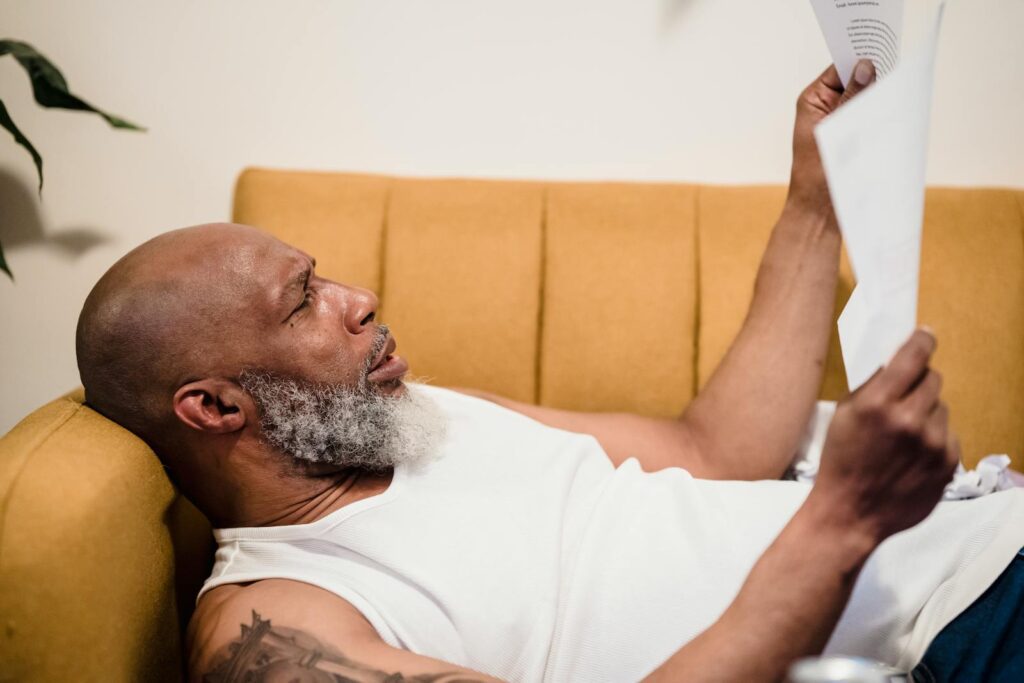
A father struggling with painful memories from his parents’ divorce now worries that his wife’s frequent yelling at their 4-year-old daughter could create the same kind of lasting emotional wounds he carries. The man finds himself caught between supporting his wife and protecting his child from the type of household tension that shaped his own anxious, conflict-averse personality decades later.
His childhood was marked by constant screaming matches between his parents before their eventual split, and he recognizes unsettling similarities in how his daughter flinches and withdraws when her mother raises her voice. The father questions whether he’s being overly sensitive because of his own unresolved trauma or if his instincts are correct that this pattern could harm their daughter’s emotional development.
The situation raises difficult questions about how childhood trauma can echo across generations and whether parents can break cycles they experienced growing up. While his marriage remains intact, the father wonders if the emotional atmosphere in their home might be creating similar repressed childhood trauma for his daughter that he still struggles with as an adult.


How Divorce and Childhood Trauma Echo Across Generations
The father’s own experience of his parents’ divorce as a child shapes how he perceives conflict in his current marriage, creating fears that his daughter might develop similar emotional wounds from witnessing her mother’s anger.
The Father’s Lasting Memories and Their Influence
The father carries vivid memories from his childhood when his parents’ marriage fell apart. He remembers the yelling, the tension in the house, and the feeling of helplessness as a young child watching adults he loved hurt each other with words.
These memories didn’t fade with time. Instead, they became part of how he processes conflict as an adult. When his wife raises her voice at their 4-year-old daughter, he doesn’t just hear the present moment—he hears echoes of his own past.
Research shows that parental divorce is classified as an Adverse Childhood Experience, which can have lasting effects on how children develop emotionally. The father’s reactions to his wife’s parenting style stem directly from these unresolved childhood experiences.
Childhood Trauma and Patterns in Adult Relationships
Adults who experienced divorce as children often carry specific sensitivities into their own marriages. The father’s heightened awareness of conflict isn’t random—it’s a pattern rooted in his developmental years.
He finds himself hyper-vigilant during arguments, monitoring not just what’s said but how it’s said. This vigilance comes from having learned as a child that raised voices could signal the breakdown of family stability. Generational trauma involves patterns that persist across multiple generations, often connecting to specific traumatic experiences in family history.
The father’s relationship with his wife carries the weight of his parents’ failed marriage, even though the circumstances are different. He struggles to separate his wife’s occasional frustration from the chronic conflict that defined his childhood home.
Fears of Repeating Parental Dynamics With Children
The father watches his daughter’s face when his wife yells, searching for signs of the same fear and confusion he felt decades ago. His primary concern centers on whether his 4-year-old will internalize these moments the way he did.
He worries that she’ll grow up with the same anxious response to conflict, the same tendency to shut down when voices rise. Trauma can be passed down through biological, psychological, and social pathways, fundamentally altering how future generations process stress and build relationships.
The father sees himself in his daughter’s reactions. When she becomes quiet after being yelled at, he recognizes that withdrawal—it’s exactly what he did as a child. This recognition intensifies his fear that his family history is repeating itself, even though his marriage hasn’t ended in divorce like his parents’ did.
Recognizing and Breaking the Cycle for Your Daughter’s Well-Being
Parents who experienced divorce and conflict in childhood often find themselves hyperaware of similar patterns emerging in their own homes. Research shows that witnessing parental yelling and discord can affect children’s emotional development in ways that mirror the father’s own childhood experiences.
Emotional Impact of Parental Conflict and Yelling on Young Children
Four-year-olds absorb more from their environment than many parents realize. When a child hears frequent yelling between parents or directed at them, their developing brain registers it as a threat. The fear response activates even when the anger isn’t aimed directly at them.
Studies on childhood trauma indicate that repeated exposure to parental conflict creates lasting changes in how children process stress. A preschooler witnessing regular heated arguments may develop heightened anxiety or difficulty regulating their own emotions. These patterns can persist into adulthood, much like the father’s lingering memories of his parents’ divorce.
The impact differs from physical discipline in that it’s often invisible. Children who fear their parent lose their safest place in the world, creating confusion about what relationships should look like. Young children struggle to understand that a parent’s anger stems from stress or other factors unrelated to them.
Tools and Strategies for Healthier Communication
Families dealing with frequent yelling often benefit from establishing specific patterns before conflicts escalate. Some couples create signals to pause heated discussions when a child is present. Others practice taking conscious breaths before responding when tensions rise.
The father’s awareness of his childhood wounds gives him insight into what his daughter might experience. Parents in similar situations sometimes track their triggers to identify what situations lead to raised voices. They notice patterns like stress from work bleeding into home life or certain topics that consistently spark arguments.
Communication shifts happen gradually. One approach involves parents agreeing to table discussions until children are asleep or occupied elsewhere. Another focuses on lowering volume even when disagreeing, modeling that conflict doesn’t require yelling.
Seeking Help: Support, Therapy, and Community Resources
Many fathers hesitant to repeat their childhood experiences turn to professional guidance. Therapists specializing in family dynamics help parents understand how past trauma influences present reactions. These sessions often reveal unconscious patterns that neither parent recognized.
Couples therapy provides a neutral space for addressing communication problems before they deepen. Some families also explore individual therapy for the parent carrying childhood wounds. Healthcare providers can assess whether past experiences contribute to current stress or anxiety levels.
Community resources like parenting groups offer peer support from others navigating similar challenges. These connections remind parents they’re not alone in working to create healthier patterns than what they experienced.
More from Decluttering Mom: