


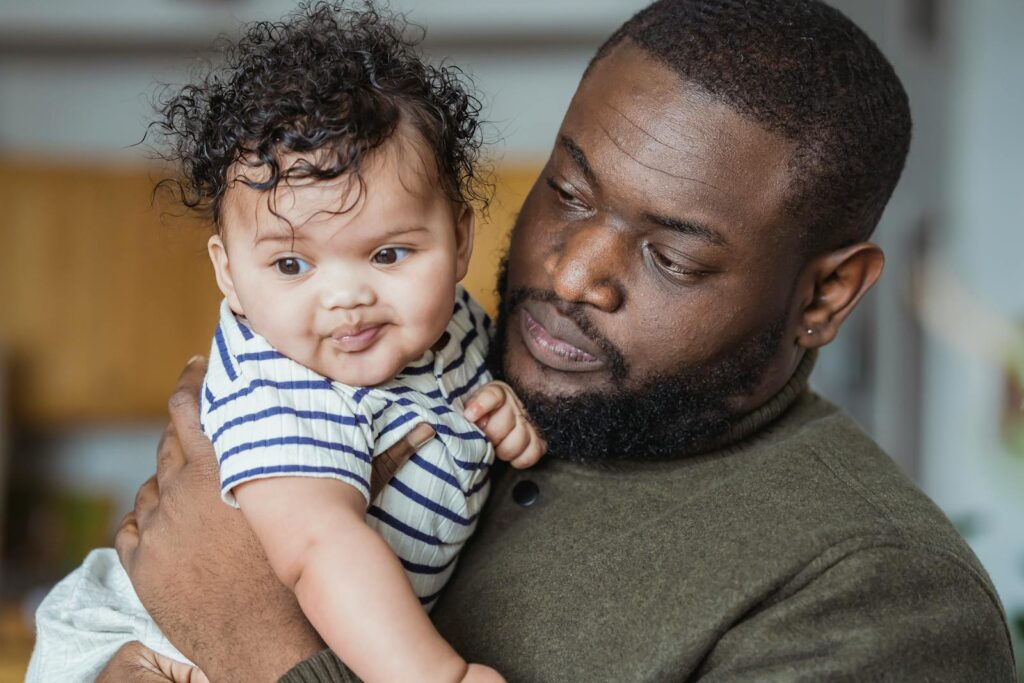
A father recently shared his frustration after family members repeatedly referred to his mixed-race newborn son as “the Chinese baby,” raising concerns about how these labels might affect his child’s sense of identity and belonging. The father worries that this pattern of racial categorization by relatives will lead his son to grow up feeling judged and reduced to his ethnicity rather than being seen as a complete individual.
The situation highlights tensions that can arise when families struggle to navigate conversations around race and heritage, particularly with multiracial children. Rather than celebrating the baby’s arrival with his given name, some relatives defaulted to using racial descriptors that made the father uncomfortable.
His story touches on broader questions about how cultural stereotypes and family dynamics shape a child’s developing sense of self. The father’s concerns reflect the experiences of many parents raising mixed-race children who want their kids to feel valued for who they are beyond surface-level categorizations.

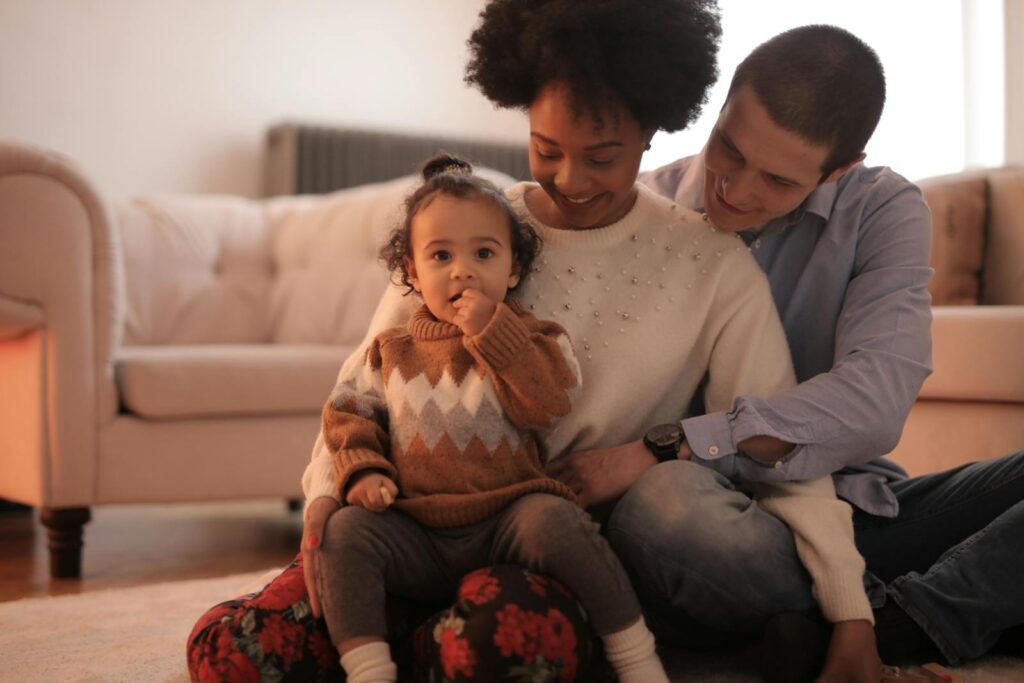
Facing Racial Labeling in the Family: A Father’s Story
A father’s concerns about his mixed-race newborn being repeatedly called “the Chinese baby” by family members highlight tensions around racial identity, parental anxiety, and generational divides in how families discuss heritage and appearance.
Mixed-Race Identity and Early Labeling
The father expressed frustration that his family members consistently referred to his newborn son using the phrase “the Chinese baby” rather than the child’s actual name. His wife has Chinese heritage from southern China, making their son biracial. The repeated use of this label troubled him because it reduced his child’s identity to a single racial characteristic.
He worried this pattern would continue as his son grew older. The father feared his child might internalize these comments and feel like an outsider within his own family. Rather than being seen as a complete individual, the baby was being defined primarily by his Chinese ancestry.
The situation became more uncomfortable because family members seemed unaware their language was problematic. They appeared to view the nickname as harmless or even endearing. The father, however, saw it as reducing his son’s complex identity to one dimension before he even had a chance to develop his own sense of self.
Impact on Parents and Emotional Wellbeing
The ongoing labeling created significant stress for both parents. The father found himself constantly correcting family members and explaining why their language was hurtful. This pattern wore on him emotionally, transforming what should have been joyful family gatherings into sources of tension.
His wife experienced the situation differently as someone of Chinese heritage herself. The couple had to navigate not only their family’s behavior but also their own feelings about how their son’s racial identity was being discussed and perceived. The father’s protective instincts clashed with his desire to maintain family harmony.
He questioned whether he was overreacting or if his concerns were legitimate. The uncertainty added another layer of emotional burden as he tried to balance standing up for his son while avoiding unnecessary conflict with relatives he otherwise cared about.
Family Dynamics and Generational Perspectives
The relatives using this language came from an older generation with different attitudes about discussing race and ethnicity. What they considered a simple observation or term of affection struck the father as insensitive and potentially damaging. This generational gap made addressing the issue more complicated.
The family had welcomed the engagement and marriage between him and his wife, which made the current situation more confusing. He hadn’t anticipated that acceptance of the relationship wouldn’t automatically translate into sensitivity about their child’s mixed heritage. The disconnect between supporting the couple and properly acknowledging their son’s identity created ongoing friction.
Extended family members seemed resistant to changing their language patterns. When confronted, some dismissed his concerns or suggested he was being too sensitive. This response deepened his worry that his son would grow up feeling judged or othered by the very people who should provide unconditional acceptance.
Understanding Cultural Stereotypes and Identity Formation
Racial labels applied to children carry historical weight and shape how multiracial individuals perceive themselves from their earliest years. The terminology families use reflects deeper patterns of stereotyping that have persisted across generations.
Historical Stereotyping and Its Effects
The phrase “Chinese baby” used by the father’s family members echoes troubling historical patterns. In 19th century medical literature, physicians documented neighbors referring to children with Down syndrome as “Chinese babies” based on facial features they deemed similar to Asian characteristics. This type of racial categorization reduced individuals to superficial physical traits.
During the same era, Chinese workers faced dehumanizing comparisons in American culture. The terminology conflated ethnicity with otherness, marking anyone perceived as Asian as fundamentally different from white Americans. These historical echoes persist when family members reduce a mixed-race child to a single ethnic label rather than acknowledging his full identity.
The repetition of such phrases normalizes the idea that being part Asian requires special designation while whiteness remains unmarked and assumed as default.
The Role of Language and Names in Identity
Language shapes how children understand their place in the world. When relatives consistently use “the Chinese baby” instead of the child’s actual name, they strip away his individual identity. The definite article “the” particularly signals othering, treating the infant as a category rather than a person.
Chinese identity itself encompasses tremendous diversity that simple labels erase. China contains speakers of Mandarin, Cantonese, and numerous other dialects. The Chinese language uses distinct tones that change meaning, and Chinese characters represent one of the world’s oldest writing systems. Chinese literature spans thousands of years across vastly different regions and traditions.
Reducing this complexity to “Chinese” as a descriptor treats an entire civilization as monolithic. It ignores whether the child has any actual connection to Chinese heritage specifically or represents other East Asian backgrounds.
Challenges of Growing Up Multiracial
Mixed-race children navigate questions about their appearance throughout childhood. Research on Asian American adoptees shows that not “looking like” parents becomes particularly acute when children enter school settings. The disparity between their features and their family members’ becomes publicly visible in ways it wasn’t within the home.
Children internalize how relatives speak about them. A label like “the Chinese baby” suggests that his Asian heritage represents his defining characteristic rather than one aspect of who he is. This can create internal conflict as he tries to reconcile multiple parts of his background.
Western education systems often force multiracial students into single-race categories on forms and in social dynamics. Political science researchers have documented how these classifications fail to capture the reality of mixed heritage, yet institutions continue using them.
Building Inclusive Family Narratives
The father’s concern reflects awareness that family language patterns set the foundation for his son’s self-concept. Children absorb messages about their worth from their earliest interactions with relatives. When certain family members consistently emphasize racial difference through their choice of words, they communicate that the child doesn’t fully belong.
Some extended family members may use such phrases without recognizing the impact. They might view “the Chinese baby” as descriptive rather than exclusionary. Others may resist acknowledging the child as fully part of their family due to his appearance.
The repetition suggests a pattern rather than isolated incidents. Each use reinforces the message that this child’s mixed heritage marks him as separate from the rest of the family unit, potentially affecting his sense of security and belonging for years to come.
More from Decluttering Mom: