


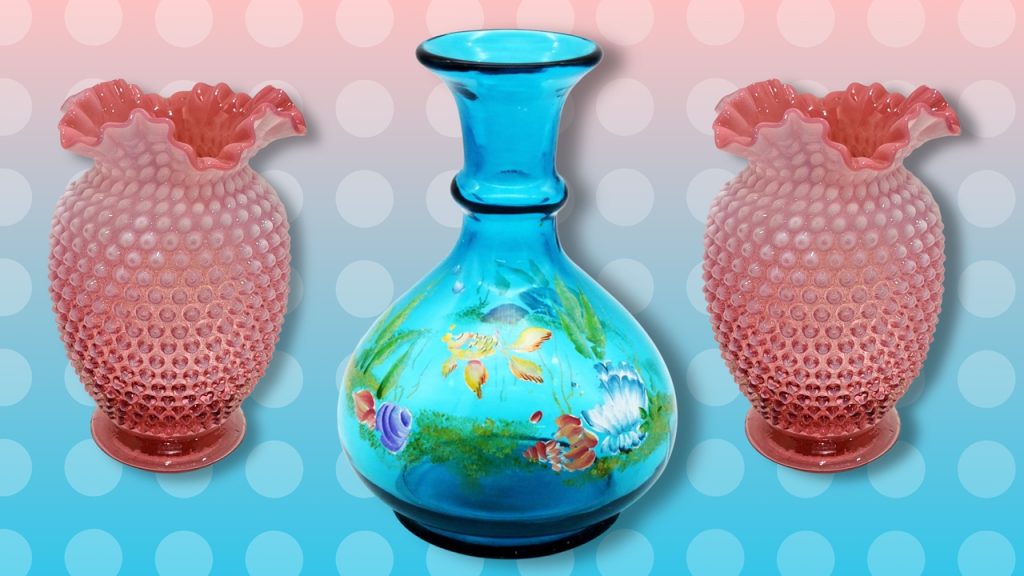
In the world of collectible glassware, Fenton Art Glass holds a place of prominence. With its myriad of colors, intricate designs, and distinctive marks, it’s no wonder that collectors are always on the hunt for these timeless pieces. But do you know how to identify and value these treasures? Let’s delve into the fascinating world of Fenton Art Glass, where you’ll learn about its marks, colors, and the current values of these cherished collectibles. This article is based on real-world trends, expert insights, and trusted sources to give you the most accurate and exciting information.
1. Fenton Art Glass Marks

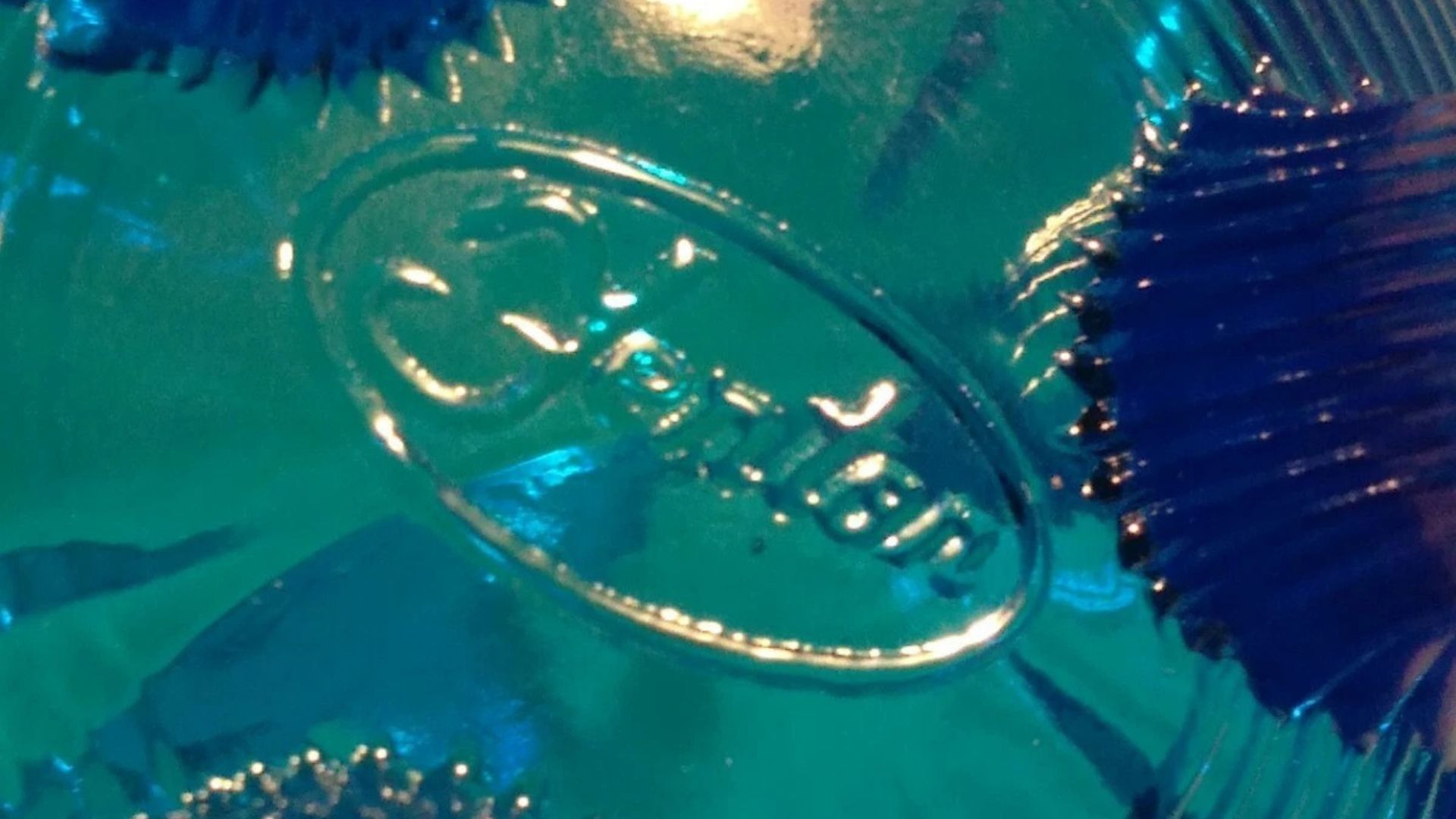
Understanding the different marks used by Fenton Art Glass is key to authenticating your pieces. Earlier Fenton glass often carried paper/foil labels; later production commonly shows a raised oval “Fenton” logo, and beginning in the 1980s a tiny decade number was added (8 for 1980s, 9 for 1990s, 0 for 2000s, 1 for 2010s). For clear overviews with examples, see The Spruce Crafts’ Fenton ID & Value guide, plus this handy collector references on marks and decade numbers: Dave Doty’s maker marks (carnival glass).
Note on “seconds” marks: pieces sold as preferred seconds in the gift shop were sandblasted with a star from mid-1996 to July 1998; after that an “F” was used. See the date ranges summarized here: Fenton maker-marks summary (Wikipedia) and a collector explainer: TGL Direct: Identifying Fenton.
2. Fenton Art Glass Colors
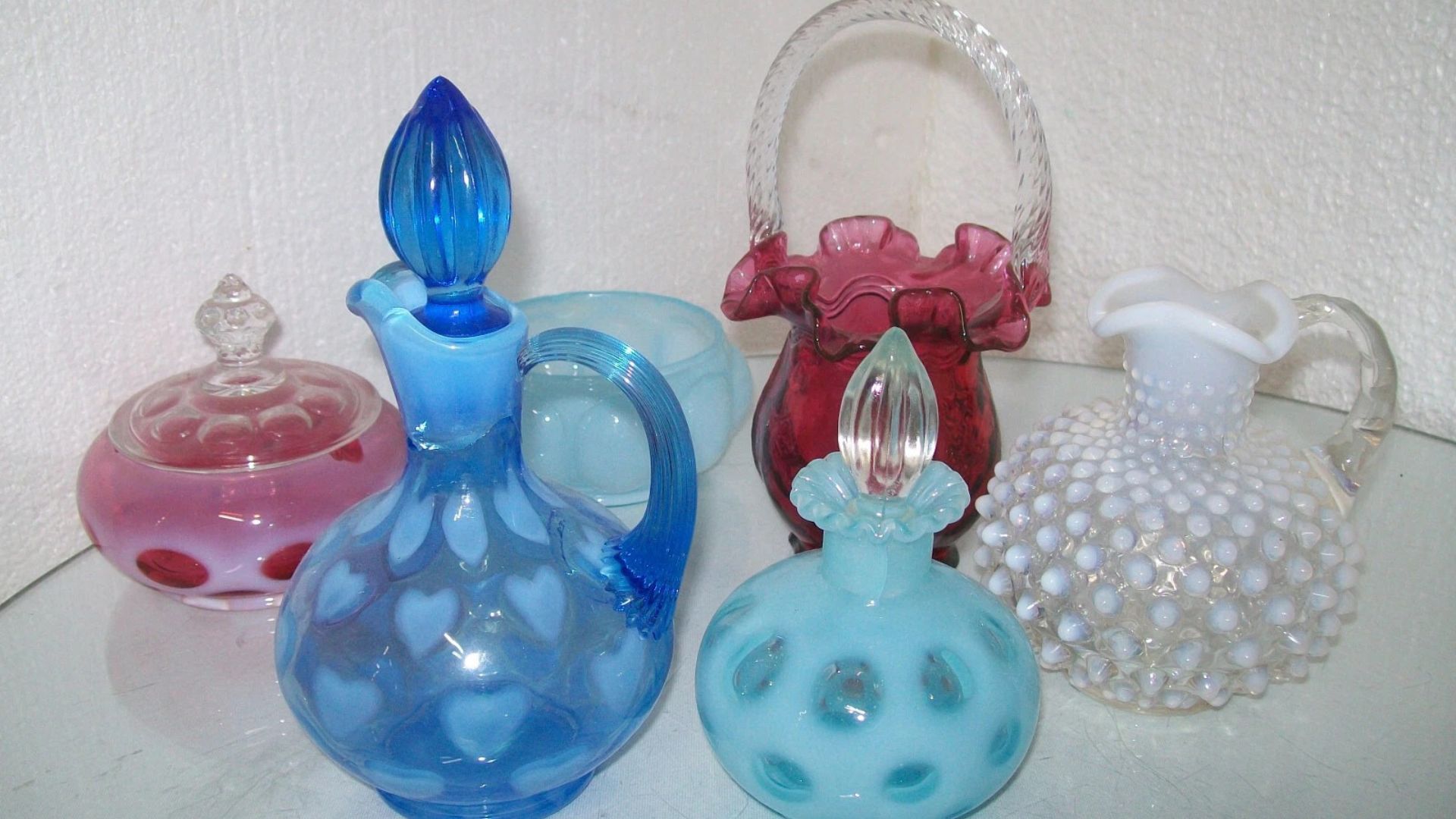
Fenton is renowned for its wide array of colors and finishes—from classic Milk Glass to iridescent Carnival and the beloved Hobnail pattern. A few collector favorites:
- Burmese — a heat-blushed yellow-to-pink glass created with uranium and gold; the pink “blush” develops with reheating. See concise background: Burmese glass (overview) and an identification guide: 20th Century Glass.
- Favrene — Fenton’s deep cobalt, silver-bearing glass known for its vivid, lustrous tones; read a museum note here: Museum of American Glass in West Virginia.
- Carnival — molded glass with an iridescent finish, made by Fenton in early decades and revived later; good context here: Carnival Glass Worldwide: Fenton Old & New and a general collector overview: Collectors Weekly: Fenton.
3. Today’s Values of Fenton Art Glass
Values vary by color, pattern, rarity, condition, and whether original marks/labels remain. Common Hobnail milk-glass pieces can sell around $10–$50, while scarce, early, limited, or artist-signed items can bring much more. For practical value context and ID tips, start with The Spruce Crafts’ guide, then browse live and completed sales for real-world pricing via Collectors Weekly’s Fenton auctions feed.
In conclusion, Fenton Art Glass continues to captivate collectors with its rich history, diverse colors, and distinctive marks. Whether you’re a seasoned collector or a novice, understanding these elements can enhance your appreciation for these beautiful pieces and help you make informed decisions in your collecting journey. So, the next time you come across a piece of Fenton glassware, take a moment to appreciate the craftsmanship that has gone into it and the story it tells. Happy collecting!