Most of us have wandered through a thrift store, picked up a shirt for a couple of dollars and wondered if it might be worth more somewhere else. One longtime reseller has built a business around that wondering, and she is very open about how the math works. Kimmy, who runs the channel Mama On A Mission, says she has been an online clothing reseller for 15 years and currently sells on six different platforms.
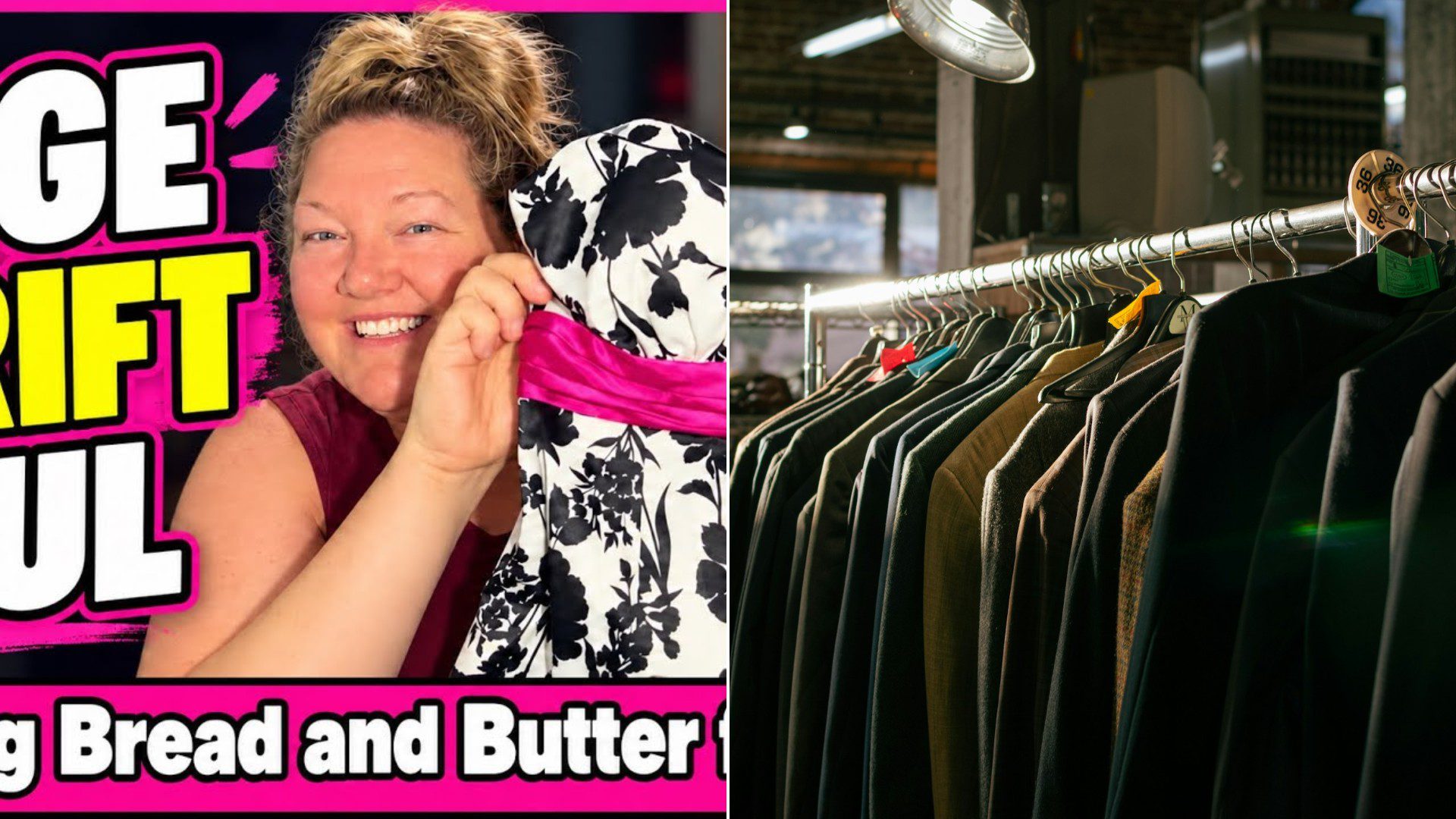
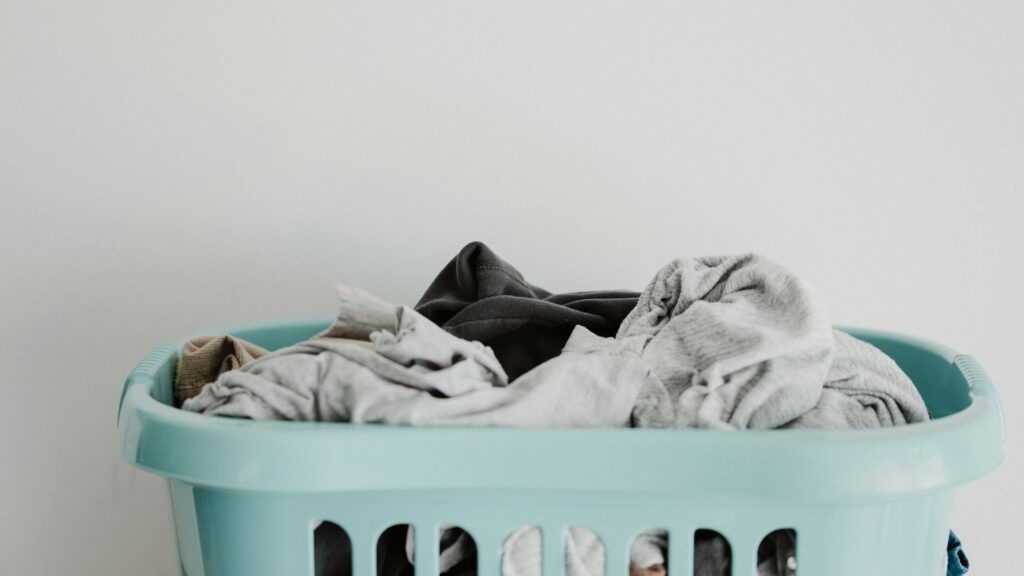
Her favorite hunting ground is the Goodwill outlet, the place where shoppers dig through giant bins piled high with clothes, shoes and whatever else turns up. Instead of paying item by item, shoppers have their cart weighed. Kimmy says she pays $1.59 per pound, as long as she hits 50 pounds. She says she always hits 50 pounds, because she wants that 40 cent per pound discount. If a shopper does not reach 50 pounds at her location, the price is $1.99 a pound.
That is the whole business model in a nutshell. Buy by the pound, pick carefully, and sell piece by piece.
Digging Through The Piles
Kimmy says about 90 percent of her inventory comes from the Goodwill outlets, and she thinks it is probably higher than that. Her business leans heavily toward clothing, and she describes piles of clothes that are feet tall. Some of them, she says, are as tall as she is, and she is five feet ten and a half.
She remembers going to the bottom of one bin and finding a pair of very cute leggings from a brand she says everyone should know. She also talks about a maxi length dress with a beautiful print in 100 percent silk, and says people search for phrases like vacation dress, tropical dress and Hawaiian style dress. She adds that a Y2K style is extremely popular right now.
Her goal is simple. She wants to pick up items from the bins for about a dollar or so and sell them for $20, which she says leaves about $15 in profit. As a small example, she mentions two pillowcases that cost her 60 cents.
Checking What Actually Sells
One thing that stands out is how much Kimmy relies on real numbers instead of hunches. She talks about one item that she believes can bring in 15 to 25 dollars, depending on size, material and pattern. Other sellers are asking between 20 and 30 dollars for the same thing. At the time she checked, there were 47 listed and 39 had recently sold. She calls that a sell through rate of around 90 percent, and says one had just sold for $22.87.
That kind of checking is the heart of reselling. A pretty item is not enough. You want to know that real people are buying the same thing right now, not just that someone is hoping to sell it.
She also admits she has had to adjust her buying habits. There are some things she does not love listing, like long, full one piece jumpsuits, so she is trying to focus on items she enjoys listing and that will not just sit around forever and never get posted. It is a good reminder that the best thing to buy is not always the thing with the highest price tag. It is the thing you will actually get photographed, described and out the door.
And not every find is a glamorous one. Kimmy also recalls a Milwaukee Tool polo shirt that made her stop and ask how often she actually sells one of those. Sometimes the fun of the hunt is the unexpected item that makes you stop and think.
What You Can Take From This
You do not have to sell on six platforms to learn something from her approach. If you are decluttering your own closet, or thinking about trying a little resale on the side, a few of her habits are worth borrowing.
- Know your cost before you buy. Kimmy has a clear target of turning a dollar item into a $20 sale, so every pick has to make sense against that number.
- Check what has actually sold, not just what is listed. Asking prices can be wishful, while sold listings show what buyers really paid.
- Look at the fabric tag. Material can change the value of a piece, and Kimmy specifically points out a dress in 100 percent silk.
- Pay attention to what shoppers are searching for. Trends matter, and she says a Y2K style is popular right now.
- Buy what you will be willing to list. An item that sits in a pile for months is money tied up.
If you have a bag of nice clothes in your own closet that no longer fit or suit you, those same ideas apply on the selling side. Look at what similar items have sold for, take clear photos, and write a title with the words a buyer would actually type into a search box.
A Fair Warning
Kimmy has done this for 15 years. Digging through bins takes patience, a strong back and a good eye. Her numbers also depend on her local outlet and how its pricing works, so what she pays by the pound may not match what you would pay near you. Prices and rules differ from one Goodwill location to the next, so it is worth checking yours before you plan a big trip.
Still, the idea behind her haul is something almost anyone can use. A little research, a clear goal and a willingness to dig can turn a very small purchase into a nice return. Even if you never buy a single pound of clothing from a bin, the next time you pick up something at a thrift store you might ask yourself the same questions she does. What did this cost, what is it really worth, and will it sell?
For more of her haul, you can find it on Mama On A Mission, where she walks through what she found, what she paid and what she hopes it will sell for.
More Stories You May Like
- How to Thrift Things That Actually Sell Is Explained by a Reseller Who Says Most People Buy the Wrong Items
- Holding Onto Things Out of Guilt Feels Bad but One Woman Says It Feels Even Worse to Finally Let Them Go
- Seven Items That Sell Almost Instantly Are Listed by a Reseller Who Says Most People Do Not Know What They Have