


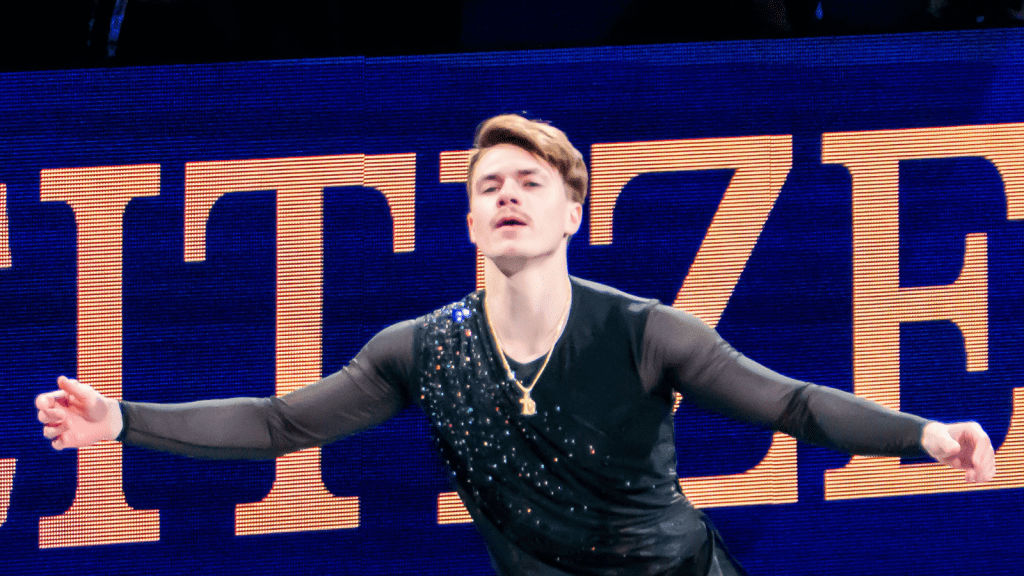
In a sport built on composure, it was the crack in that calm that told the real story. U.S. figure skater Maxim Naumov finished his short program at the national championships, then folded into himself at center ice, sobbing as the arena rose to its feet. The performance was a tribute to his parents, who died in a Washington DC plane crash one year ago, and the tears were the moment the weight of that anniversary finally spilled out in public.
What followed was not just a viral clip of a skater crying, but a portrait of an athlete trying to stitch grief and ambition into the same four and a half minutes. Naumov’s routine, his reaction, and the days that followed have turned him into one of the most quietly compelling figures in American sports this winter.
The night grief met the spotlight

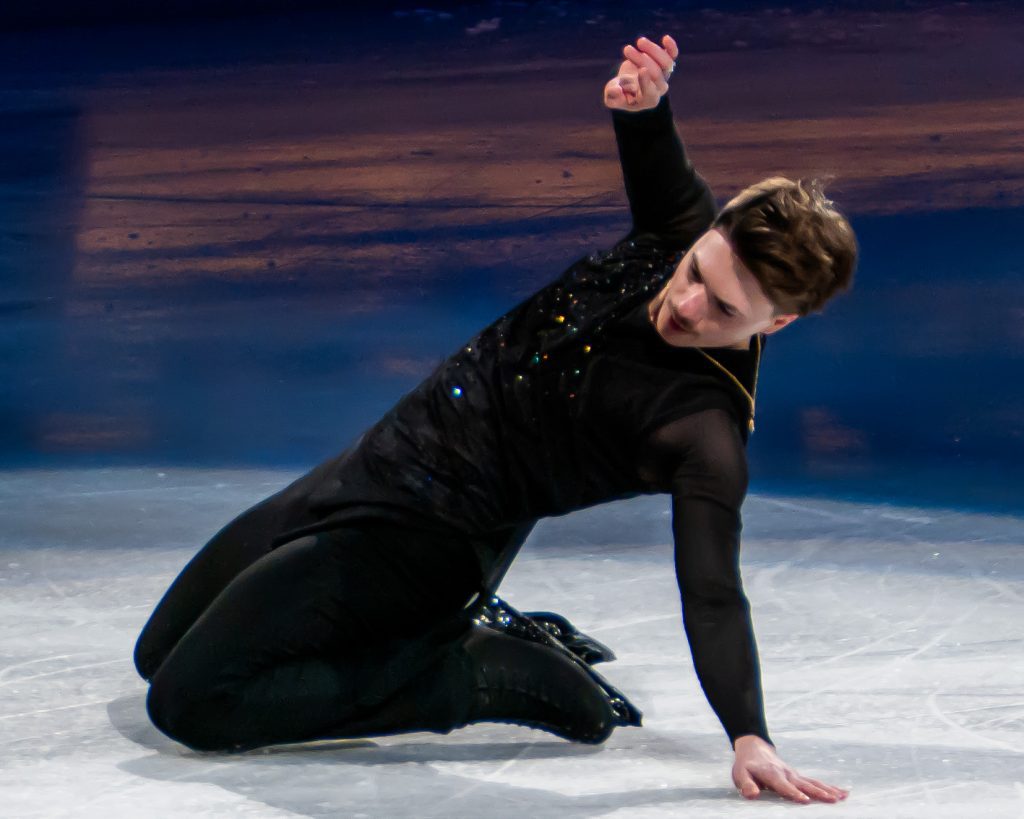
Maxim Naumov stepped onto the ice at the U.S. Figure Skating Championships carrying more than nerves. His parents, Vadim Naumov and Evgenia “Zhenya” Shishkova, were respected coaches at the Skating Club of Boston, and their deaths in a D.C. plane crash had devastated the figure skating community and left their son skating into a season that suddenly felt like a memorial. In his short program, Naumov chose music and choreography that nodded directly to their influence, turning a standard competitive skate into a personal tribute that he knew would land hardest on this first anniversary of the crash, when the loss was still raw for him and for the people who had trained alongside his family.
The performance itself was sharp and controlled, the kind of skate that shows how much work has been done in the shadows. Only when the final pose ended did the façade slip. As he waited for his scores, Naumov broke down in tears, visibly shaking while the crowd kept clapping, a scene that echoed descriptions of a figure skater who simply could not hold it together any longer. That vulnerability, on a night when he was also fighting for placement, reframed him in the eyes of fans: not just as a technically gifted skater, but as a 24-year-old trying to skate through the hardest year of his life.
Skating with ghosts, and an audience that feels it
Naumov did not hide the fact that this program was for his parents. Earlier in the week, he had already honored them with a short program that referenced their careers and the way they had shaped his own path in the sport, a choice that underscored how central their memory has become to his competitive identity. Reports from the championships noted that Figure skater Maxim was skating not just for scores, but for the two coaches who had once stood at the boards for him. That context made every clean landing feel heavier, every held edge a small act of remembrance.
The emotional impact did not stay confined to the arena. A clip shared on social media captured Maxim Naumov finishing his skate, clutching a favorite photograph of his parents, and then collapsing into tears, a moment that drew 93K likes and exactly 772 comments as fans tried to put words to what they had just watched. Coverage of the event described how Figure Skater Maxim Naumov Honors Parents In Emotional Tribute Year After Plane Crash, and how the 24-year-old became very emotional once the music stopped, a reaction that matched the rawness seen in the arena and in the viral clip shared from the emotional tribute.
From heartbreak to the Olympic roster
What makes Naumov’s story hit even harder is that this tearful tribute unfolded in the middle of a breakout season. Less than a year after the crash, he returned to the Figure Skating Championships and delivered performances strong enough to put him firmly in the conversation for the 2026 Winter Games. One detailed account of Maxim Naumov’s emotional return to US Figure Skating Championships after parents’ tragic death described how he managed to channel that grief into focus, turning a personal nightmare into a competitive edge that helped him climb the standings at the Figure Skating Championships.
That momentum carried into team selection. Maxim Naumov is now celebrating an Olympic-sized accomplishment, having been named to the 2026 U.S. Olympic team one year after his parents, Evgenia “Zhenya” Shishkova and Vadim Naumov, died in the crash near Washington DC, a milestone confirmed in reports that noted Maxim Naumov had turned the worst year of his life into the season that finally punched his ticket to the Games. Another account framed it as a NEED TO KNOW moment, emphasizing that Figure skater Maxim Naumov has made the 2026 U.S. Olympic team and that this Olympic nod arrived exactly one year after his parents died in the accident, a detail highlighted in a NEED TO KNOW breakdown of his journey.
Carrying his parents to the Games
For Naumov, making the team is not just a line on a résumé, it is an extension of the tribute that left him sobbing at center ice. One feature on Maxim Naumov Honors Late Parents at Figure Skating Championships 1 Year After Their Deaths in D.C. Plane Crash described how he spoke about feeling his parents with him on the ice, and how every routine this season has doubled as a quiet conversation with them. That same reporting noted that he framed the championships as a way to honor their memory at the Year After Their, a mindset that now stretches into his Olympic preparations.
Coaches and observers have pointed out that Naumov skates for the Skating Club of Boston, where Vadim Naumov and Evgenia Shishkova both served as coaches, and that his selection to the Olympic team has been celebrated there as a family achievement as much as an individual one. Local coverage of his nomination noted that Naumov was greeted with heartfelt admiration at the rink that had once been his parents’ professional home, a reminder that his story is woven into a larger community still processing its own loss.
Finding strength in being seen
Naumov has been candid about how exposing it feels to skate through grief in front of thousands of people. In one interview, he talked about “Sharing the vulnerability with the audience and me feeling their energy back,” describing that exchange as something he will remember for the rest of his life and as a key part of how he has managed to keep competing. That idea of mutual emotional risk, of letting the crowd see him at his lowest and drawing strength from their response, was highlighted in a profile that quoted him on Sharing the emotional load with the people in the stands.
Others around him have noticed the same shift. A detailed look at his championships performance described how, When his skate ended, and he made his way to the boards, the emotion that had been simmering all season finally surfaced, and how he has talked about finding strength and personal growth in facing that pain head-on. That piece framed the night as an emotional turning point for a U.S. figure skater learning to live with loss, noting that this was an evening when the sport’s usual polish gave way to something messier and more human, a moment captured in the way When he finally let himself cry in front of everyone.
More from Decluttering Mom: