

Your lawn can stop being a money pit and start feeding your kitchen. With grocery prices staying stubborn, swapping flower beds for food gardens gives you fresh produce at a fraction of supermarket cost.
You can cut grocery bills and enjoy truly fresh, homegrown produce by converting even a small patch of yard into a productive food garden. Practical tips in the article show how to plan raised beds, pick high-value crops, and stretch every seed into real savings.
Beyond the savings, food gardening delivers tastier meals and a calmer afternoon routine. Expect straightforward steps for starting and enjoying your garden, plus quick wins that turn flowers into vegetables without losing curb appeal.

Why Food Gardens Are Taking Over Flower Beds
Many homeowners are reclaiming lawn and flower-bed space to grow vegetables, herbs, and small fruit that cut grocery bills, improve meal quality, and add purposeful beauty to yards. Practical benefits, direct nutrition gains, and easier transitions from ornamentals to edibles drive the change.
Rising Food Prices and Household Budgets
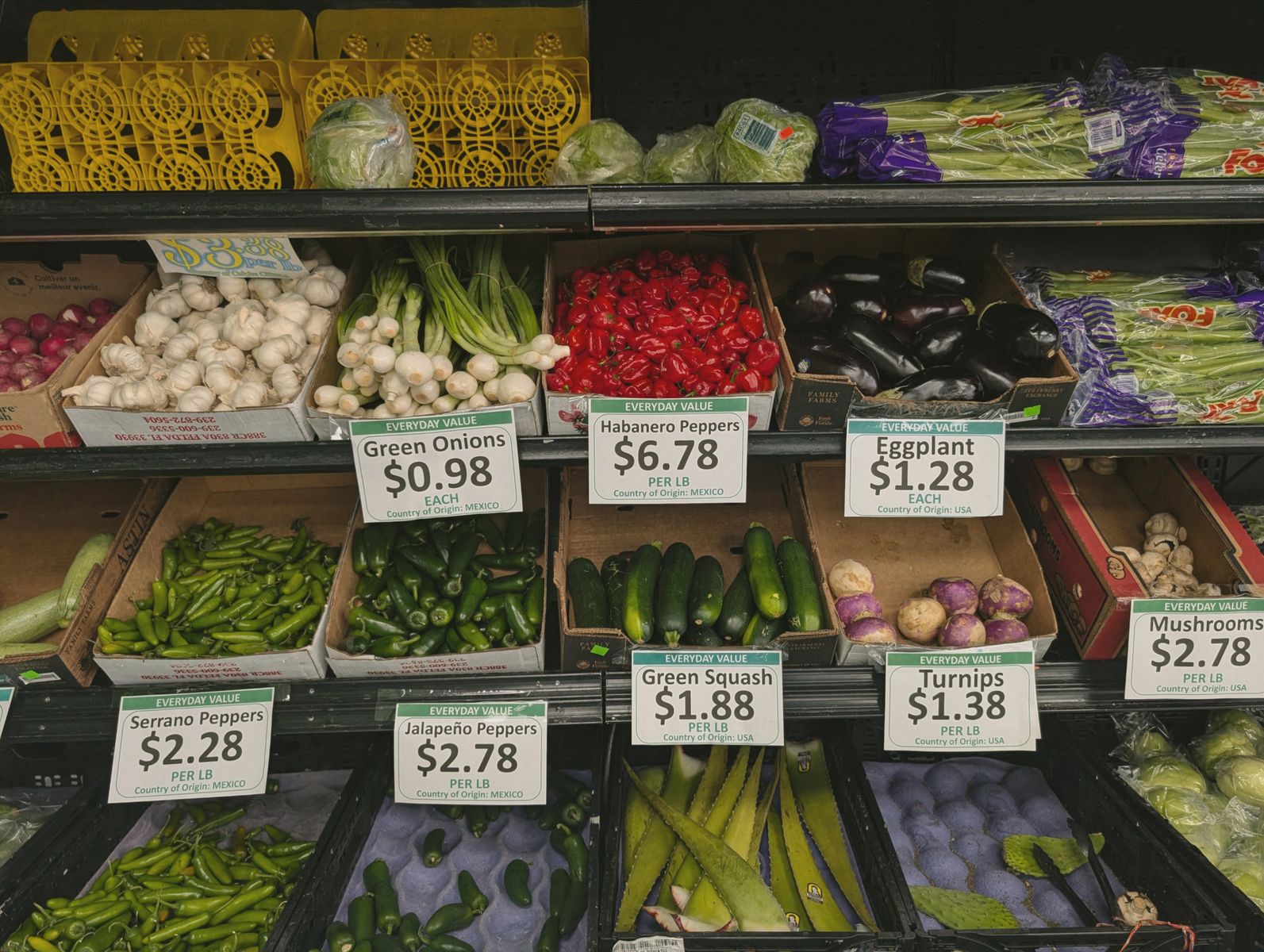
You face grocery inflation most at the produce aisle—leafy greens, tomatoes, and berries often spike seasonally. Growing even a few tomato plants, a bed of lettuce, and potted herbs can reduce weekly produce purchases and smooth price shocks.
Initial costs include soil, seeds or starter plants, and basic tools, but those expenses often pay back within a season through harvests and reduced store trips. Many gardeners report saving money on staples like basil, cilantro, and salad greens that otherwise spoil quickly at the store.
If you prioritize budget impact, focus on high-yield, high-cost items such as tomatoes, peppers, and salad greens. Plant close to the kitchen for quick harvests and less waste.
The Benefits of Growing Your Own Food
You control variety, harvest timing, and farming practices when you grow your own food. That means fresher flavor, fewer preservatives, and the option to skip synthetic pesticides and herbicides on your edible garden.
Homegrown produce typically reaches your plate the same day it’s harvested, preserving vitamins that degrade after pickup. You also gain culinary flexibility: unique heirloom tomatoes or microgreens you can’t reliably find at supermarkets.
Gardening offers non-food benefits too. Tending a backyard garden gives regular outdoor activity, reduces stress, and builds food literacy for kids. Those gains make your investment in a food garden both practical and personally rewarding.
From Flower Beds to Edible Gardens: The Transformation
Converting a flower bed to a productive food garden usually starts with soil testing and amending. You’ll check pH, add compost, and correct drainage before planting to avoid transplant shock and poor yields.
Design choices matter. Replace large ornamental groupings with raised beds, mixed borders, or container clusters that combine herbs, salad greens, and compact vegetables. Use trellises for vining crops to save space and add vertical interest.
You can maintain aesthetic value by arranging edible plants for seasonal color—strawberries, nasturtiums, and chard pair well visually with more traditional perennials. Small changes like mulching, tidy edging, and consistent paths keep the space tidy and neighbor-friendly.
Food Safety and Nutrition Advantages
You lower contamination risks when you control growing conditions. Home gardening reduces exposure to long supply chains where produce may be handled multiple times and chilled inconsistently.
Harvesting at peak ripeness improves nutrient content; vitamins like C and folate decline after harvest. When you pick fresh produce for dinner, you preserve more nutrients than store-bought items that sat in transit.
Practice basic safety: wash hands before harvest, rinse produce, avoid using untreated manure on root crops, and keep pets out of beds. Those precautions keep your homegrown produce both nutritious and safe for your family.
Starting and Enjoying a Home Food Garden
You’ll focus on easy-to-grow, snackable plants, small-space setups, creative container systems, and simple ways to harvest and eat fresh produce. Practical choices, short timelines, and low-effort recipes make the garden feel rewarding from week two onward.
Choosing What to Grow: Bite-Sized Produce and Quick Growers
Pick crops that deliver fast results and frequent bites: radishes and lettuce can be ready in 3–6 weeks, while snap peas and green bush beans start producing in 6–8 weeks. Cherry tomatoes and strawberries take longer but reward you with repeated harvests; choose patio varieties or patio-specific tomato cultivars to keep size manageable.
Herbs like basil, oregano, and chives give continuous harvests for weeks and work well in an herb garden or mixed into containers. Plant basil near tomatoes for flavor pairing and pest benefits.
Use succession planting for continuous snacks: sow a small patch of radishes or lettuce every 10–14 days. For a focused snack garden, prioritize pick-and-eat growing with bite-sized produce such as cherry tomatoes, snap peas, and mini strawberries.
Small Spaces, Big Yields: Snack Gardens and Micro-Gardens
If you have a balcony or small backyard, use grow bags on a patio and vertical supports for peas and vining beans. A single 10–15 gallon grow bag can support one zucchini or a pair of cherry tomato plants; pair that with a window box of lettuce and a pot of basil.
Micro-gardens thrive on compact varieties: choose green bush beans, patio tomatoes, and container strawberries. Consider a small fruit-bearing tree in a large pot if you want fresh fruit without a lot of ground space.
Water conservation matters: use mulch, water early in the morning, and consider a simple drip or soaker hose for consistent moisture. These steps save water and keep snack gardens productive for urban-dwelling growers.
Creative Growing Methods for Any Home
Try tiered containers, pallet planters, or hanging baskets to multiply planting area. Grow bags let you move plants to catch sun and are inexpensive for experimenting with different patio varieties.
Use interplanting to maximize beds: plant basil between tomatoes, radishes between rows of lettuce, and peas at the back of a raised bed for vertical interest. Kitchen minis—small windowsill herb pots—provide basil, parsley, and chives for immediate use.
If space is extremely tight, build a micro-garden wall or repurpose shelving for seed trays and shallow-rooted greens. These systems work indoors under a grow light or on a sunny balcony.
Harvest, Eat, and Share: Fresh Ideas From Snackable Yields
Harvest young for best flavor: pick snap peas when pods feel full but not bulging; harvest lettuce leaves as baby greens for salads; pick basil leaves before flower buds form. Frequent harvesting encourages more production.
Use simple recipes that celebrate freshness: mini Caprese bites with cherry tomatoes, basil, and small mozzarella; no-cook refrigerator pickles made from thinly sliced radishes or cukes; quick sautéed green beans with garlic.
Share extras with neighbors or local groups, or donate surplus to community fridges. Posting progress and recipes on garden media channels or following garden influencers can give practical tips and local variety recommendations.