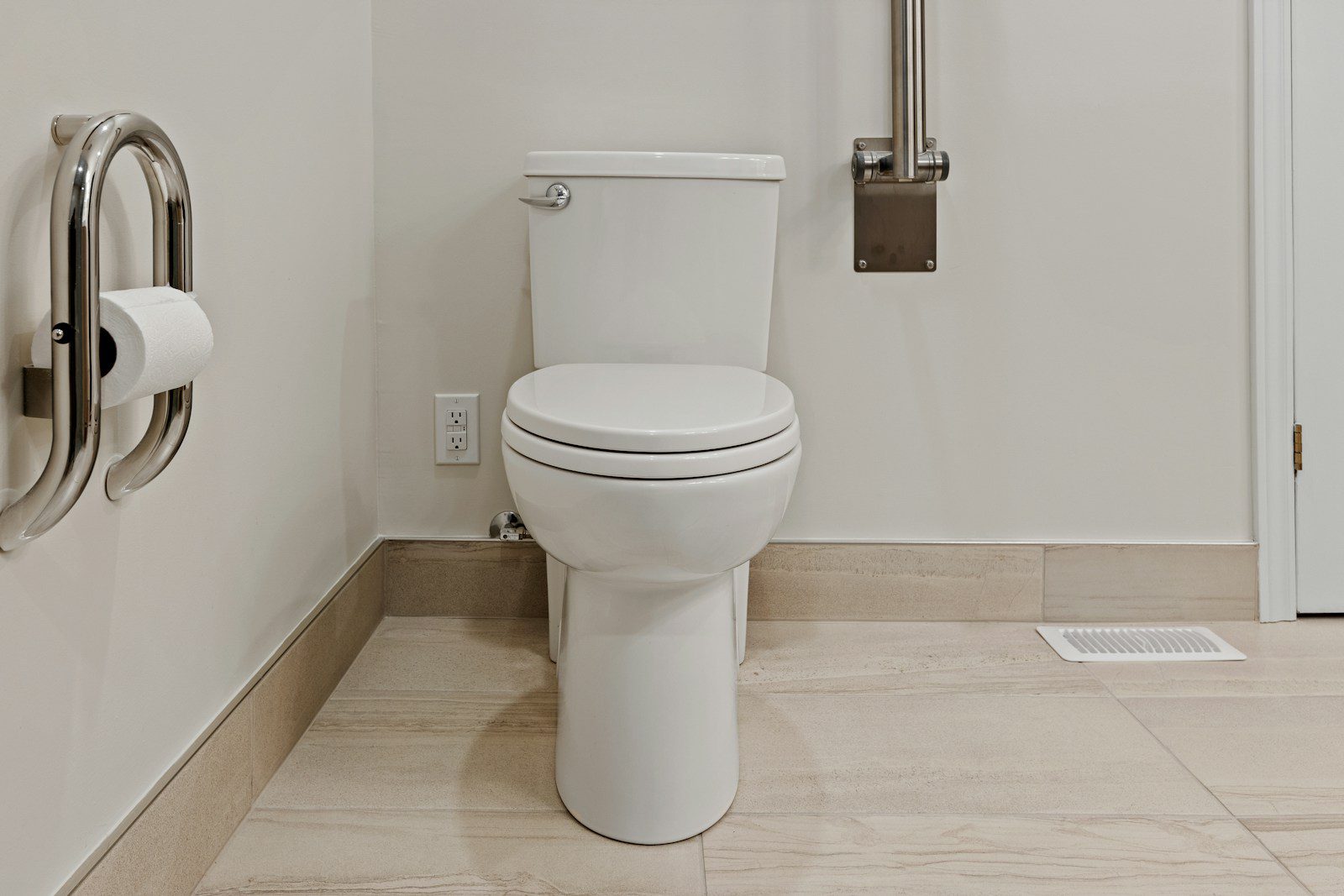
Forty percent of Americans can’t say when they last cleaned their toilet without feeling a flash of shame. Fifty-six percent feel the same dread about their refrigerator. And nearly a third would rather change the subject than admit when they last washed their sheets, according to a new national survey from the American Cleaning Institute. The numbers land somewhere between funny and a little too relatable, and they say more about how people actually live than any decluttering trend does.

The Survey, and Why the Fridge Beats the Toilet for Shame
The American Cleaning Institute, working with Wakefield Research, polled 1,000 nationally representative U.S. adults between February 4 and 12, 2026, with a margin of error of plus or minus 3.1 percentage points. The toilet figure, 40% embarrassed, has gotten most of the attention, and trade outlet CleanLink independently confirmed the same 40% figure in its own coverage of the release. But the refrigerator number is the one worth sitting with: 56% of people feel worse about their fridge than their toilet. That tracks with how most households actually operate. A toilet gets scrubbed on some rough rotation because it’s visible and used constantly. A fridge gets wiped down only when something spills or starts to smell, which means entire drawers can go untouched for months at a time.
People Aren’t Lazy. They’re Overloaded.
It would be easy to read these numbers as a story about slacking off, but that’s not really what’s happening. The same survey found 80% of Americans plan to spring clean this year, and the top reasons people gave for wanting a clean home weren’t about appearances at all. Fifty-seven percent cited decluttering and getting organized, 47% wanted the reset that comes with a new season, and 46% pointed to health and hygiene concerns. People care. What they’re short on is time, and the toilet and the fridge both fall into the category of chores that feel optional right up until they aren’t.
The Psychological Payoff Is Real
Here’s the part that should reframe how you think about the next hour you spend cleaning instead of scrolling your phone: 72% of respondents said they feel more relaxed in a clean, organized home than they do after getting a massage. Not “similarly relaxed.” More relaxed. That’s a striking claim for something as unglamorous as wiping down a fridge shelf, but it lines up with a growing body of research linking visual clutter and grime to low-grade, chronic stress. You don’t need a spa appointment to feel calmer. You need forty-five minutes and a bottle of all-purpose cleaner.
Where the Real Risk Sits
There’s a practical reason to stop putting off the toilet and fridge specifically, beyond embarrassment. High-touch surfaces are one of the primary ways germs move through a household, and both the toilet and the refrigerator handle double duty as contamination points: one from bodily waste, the other from raw food, expired leftovers, and condensation that creates the exact damp environment mold and bacteria prefer. A fridge that hasn’t been wiped out in months isn’t just unpleasant to open. It’s actively working against the food safety of everything else you put in it.
A Realistic Reset, Not a Deep-Clean Marathon
You don’t need a weekend-long overhaul to close the gap the survey describes. A toilet bowl and seat wiped down weekly, with a deeper scrub monthly, keeps it from ever becoming an embarrassing question. For the fridge, pulling everything out once a month, tossing anything past its date, and wiping shelves with warm soapy water or a diluted vinegar solution takes under half an hour and resets the whole appliance. Sheets fall on roughly the same monthly-to-biweekly rhythm most sleep and dermatology experts recommend, driven by sweat, skin cells, and household allergens that build up faster than most people assume.
The Bigger Point
What this survey really captures isn’t a hygiene failure. It’s a mismatch between how much people value a clean home and how little bandwidth they have to maintain one on a perfect schedule. Knowing that 4 in 10 people are in the same boat on the toilet, and more than half on the fridge, doesn’t make the mess disappear. But it does mean the next time someone asks when you last cleaned either one, you’re in good, if slightly sheepish, company.