Everyone loves a cleaning shortcut that uses things already sitting under the sink. Creator @tips_bykristal shared four simple cleaning combinations she says can tackle some of the toughest household stains, from mattress marks to greasy kitchen grime. The video caught on, and so did a spirited discussion in the comments, where one of the four tips drew a polite but firm correction.
Here is what the creator says each pairing can do, followed by what viewers pointed out and a few safety notes worth knowing before you grab a spray bottle.
The Four Combinations
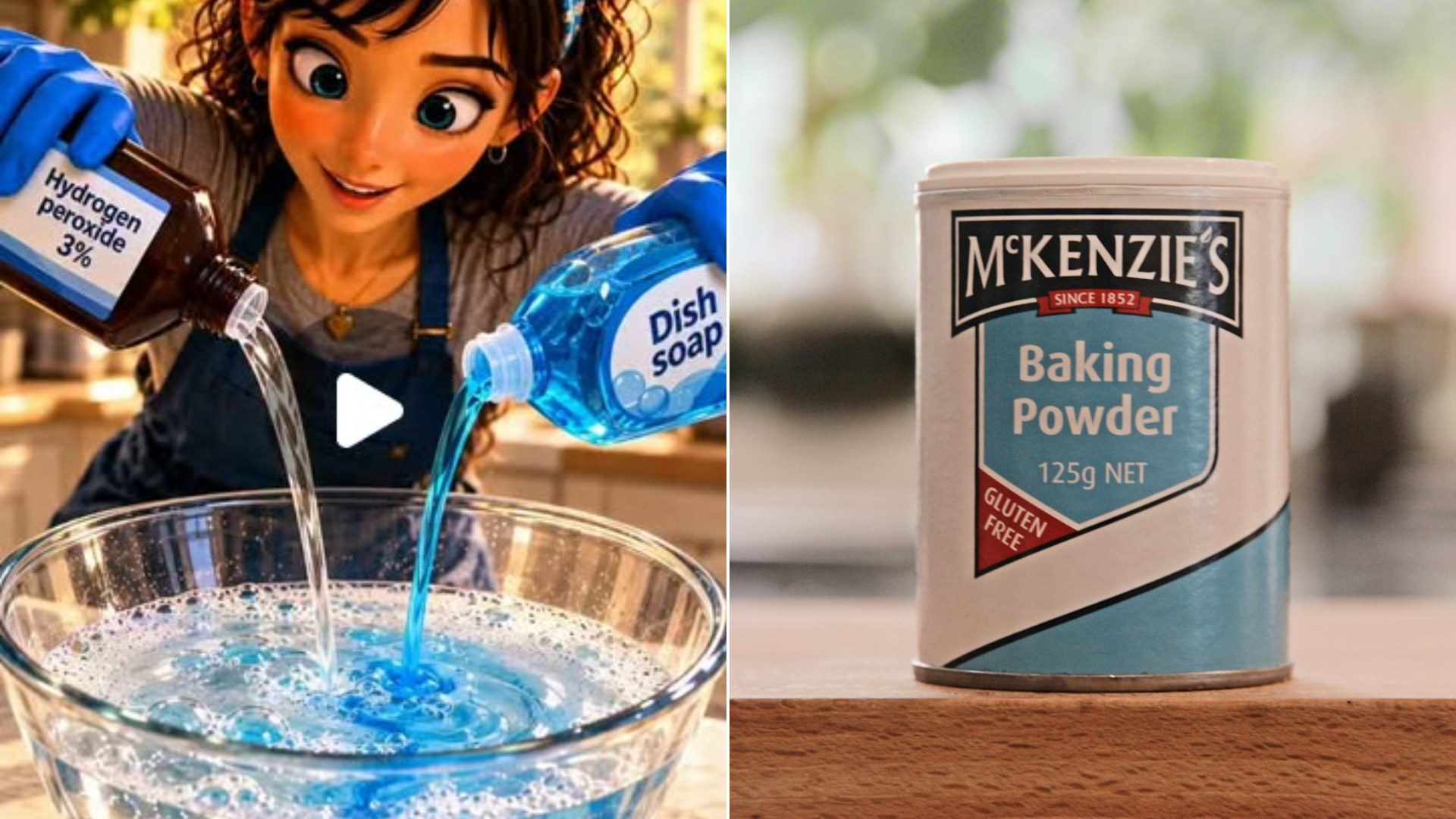
First, she says that mixing hydrogen peroxide and dish soap can easily remove mattress stains. Second, she says baking soda with white vinegar can leave your toilet spotless and shiny. Third, warm water with dish soap, she says, will lift stubborn grease and kitchen grime. Fourth, she says hydrogen peroxide with baking soda can remove yellow stains from white shirts.
These are the creator’s claims, and results will vary depending on the stain, the fabric and how long a mark has been sitting. Still, two of the four pairings, dish soap with warm water for grease and peroxide with a mild abrasive for stubborn marks, are widely used by many households for exactly these kinds of jobs.
The Tip Commenters Pushed Back On
The pairing that got called out was baking soda and white vinegar. One commenter said everything in the video was correct except that combination, writing that the two cancel each other out. Another put it even more plainly, saying white vinegar plus baking soda just equals salty water.
There is common household cleaning knowledge behind that reaction. Baking soda is a mild base and vinegar is an acid, so when they meet they fizz and react with each other, and many cleaning experts say the mixture ends up much weaker than either ingredient on its own. That fizzing can look dramatic and feel satisfying, which is part of why the combination is so popular, but it does not necessarily mean the bowl is getting any cleaner.
If you want to try the idea anyway, many people use the two separately instead. A sprinkle of baking soda and a little scrubbing can help with light buildup, while a splash of vinegar on its own is often used to loosen mineral deposits. Check the label of any toilet bowl cleaner you already own, too, since those are made for the job.
One more viewer asked whether the tips would clean carpet stains as well. The creator’s video did not say, so there is no answer from the source. If you want to experiment on carpet, the same cautious approach below applies, and it is wise to start in a spot nobody will see.
Safety Notes Before You Mix Anything
Whenever a post promises a quick fix with kitchen and bathroom staples, it helps to pause for a few ground rules. Safety guidance from many manufacturers and cleaning professionals generally includes these points.
Never mix bleach with vinegar or with ammonia. Those combinations can release harmful fumes, and it is one of the most commonly repeated warnings in home cleaning. If you have used a bleach product in a space, rinse it and air the room out before using anything else there.
Test first on a hidden spot. Hydrogen peroxide can lighten or discolor some fabrics, so a quick patch test on an inside seam or an area that will not show is a smart habit. The same goes for a mattress. Try a small, out of the way patch, let it dry, and look at the result before treating the whole stain.
Keep the area ventilated and avoid storing mixed solutions in sealed containers, because some blends can build up pressure. Mix only what you plan to use, and use it soon. Keep everything well out of reach of little hands and pets.
Making the Tips Work for You
A few practical habits tend to make any stain fighter work better. Act as soon as you notice a stain, because fresh marks are usually easier to lift than old ones. Blot rather than rub, since rubbing can push a stain deeper into fabric or a mattress surface. Work from the outside of the stain toward the middle so it does not spread.
For the kitchen, plain warm water and dish soap is a classic for a reason. Let the soapy water sit on greasy spots for a few minutes before wiping, and use a soft sponge so you do not scratch your surfaces. It costs next to nothing and it is gentle enough for most everyday cleanups.
For white shirts with yellowing, check the care label first. If the garment can handle it, a patch test before applying a peroxide and baking soda paste is a sensible step, and many people let the paste work for a short time before laundering as usual. Do not mix up a batch and leave it sitting around.
Finally, remember that cleaning combos are a supplement, not a miracle. A mattress that has had a big accident, a shirt that has been stained for years, or a toilet with heavy buildup may need a product made for that purpose, or a professional.
The Takeaway
The creator’s video is a handy reminder that a lot of good cleaning power lives in your pantry and under your sink. Three of the four ideas are things many people already do, and the fourth is a great example of why the comment section can be as useful as the video. Pick the tips that make sense for your home, test before you treat, never mix bleach with vinegar or ammonia, and enjoy a fresher house without spending much at all.
More from Decluttering Mom
- She Finally Tackled The Closet Where Everything Without A Home Ends Up, And Found A Random Bowling Pin, Cheerios, And Food Her Dog Buried
- Her Deli Meat Maker Sat Unused For 128 Days, And She Says Letting Go Of Perfectly Good Stuff Is Not Wasteful At All
- Mom Kicks Off a Room by Room Declutter Series With Her Badly Neglected Pantry, Checking Every Expiration Date and Listing Everything That Has to Go