


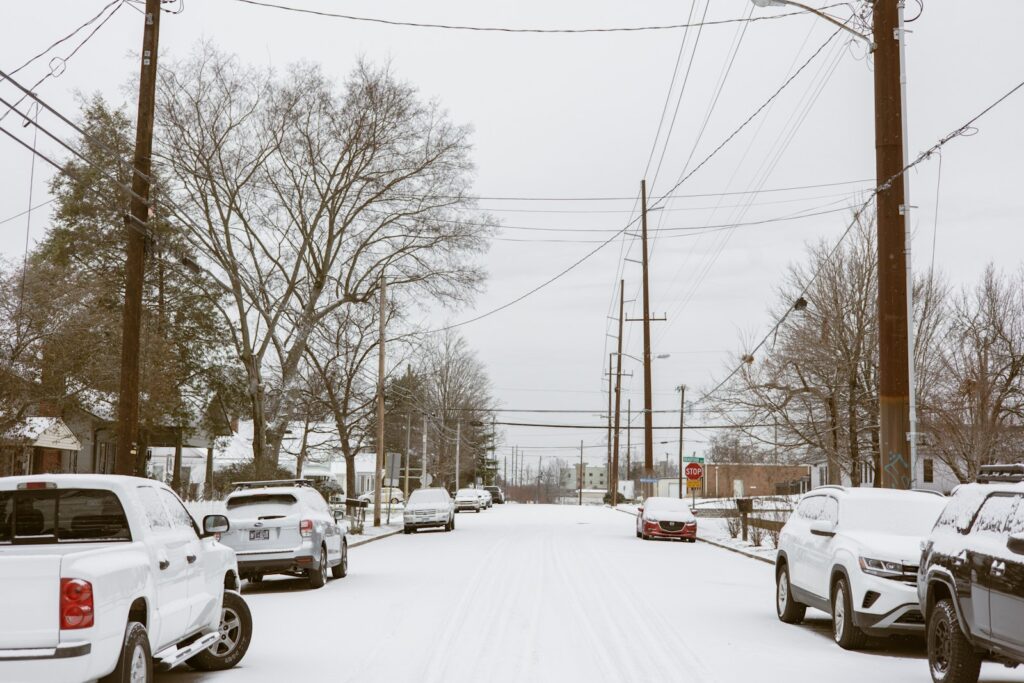
A brutal winter storm has turned deadly in Tennessee, with officials confirming four weather-related fatalities as communities dig out from ice, snow, and days of dangerous cold. What started as a forecast of “significant” winter weather has now become a sobering reminder of how quickly routine routines can unravel when roads glaze over and power grids strain.
State and local agencies are still sorting through damage reports, but the picture that has emerged so far is grim: multiple deaths tied to crashes and exposure, widespread outages, and neighborhoods where tree limbs snapped as easily as icicles. As the storm’s grip slowly loosens, the focus is shifting from survival in the moment to understanding what went wrong and how Tennessee can be better prepared the next time the temperature plunges.
How the storm set the stage for tragedy

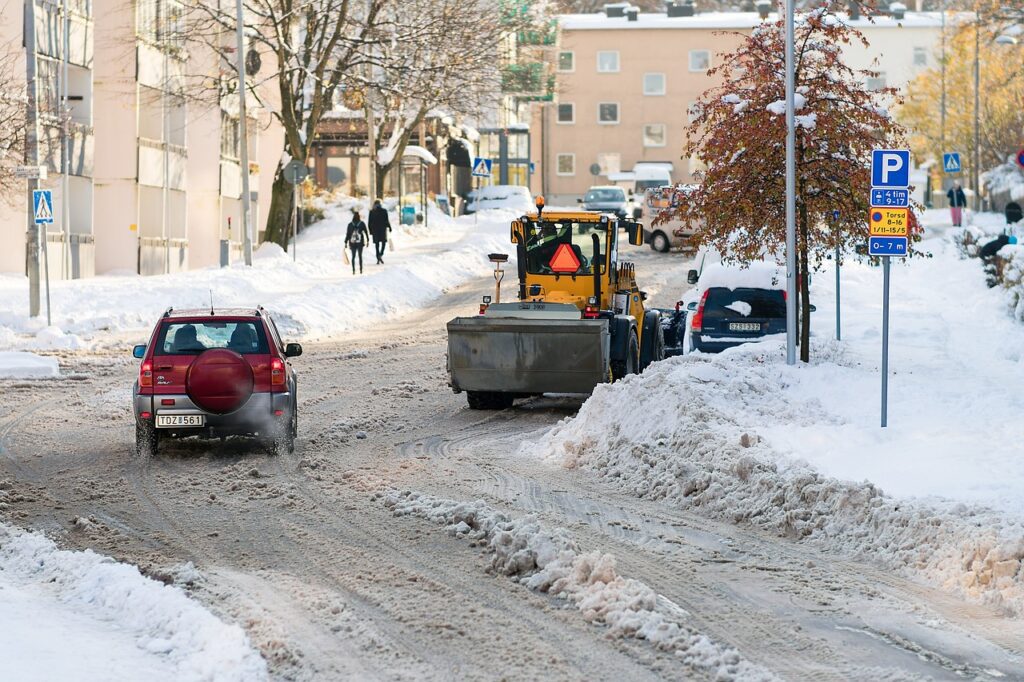
The setup for this deadly stretch started days before the first flake fell, when forecasters warned that a significant winter system would sweep across Tennessee with a messy mix of snow and ice. The National Weather Service flagged the risk of slick roads, downed lines, and bitter wind chills, and its regional offices pushed out winter storm alerts that covered large swaths of the state as the system approached from the west. Those early warnings, built from national models and local expertise, were echoed on official forecasts that urged people to stay off the roads and prepare for outages.
Even with that heads-up, the storm’s timing and intensity caught plenty of people in the middle of their normal routines. Commuters were still trying to get home as temperatures dropped below freezing, and families were running last-minute errands before conditions deteriorated. In cities like Tennessee’s largest metro areas, the combination of elevated interstates, bridges, and shaded neighborhood streets turned into a patchwork of black ice that was nearly impossible to spot until it was too late. That mix of advance notice and unavoidable daily life created the conditions in which a single bad decision, or just bad luck, could turn fatal.
Four deaths, one state, and a shared sense of loss
By the time the worst of the wintry mix had passed, officials had confirmed that four Tennesseans had died in incidents tied directly to the storm. Early tallies focused on three deaths, but as local agencies updated their reports, the count rose to four weather-related fatalities in West Tennessee, a region that includes communities stretching out from MEMPHIS into smaller surrounding counties. Local coverage, citing state and county authorities, described how those deaths were linked to crashes and exposure as people tried to navigate treacherous conditions or cope with the cold in homes that had lost power. The confirmation of four fatalities in that part of the state was detailed in reporting Lydian Coombs and, who noted that a winter weather advisory remained in effect for all of Tennessee as officials worked through the aftermath.
Those four deaths are not just numbers on a state dashboard, they represent families who expected a normal winter weekend and instead found themselves planning funerals. The fact that all of the confirmed fatalities so far are clustered in West Tennessee underscores how uneven the storm’s impact has been, with some communities seeing mostly scenic snow and others dealing with life-and-death consequences. As more information filters out from local law enforcement and emergency rooms, the state’s official tally may continue to evolve, but the current count already reflects a storm that will be remembered for its human cost as much as its ice-covered trees.
What state officials are saying in real time
While residents were still chipping ice off windshields, the State’s emergency managers were already in briefing mode, trying to keep the public updated on everything from road closures to water system problems. In a live update, TEMA, the Tennessee Emergency Management Agency, laid out the scale of the disruption, describing widespread outages, strain on drinking water infrastructure, and the growing list of weather-related deaths. That real-time snapshot, shared as part of a rolling update on multiple weather-related deaths, made it clear that the storm was not just a traffic problem but a full-spectrum emergency that touched power, health care, and basic services.
State leaders framed their message around two themes: stay put if at all possible, and check on vulnerable neighbors who might be dealing with dark homes or frozen pipes. TEMA’s updates also highlighted how thinly stretched local responders had become, with first responders juggling wrecks, medical calls, and welfare checks in conditions that slowed every trip. That kind of transparency, even when the news is bad, can help residents understand why help might take longer to arrive and why officials keep repeating the same advice about staying off the roads and conserving resources.
How health officials are counting the dead
Behind the scenes, The Tennessee Department of Health has been working through the painstaking process of deciding which deaths are officially tied to the storm and which are not. In MEMPHIS, Tenn, health officials confirmed that three deaths in the Mid South had been ruled weather-related, a figure that reflects cases where exposure, crashes, or other storm-driven factors were clearly involved. That tally, which was shared as part of a broader update from Tennessee Department of, shows how the medical side of the response lags slightly behind the on-the-ground reports from police and fire departments.
That gap between early numbers and official counts is not a sign of confusion so much as a reflection of how carefully these deaths are classified. Medical examiners and public health staff have to sort through medical histories, incident reports, and sometimes autopsy findings to determine whether a death was caused by the storm or simply happened during it. In practice, that means the health department’s three confirmed weather-related deaths in the Mid South sit alongside the four fatalities reported in West Tennessee, with some overlap likely as agencies reconcile their data. For families, the label on a death certificate may not change their grief, but for policymakers, those classifications shape how future storms are planned for and how resources are allocated.
Scenes from a frozen Tennessee
On the ground, the storm’s impact has been as visual as it has been statistical, with ice coating trees, power lines, and guardrails in a way that turned familiar streets into something closer to a movie set. Video from across the state showed branches sagging under the weight of thick glaze, snapping and crashing onto cars and rooftops as the hours dragged on. National coverage captured how the winter storm turned fatal in Tennessee, with footage of ice-covered roads and neighborhoods that looked more like glass sculptures than places where people live, a reality highlighted in a segment that also referenced 48 Hours, Melissa Rocuba, Final Moments, The Blackout Murder of Livye Lewis, and The Gaslighting of in its programming lineup on winter storm coverage.
Those images are not just dramatic visuals for television, they are a reminder of how fragile everyday infrastructure can be when nature decides to pile on. A single fallen limb can knock out power to a block, and a thin sheen of ice on a hill can turn a routine drive into a slide with no brakes. For residents who watched their yards transform into obstacle courses of downed branches and frozen debris, the storm’s danger was not an abstract concept but something they could see and hear every time another limb cracked in the cold.
Level 3 emergency and a state on edge
As reports of crashes and outages stacked up, Tennessee’s emergency posture shifted into a higher gear. The Tennessee Department of Health reported that at least three weather-related deaths had occurred since the winter storm rolled through, and state officials moved into a Level 3 emergency status, a designation that signals a significant, ongoing event that requires sustained coordination. In NASHVILLE, Tenn, that elevated status was paired with warnings about travel, with one particularly stark example involving a driver who lost control on a steep hill in Columbia, a case cited in regional reporting on Level 3 emergency.
That Level 3 status matters because it unlocks additional coordination between state agencies and local governments, from sharing plows and salt trucks to prioritizing which power restoration efforts get support first. It also sends a clear signal to residents that this is not just another cold snap, it is a situation where normal routines need to be put on pause. For people who have lived through previous ice storms in Tennessee, the label may feel familiar, but the combination of confirmed deaths and ongoing hazards has given it a sharper edge this time around.
How this storm fits into a bigger national picture
While Tennesseans were dealing with their own icy mess, the same sprawling winter system was causing trouble across a huge swath of the country. National updates described how snow and freezing rain were tapering off in some regions, but the impacts were lingering in the form of wrecks, power outages, and disrupted travel. One live national briefing noted that, While the snow and freezing rain from this winter storm are ending, the impacts across much of the country are not, and framed Tennessee’s fatalities as part of a broader pattern of storm-related deaths and damage that stretched from the Plains to the Northeast, a context laid out in national updates.
That wider lens matters because it shows how Tennessee’s experience is both unique and part of a larger story. The same cold air mass and moisture that turned Memphis streets into skating rinks also buried other states in snow and knocked out power to hundreds of thousands of customers. For emergency planners, that means mutual aid can be harder to come by, since neighboring states are busy with their own crises. For residents, it is a reminder that what feels like a local disaster is often just one chapter in a much bigger weather event that stretches across time zones.
What forecasters warned about before the first flake
Days before the storm arrived, forecasters were already sounding the alarm that Tennessee was in the crosshairs of a significant winter event. Outlooks highlighted that a strong system would bring snow and ice across Tennessee, with particular concern for cities like Nashville, MEMPHIS, and Knoxville where even a small amount of ice can cause outsized problems. The National Weather Service issued winter storm alerts that called out the risk of outages and dangerous road conditions, and those warnings were amplified in statewide coverage that described how a significant winter storm was expected to bring snow and ice across Tennessee, with The National Weather Service cautioning about outages and dangerous road conditions in a report shared by Tennessee forecasts.
Those early warnings were not perfect crystal balls, but they did get the broad strokes right: ice, power problems, and travel headaches. For people who stocked up on groceries, charged their phones, and rearranged plans, the forecasts likely helped blunt some of the storm’s worst impacts. For others who either did not see the alerts or chose to roll the dice, the gap between forecast and reality closed quickly once the first layer of ice formed on the pavement. The fact that four people still lost their lives despite days of advance notice is a tough reminder that communication is only one piece of the safety puzzle.
Lessons Tennesseans are already drawing
As the ice slowly melts and the power crews move on to the last stubborn outages, Tennesseans are starting to process what this storm revealed about their own habits and the systems they rely on. For some, the takeaway is as simple as keeping a better-stocked emergency kit in the car, with blankets, a phone charger, and a small shovel tucked into the trunk of a 2015 Honda Civic or a 2020 Ford F-150. Others are thinking bigger, asking whether their neighborhoods need more salt bins at key intersections, or whether their local governments should invest in more plows and tree trimming before the next round of freezing rain.
More from Decluttering Mom: