

You probably notice tomatoes lose their bright flavor faster than other produce, and the way you store them makes a big difference. Put simply: keeping whole tomatoes at room temperature—stem-side down if the stem is gone—preserves flavor and texture far better than stashing them in the fridge.
You’ll learn how temperature, airflow, and handling change acidity, sugars, and juiciness so your tomatoes taste like they should. The next sections show which storage moves keep flavor, when refrigeration helps (and when it hurts), and practical tips for ripening or preserving extra fruit.

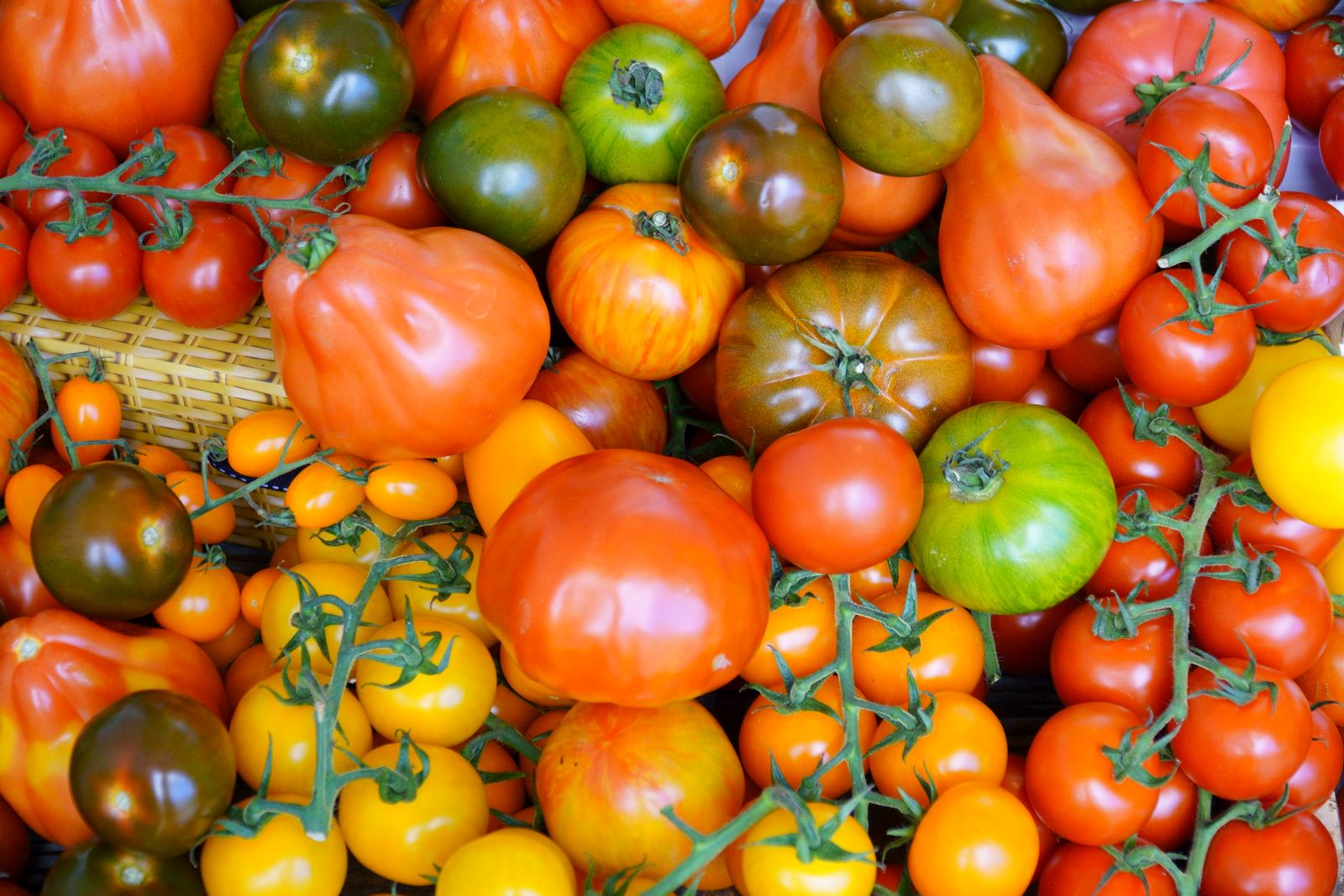
How Storage Methods Impact Tomato Flavor and Texture
Temperature, exposure to air, and whether a tomato is whole or cut determine how fast sugars, acids, and aromatic compounds break down. Keeping tomatoes in the wrong place accelerates softening, flavor loss, or uneven ripening.
Why Refrigerating Tomatoes Dulls Their Taste
Cold slows the chemical reactions that produce tomato aroma, so when you refrigerate tomatoes you mute volatile compounds that give them their characteristic smell. The fridge also alters cell structure; cold-induced pectin breakdown can make the flesh mealy and less juicy.
Refrigerate tomatoes only when they are fully ripe and you can’t eat them within a day or two. If you do chill ripe fruit, bring it back to room temperature for at least an hour before serving to recover some aroma and sweetness.
Room Temperature Storage for Maximum Freshness
Store tomatoes stem-side down on a flat surface at 65–75°F (18–24°C) away from direct sunlight to preserve texture and flavor. This position reduces moisture loss at the stem scar and slows soft spots from forming.
Keep unripe tomatoes on the counter to ripen; ethylene gas produced during ripening works best at room temperature. Arrange tomatoes in a single layer with a bit of air space; stacking bruises fruit and speeds spoilage.
The Problem With Overripe Tomatoes and Cut Tomatoes
Overripe tomatoes lose firmness and concentrate flavors unevenly; they become best used in cooked dishes where texture matters less. If an overripe tomato has only a small soft spot, cut away damaged flesh and use the rest quickly.
Store cut tomatoes in the refrigerator wrapped tightly or in an airtight container and use within 1–2 days. Cold will blunt their flavor, so let cut tomatoes sit at room temperature for 30–60 minutes before eating to restore some taste.
Proven Ways to Store, Ripen, and Preserve Tomatoes
Keep whole tomatoes at room temperature until fully ripe; refrigerate only sliced or overly ripe fruit. Use gentle handling, stem-side down placement, and quick preservation methods — freezing, cooking, or canning — when you can’t eat them in time.
Keeping Whole and Cut Tomatoes Fresh
Store whole, ripe tomatoes on the counter away from direct sun at about 60–72°F. Place them stem-side down on a plate or shallow bowl to slow moisture loss and reduce bruising. Single-layer storage prevents crushing and speeds visual checks for spoilage.
If a tomato is already sliced, wrap it tightly in plastic wrap or place it in an airtight container and refrigerate. Use sliced tomatoes within 2–3 days; bring them back to room temperature before eating to restore some flavor. Wash tomatoes only just before use to avoid added moisture that encourages mold.
Choose firmer varieties like Romas or processing types if you need longer fridge life. Heirlooms taste great but often keep only a few days, so plan to use them first.
Best Techniques for Ripening Green Tomatoes
To ripen green tomatoes, put them in a single layer in a cardboard box or paper bag at room temperature. Add a ripe banana or apple to raise ethylene concentration and speed ripening by a few days.
Handle green tomatoes gently to avoid stem scars that invite rot. Check daily and remove any that show soft spots or mold. For larger harvests, hang whole plants upside down in a cool, dark place to let fruit ripen slowly and evenly for weeks, a method gardeners use to extend the season.
If you must refrigerate an overripe tomato to slow decay, move it back to room temperature before eating to recover aroma and mouthfeel.
Freezing and Cooking With Tomatoes
For freezing, blanch whole tomatoes 30–60 seconds, cool in ice water, then slip off skins and core them. Quarter or crush and pack into freezer bags or containers labeled with date. Frozen tomatoes work best for cooked dishes; texture loses firmness after thawing.
You can also freeze chopped tomatoes raw: pack into airtight containers or molds for quick portioning. Use frozen tomatoes directly in sauces, soups, or stews without thawing. For longer preservation and concentrated flavor, cook tomatoes into a simple sauce, cool, and freeze in jars or vacuum bags.
Processing varieties and Romas make thicker sauces with less watery texture when frozen. Keep a note of variety on the container for best future use.
Delicious Tomato Recipes to Reduce Waste
Turn excess tomatoes into shelf-stable or quickly usable dishes: simmer a basic tomato sauce with olive oil, garlic, and salt, then freeze in 2-cup portions for pasta and soups. Roasting halves concentrates flavor; freeze roasted tomatoes for later blending into sauces.
Make quick salsas or chutneys using chopped tomatoes, vinegar, onions, and spices; jar and refrigerate for 1–2 weeks or freeze for longer. Fry underripe but firm green tomatoes in cornmeal for classic fried green tomatoes — a tasty way to use slightly unripe fruit.
Use overripe tomatoes in cold tomato-based drinks, gazpacho, or tomato jam. Label containers with variety and date so you know whether the batch came from firm Romas or juicy heirlooms, which helps match preservation method to end use.