Here’s a number worth sitting with: 1 in every 60 insured homes in the U.S. files a water damage claim every single year, according to HouseCashin’s 2026 water damage statistics report. That’s 1.6% of all insured households, and when it happens, the average payout runs $13,954. Zoom out even further and the picture gets more striking — water damage and freezing now account for 27.6% of all homeowners insurance claims filed nationwide, more than any other single cause. And the timing isn’t random. Claims cluster hardest in January and February, almost always tracing back to pipes that froze, cracked, and let go. If you’ve ever wondered why your neighbor’s insurance premium jumped after “just” a burst pipe, this is why — and it’s also exactly why late summer, right now, is the moment to do something about it before winter makes the decision for you.
The Numbers Behind the Headline
Let’s slow down on that 27.6% figure for a second, because it’s easy to read past it. That’s not a niche category tucked somewhere behind fire damage and theft — it is the single largest slice of the homeowners insurance claims pie in the country. The Insurance Information Institute (Triple-I) independently confirms these same figures, drawing on data from the National Association of Insurance Commissioners analyzed by ISO, a Verisk Analytics business, and it shows the trend moving in one direction: water and freezing claims rose from 19.6% of all claims in 2020 to 23.4% in 2021 to 27.6% in 2022. That’s not a blip. That’s a category quietly becoming the dominant driver of homeowners insurance losses, and frozen pipes are a huge part of why.
The $13,954 average payout is worth sitting with too, because it tends to undersell what actually happens inside a house. A burst pipe rarely causes one tidy, contained puddle. Water finds drywall, subflooring, insulation, the underside of cabinetry, and it keeps going until someone shuts off the source — which, if you don’t know where your shutoff valve is, can take a lot longer than it should. That average figure covers everything from a modest ceiling stain to a full remediation with mold testing, torn-out flooring, and weeks of drying equipment running in your living room. You feel that number less as a line item and more as a season of your life you didn’t plan for.

Why January and February Are the Danger Zone
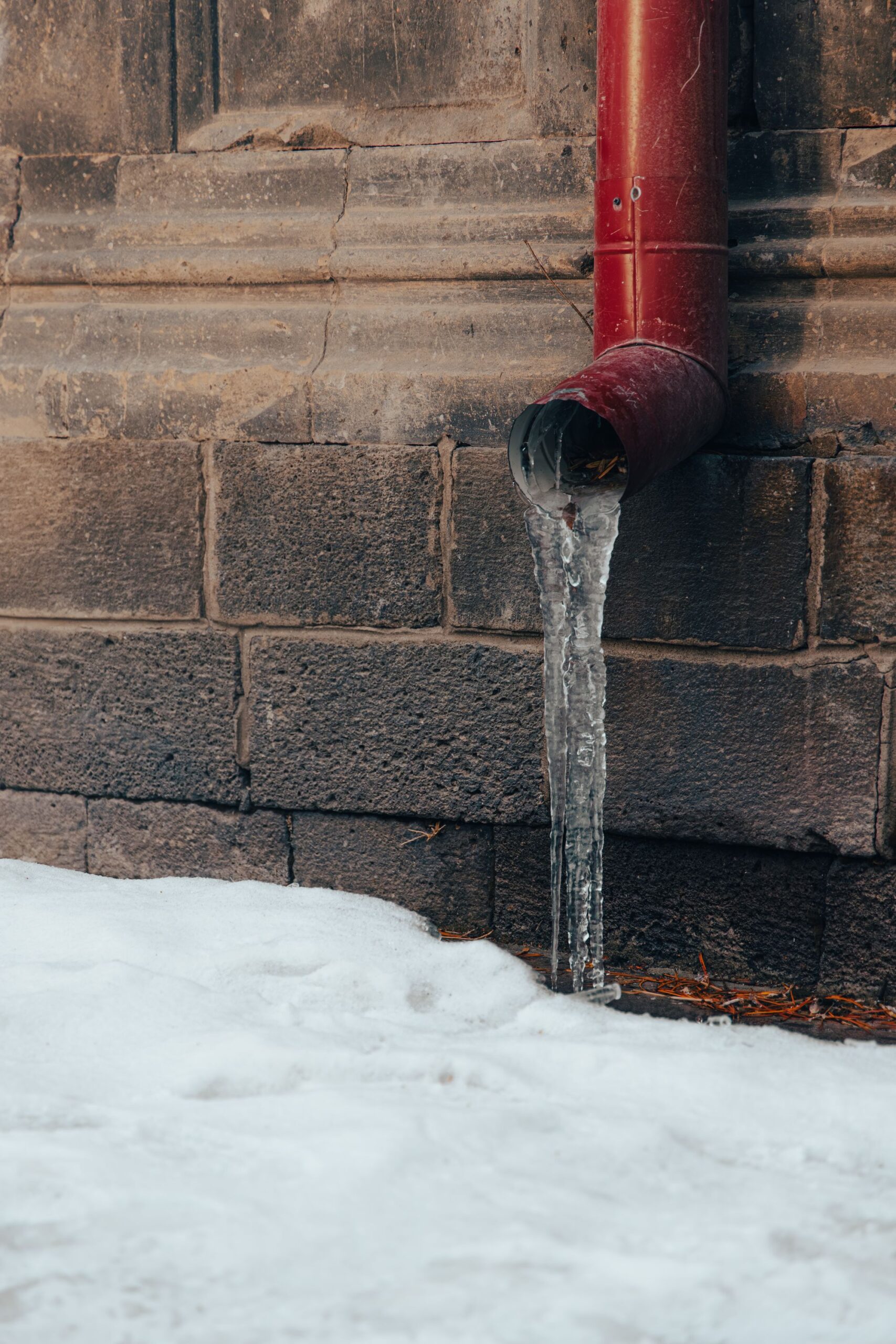
The seasonal pattern in the data is almost mechanical in its predictability. Water damage claims peak between January and February, and the reason is straightforward: water expands by roughly 9% as it freezes, and that expansion inside a pipe builds pressure with nowhere to go. The pipe doesn’t necessarily burst at the frozen section — it often gives way at a weaker point downstream from the ice blockage, which is part of why frozen-pipe damage can show up somewhere unexpected. Uninsulated pipes running through crawl spaces, attics, garages, and exterior walls are the most vulnerable, because they’re exposed to the coldest air in the house with the least protection.
Here’s the part that matters for you right now, in late summer: none of that damage happens overnight, and none of the prevention happens overnight either. The gap between “cold snap hits” and “pipe bursts” might be a matter of hours. But the gap between “I should insulate that pipe in the crawl space” and “that pipe is actually insulated” is measured in appointments, materials, and a contractor’s calendar — all of which get dramatically harder to find once the temperature drops and everyone else has the same idea at the same time.
Why Late Summer Is Actually the Best Time to Act
This is the piece that so often gets missed. Winterization gets framed as a winter task, which means most people start thinking about it right as the first freeze warning goes out — at exactly the moment when plumbers are booked solid, pipe insulation is flying off shelves, and you’re working against the clock instead of with it. Right now, in August and September, you have something valuable: time and availability. According to State Farm’s guidance on preventing frozen pipes, this kind of prep is meant to happen “during the warmer months,” precisely because it’s so much easier to do a careful, unhurried job when you’re not racing a storm system.
Start with the pipes you can’t see. Crawl spaces, attics, and garages are where exposed pipes live, and pipe insulation sleeves are inexpensive, easy to install yourself, and make a real difference even in climates where hard freezes are rare. While you’re in there, look for gaps where pipes or wiring pass through exterior walls — those little openings let cold air stream directly onto your plumbing, and a tube of caulk or a can of spray foam closes that pathway in minutes. It’s unglamorous work, but it’s the kind of unglamorous work that quietly prevents a five-figure headache.
Then there’s the step that costs nothing and takes about five minutes: find your main water shutoff valve and confirm you know how to operate it. This sounds almost too basic to mention, and yet it’s one of the most consistently cited pieces of advice from insurers, because in the moment a pipe actually bursts, the difference between a contained incident and a genuinely destructive flood often comes down to how fast someone can cut the water off. Walk down to the basement or utility closet this week, locate the valve, and if it’s stiff or corroded, this is the ideal season to have it serviced or replaced before you ever need it in a hurry.
A Few More Moves Worth Making Now
Once the big-ticket items are handled, a handful of smaller habits round things out nicely. If you have exterior spigots, disconnect garden hoses and drain the lines before the first hard freeze — trapped water in an exterior line is a classic freeze point that can send cracks back into the wall. If your home has a history of a particularly stubborn cold spot, this is also a good window to look into heat tape or thermostatically controlled heat cables for that specific run of pipe, rather than trying to solve it in a panic during a January cold snap. And it’s worth having a conversation with your insurance agent now, while you have the bandwidth, about exactly what your policy does and doesn’t cover when it comes to water damage — sudden bursts are typically covered, but damage attributed to neglect or a known unresolved issue often is not, which makes this prep season doubly valuable.
The Real Takeaway
None of this requires a renovation or a big budget. It requires an afternoon, a trip to the hardware store, and the willingness to do in September what most homeowners put off until it’s too late to do well. The data makes the stakes plain — a claim that costs nearly $14,000 on average, a cause of loss that now outranks every other category, a season that arrives with almost clockwork predictability — but the encouraging flip side is that the fix is genuinely within reach for almost anyone willing to spend a Saturday on it. Use this stretch of warm weather for what it actually is: not a break from winter prep, but the best possible time to do it.