

You spot a tiny hole or a sticky leaf and feel a small twinge of worry—those small signs often mean a pest problem is just getting started. Catching damage patterns early and knowing which culprits to look for keeps plant health strong and prevents a few nibblers from becoming a full-blown invasion. Act quickly when you notice early warning signs and identify the pest correctly to protect your garden before damage spreads.
You’ll learn how to recognize subtle clues, match damage to common garden pests, and use straightforward, garden-friendly solutions that stop problems without harming beneficial insects. By focusing on simple scouting steps and targeted fixes, you keep plants healthier and reduce the need for harsh chemicals.

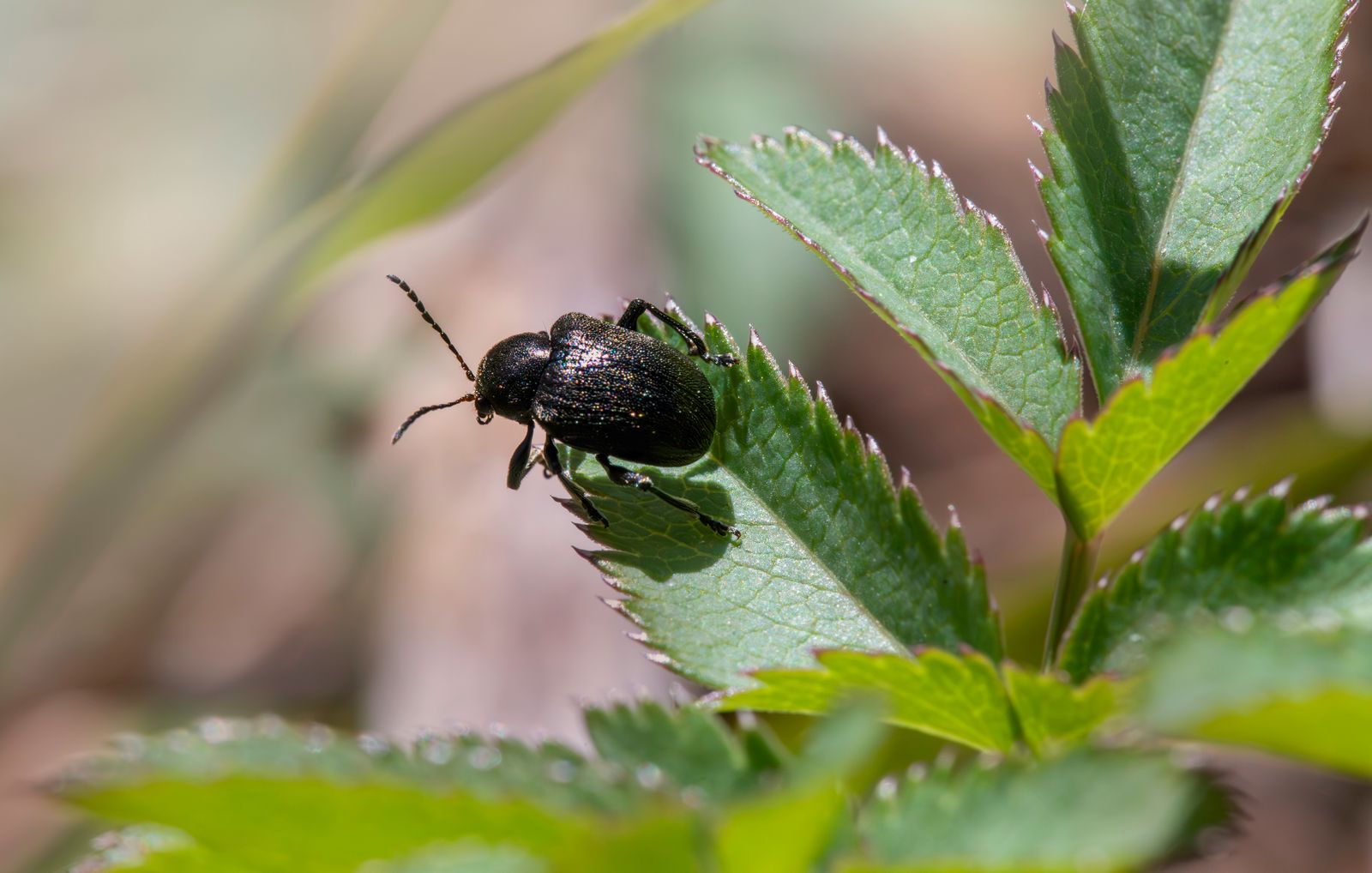
Early Warning Signs and Effective Pest Identification
Watch leaves and stems daily, check trap catches, and learn the specific damage patterns that point to different pests. Use simple tools—10× lens, sticky traps, a flashlight—and document what you find with photos and notes.
Subtle Damage Patterns to Watch For
Look for small holes, notches, and skeletonized patches on leaves; chewing beetles and caterpillars often leave irregular holes while flea beetles create tiny, peppered pits. Yellow stippling with intact leaf surface suggests sap-feeders like aphids or whiteflies; check for sticky honeydew and sooty mold beneath affected foliage.
Linear or winding tunnels indicate leaf miners. Look for tiny silk threads, slime trails, or wet-looking patches that betray slugs and snails, especially near low-growing plants. Find clusters of tiny yellow or white eggs on leaf undersides—those often become caterpillars or beetles. Photograph each damage type and record plant species and date to build useful data for decision-making.
Key Areas Where Pests Hide
Inspect undersides of leaves first; many eggs, nymphs, and adults shelter there during daylight. Check leaf axils, crown areas, flower buds, and the soil line where cutworms and root-feeding larvae feed at night. Lift mulch and examine the top two inches of soil for slugs, wireworm larvae, and grub activity.
Perimeter zones—garden edges, trap crops, and near compost piles—act as pest entry points. Place sticky or pheromone traps along those edges and near susceptible crops to monitor incoming insects. Use a flashlight for early-morning or evening checks when nocturnal pests are active. Keep a small hand lens and forceps in your pocket for quick insect ID.
Garden Pest Identification Guide
Use a stepwise approach: 1) match damage pattern, 2) locate the hiding spot, 3) capture or photograph the suspect, and 4) compare to identification resources. For example, frass (fine dark pellets) near stems signals caterpillars or borers; large round holes with ragged edges often mean beetles. Sticky honeydew plus clustered insects indicates aphids or scale insects.
Keep a short checklist with species-specific signs: eggs on undersides (caterpillars/beetles), slime trails (slugs), stippling and honeydew (sap-feeders), zig-zag mines (leaf miners). When unsure, use a clear container to trap an active insect for close inspection or reference an illustrated garden pest identification guide to confirm visual matches.
The Importance of Early Pest Detection
Catching pests at low numbers saves time and reduces chemical needs. A single weekly walk-through with magnification and traps can reveal egg masses or early feeding before populations explode. Early detection lets you use targeted tactics—hand removal, spot sprays, or release of predators—rather than blanket treatments.
Record trap counts and visible damage weekly to track trends and threshold breaches. That monitoring turns isolated signs—frass, small holes, sticky residue—into actionable alerts so you can intervene when control will be most effective.
Common Culprits and Smart Solutions for Growing Problems
You’ll learn which insects and signs to watch for, which helpful species to protect, and the specific nonchemical and organic tactics that actually work in home gardens.
Most Prevalent Garden Pests and Their Damage
Look for telltale damage patterns: ragged holes and slime trails point to slugs and snails; small “shotgun” holes indicate flea beetles; skeletonized leaves usually mean Mexican bean beetles or caterpillars; winding translucent tunnels are leaf miner activity.
Aphids and whiteflies cause sticky honeydew and curled growth; spider mites make fine webbing and stippling on leaves; thrips create silvery streaks on flowers and fruit.
Beetles — cucumber beetles, Japanese beetles, and Colorado potato beetles — chew foliage and can transmit disease like bacterial wilt.
Cutworms and tomato hornworms sever stems or strip foliage at night. Squash bugs and squash vine borers weaken cucurbits; borers and carrot fly damage roots and stems.
Scouting for eggs, frass, or larvae on undersides of leaves and at the soil line lets you act before populations explode.
Beneficial Insects vs. Harmful Invaders
You want allies: ladybugs, green lacewings, lacewings, parasitic wasps, ground beetles, soldier beetles, and beneficial nematodes reduce pest numbers naturally.
Ladybugs eat aphids; lacewings take thrips and whiteflies; parasitic wasps attack caterpillars and borers. Beneficial nematodes target soil-dwelling stages of cutworms and grubs.
Avoid broad-spectrum sprays that kill pollinators and predators. Use yellow sticky traps selectively for monitoring whiteflies and fungus gnats rather than mass killing beneficials.
Encourage pollinators and predators with flowering borders, undisturbed ground, and water sources so they establish and provide ongoing biological control.
Natural, Physical, and Organic Controls
Start with physical tactics: row covers protect seedlings from cucumber beetles and cabbage loopers; copper tape deters slugs; collars or burying cardboard protects seedlings from cutworms.
Use traps and barriers: beer traps for slugs, yellow sticky traps for thrips and whiteflies, and pheromone traps for specific borers. Handpick large pests like Japanese beetles, tomato hornworms, and Mexican bean beetles.
Apply targeted organic products: insecticidal soap and horticultural oil for soft-bodied pests (aphids, mealybugs, scale insects); Neem oil spray for sap-suckers and some larvae; Bacillus thuringiensis (Bt) for caterpillars like cabbage loopers and hornworms.
Rotate crops annually, remove infested plants promptly, and spot-treat with pyrethrins or spinosad only when necessary and in a way that spares beneficials. Use diatomaceous earth sparingly on dry foliage to control slugs and soft-bodied insects.
Building a Resilient, Pest-Resistant Garden
Improve soil health with compost and regular organic matter to boost plant vigor and disease resistance against rust, powdery mildew, and bacterial diseases.
Practice crop rotation and avoid planting heavy host families (nightshades, cucurbits, brassicas) in the same spot year after year to interrupt pest life cycles like Colorado potato beetles and squash vine borers.
Use companion planting to mask susceptible crops or attract predators — marigolds, nasturtiums, and alyssum draw beneficials; trap crops can lure cucumber beetles away.
Adopt integrated pest management (IPM): monitor weekly, set action thresholds, combine cultural, biological, and physical tactics, and keep chemical controls as a last, targeted resort.