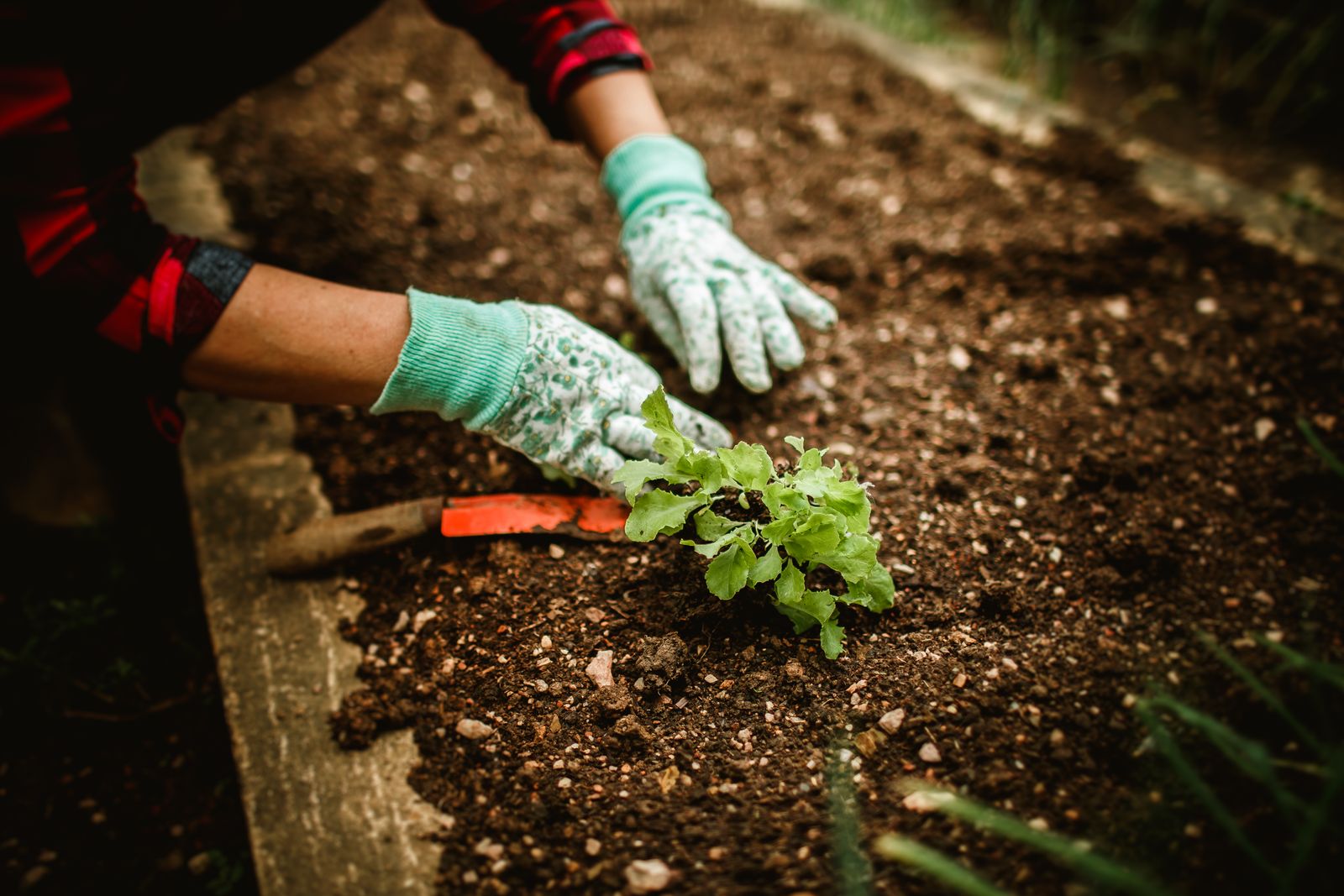
Shallot sets are supposed to go into the ground right after the first frost, not before it and not weeks after, according to planting guidance from Utah State University Extension. Miss that window on either side and the bulbs either rot in soil that’s still too warm and wet or never get established before the ground locks up for winter. Gardeners racing to squeeze in one more fall crop treat the calendar like a suggestion. Onions and shallots don’t leave much room for that.
Why the Timing Window Is So Narrow
Fall-planted onion and shallot sets need enough time to establish root systems before a hard freeze locks the soil, but not so much time that they push above-ground growth that a killing frost then wipes out. That’s a tighter balance than most fall crops require. USU Extension’s guidance is specific on this point: sets go in after that first frost has passed, and gardeners in colder zones, roughly USDA zones 4 and 5, need to add protection on top of correct timing, either a frost cloth covering or a layer of mulch, because “very cold winters can cause yield reduction” even when the planting date itself was right. In warmer zones where winters stay milder, that extra layer becomes less critical, but the base timing rule doesn’t change.
Depth and Spacing Decide Bulb Size, Not Luck
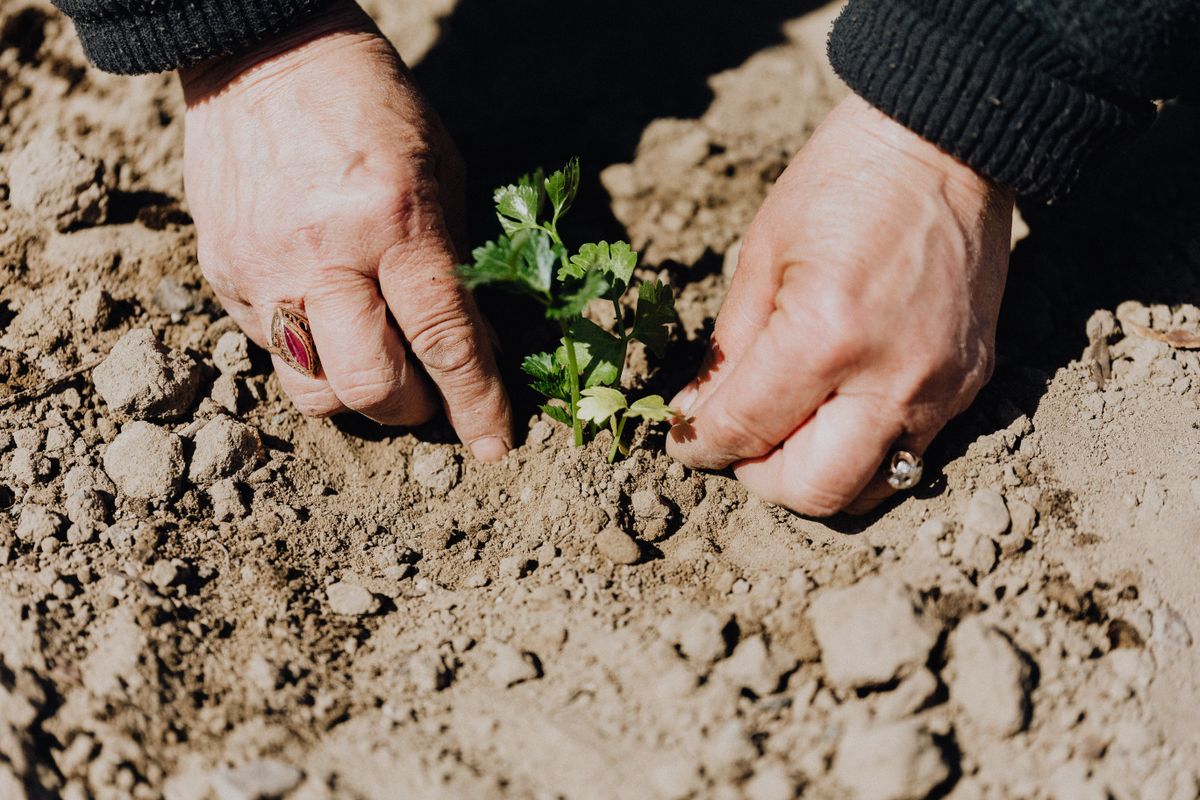
Once the timing is right, how you actually place the sets in the ground determines what you pull out of it months later. Extension guidance calls for planting bulbs one to two inches deep, in rows spaced roughly a foot to a foot and a half apart. Spacing between individual sets is where a lot of gardeners guess wrong. Wide spacing, in the three-to-six-inch range, allows shallots to divide and produce bulb clusters, while closer spacing pushes plants toward fewer, larger single bulbs instead. Onion sets follow a similar logic. Planting guidance from Dixondale Farms, one of the country’s largest onion-plant growers, specifies planting sets about one inch deep and no deeper, “as this will inhibit their ability to bulb,” with roughly four inches between sets for full-size mature bulbs and closer spacing reserved for gardeners planning to harvest some as green onions along the way.
The Frost-Date Math Behind the Cutoff
Every fall planting calendar for alliums ultimately works backward from a single number: your local first expected frost date, which varies by USDA hardiness zone and can shift by several weeks depending on where you live. A gardener in a warmer zone has more runway and can plant later into autumn, while someone further north is working against a much tighter clock, since an early hard freeze can hit before roots have had any real chance to establish. Cooperative extension offices publish zone-specific planting windows precisely because a generic “plant in fall” instruction doesn’t account for how differently that plays out between, say, the Gulf Coast and the upper Midwest. The USDA’s Plant Hardiness Zone Map is the standard reference most extension offices point gardeners toward first, since it’s built from decades of average minimum winter temperature data rather than a single unusually mild or harsh year that could throw off a rough guess. Checking your specific zone’s first-frost date before buying sets, rather than after, is what actually prevents the wasted trip to the garden center and the sets that sit in a paper bag on the counter losing viability while you figure out the timing after the fact.
What a Missed Week Actually Costs You
Plant too early into soil still holding late-summer heat and moisture, and sets can rot before they ever root. Plant too late, after the ground has started to firm up, and the bulbs never establish enough root mass to survive winter dormancy, showing up as poor or absent growth the following spring. There’s no real margin for splitting the difference here the way there is with, say, garlic, which tolerates a wider planting window. A single missed week can be the difference between a strong spring harvest and sets that simply never come back once the ground thaws.
The calendar isn’t a soft guideline for fall alliums. It’s closer to a hard deadline that happens to look like one.