


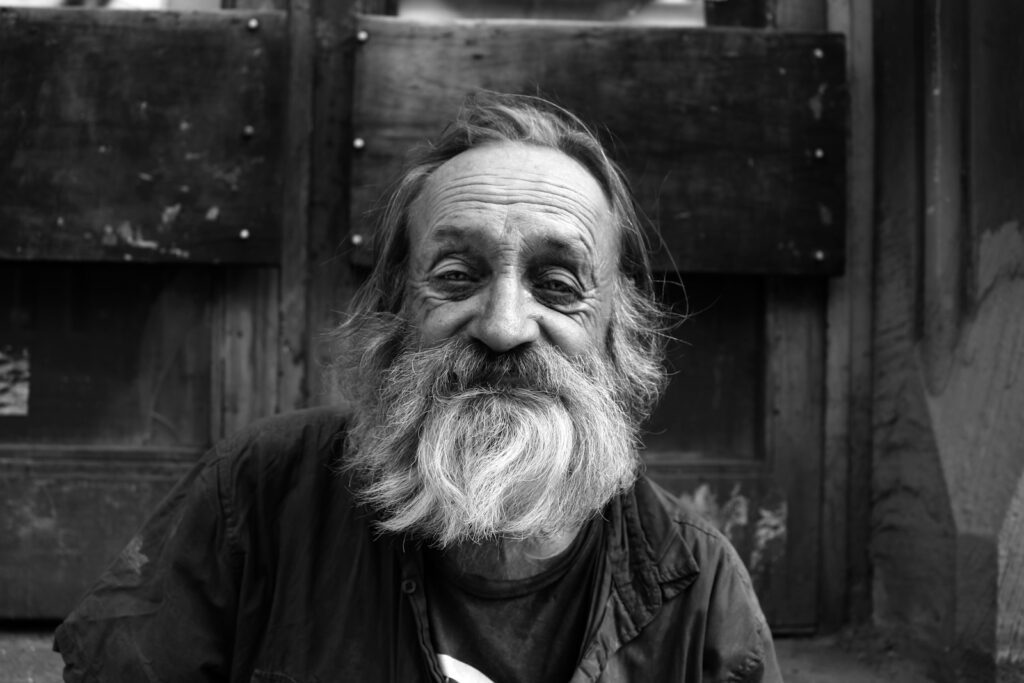
A 93-year-old man sits quietly, his life a tapestry of resilience and hard work. Yet, now, he finds himself at the mercy of relatives who seem more interested in what he can still provide than in who he truly is. This situation raises unsettling questions about family dynamics and the true nature of care.
The grandfather in question had an extraordinary start to life. Born into a family of landlords, he grew up surrounded by wealth and privilege—land, money, and even elephants painted an idyllic picture. However, life turned dramatically for him when, in his youth, he lost both parents within days to an illness that swept through their village. Faced with grief and potential inheritance, he made a choice that many wouldn’t understand: he walked away from it all.

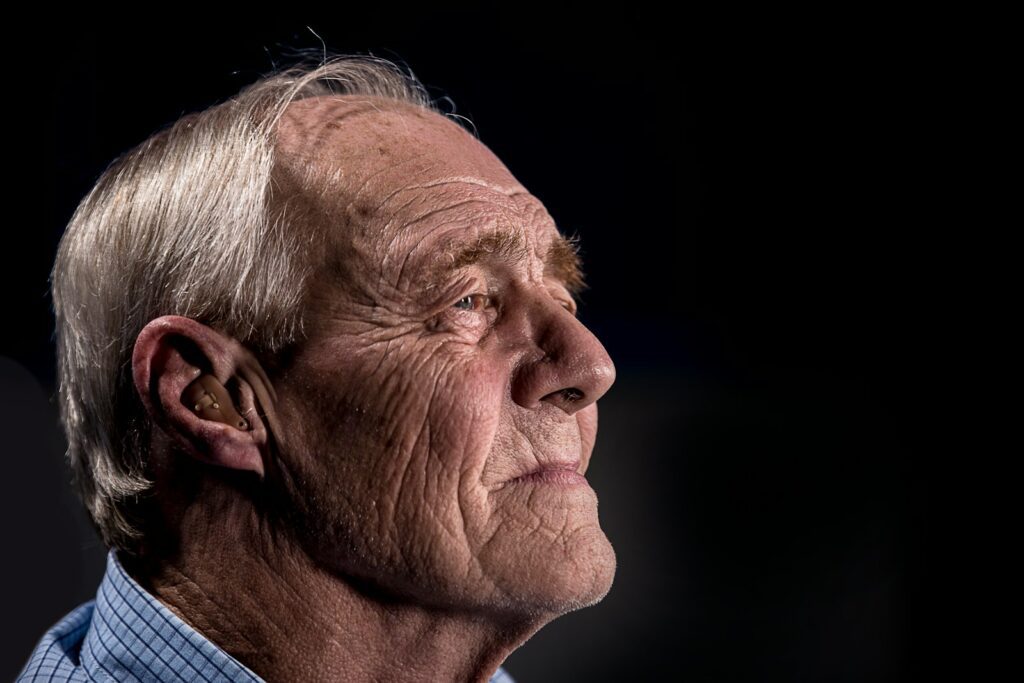
Rather than cling to the remnants of his past, he moved to Delhi and began anew. He married a younger woman, took exams for a government job, and meticulously built a life from the ground up. He dedicated himself to providing an education for his four sons, all while living on a modest salary. The tenacity he displayed during those years was nothing short of inspiring.
However, the narrative shifts dramatically as he aged. The once-vibrant man who shaped his own fate has seemingly become a passive figure in his own life. Decisions that once belonged to him now lie in the hands of his wife and a few relatives who take charge of the household. Instead of being involved and engaged, he has become someone who simply goes along with whatever is decided for him.
The unsettling reality is that, despite the family surrounding him, he appears painfully lonely. His indifference to his own situation, choosing to accept being a pawn in family politics, raises difficult emotions. One perspective shared in a discussion highlights how he seems more willing to be managed than to confront the loneliness that pervades his life. It’s as if he’s resigned to being a figure to be used rather than a beloved family member.
The situation for the grandfather has grown complicated. The family that once loved and respected him now seems to prioritize their interests over his well-being. When he reached out to one of his grandchildren for help, the response was less than supportive. Instead of offering a hand, his relatives used the request against the family, deepening the rift and creating resentment. This led to a sense of hopelessness for those who genuinely cared about him, as they began to step back in exhaustion.
As the grandfather lives out his final years, thoughts linger on what he might feel if he ever allows himself to reflect. Would he realize that many of those around him only wait for him to pass, hoping to inherit what remains? Or perhaps he senses it but chooses to ignore it, preferring the company of those who manage him rather than facing the stark solitude that might accompany acknowledgment.
People reacted differently to this family saga, expressing a range of emotions. Some sympathized with the grandfather, viewing his decline as tragic, especially given his remarkable past. Others pointed out that this situation is alarmingly common—how many families become dysfunctional as time wears on? A few even questioned whether he should have fought harder for his own autonomy, suggesting he lost more than just family connections; he lost his sense of self.
While many see the waste of a life that could have been vibrant, others suggest that perhaps he is content, or at least indifferent to the machinations around him. People continue to debate whether there’s a way to reach him, or if one can even save someone who has settled into the role of a passive observer in their own life. The complexities of family relationships often twist the fabric of care into something more self-serving.
As his life draws to a close, questions linger. What will he convey to his parents when he eventually reunites with them? Will he share tales of his achievements, or will he express regret over the choices that led him to a life surrounded by relatives more interested in his legacy than in him as a person? The narrative illustrates a deep sense of loss—not just of family, but of autonomy and identity, leaving a painful question hanging in the air. How does one reconcile a life well-lived with the reality of growing old amidst those who wait for an end?
More from Decluttering Mom: