


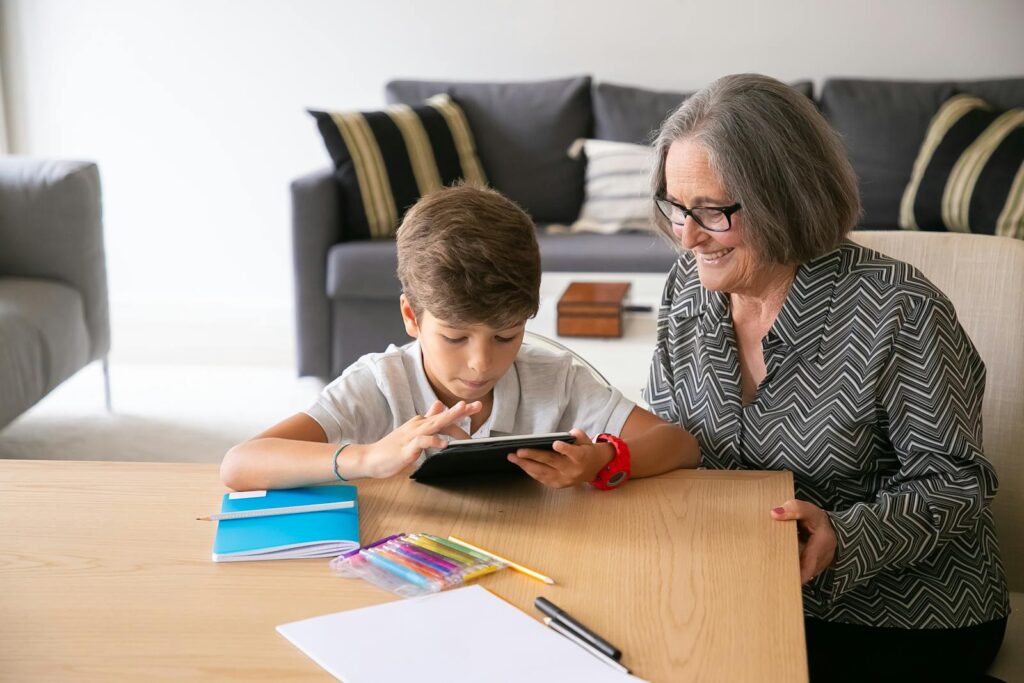
Parents who carefully curate what their kids watch often discover that not everyone in the family shares the same sense of “age appropriate.” When a beloved grandmother queues up a scary movie or a violent video that a parent has already vetoed, the fallout can show up that night in the dark, in the form of tears, night wakings, and vivid nightmares. The emotional whiplash of wanting to protect a child while also preserving a treasured grandparent bond is real, and it calls for both practical sleep strategies and clear, respectful boundary setting.
Nightmares are not just “bad dreams” to shrug off; for young children who are still learning the line between fantasy and reality, frightening images can linger long after the credits roll. When those images come from content a parent explicitly tried to avoid, the situation can feel like a double betrayal, of trust and of the child’s sense of safety. The good news is that there are concrete ways to comfort a child, reduce the chances of repeat nightmares, and reset expectations with Grandma without turning the relationship into a permanent battleground.


Why “Just One Movie” Can Spiral Into Nightmares
Children process what they see on screens in a very literal way, especially in the preschool and early elementary years, so a jump scare or a menacing character that seems mild to an adult can feel overwhelmingly real. At this age, kids are still figuring out what is real and what is make-believe, and a scary movie or book can blur that line so much that the emotional impact follows them into sleep, a pattern that experts describe as a recipe for a nightmare and that is especially intense for toddlers who are still building basic coping skills, as outlined in guidance on toddler nightmares. Even content marketed as “for kids,” like certain animated films or 3D features, can overwhelm a child’s senses, and when 3D effects make the action feel as if it is happening in the room, younger viewers who are still learning to separate screen from reality can react with intense fear, which is why specialists urge adults to validate children’s experiences when they say a supposedly kid-friendly movie was “too scary,” as highlighted in advice on why some kids are afraid of everything in movies and how to validate their experiences.
When the frightening content is outright horror, the stakes rise further, because early exposure to excessively scary movies, images, or haunted attractions can trigger symptoms that resemble Acute Stress Disorder in some children, including intrusive memories, avoidance, and heightened arousal, according to experts who have warned that when kids are exposed to such material they may show signs of trauma-like reactions, a concern detailed in reporting that notes how when kids are to horror too early the impact can be “potentially traumatic.” Nightmares are one of the most visible signs of that overload, and they often appear alongside bedtime resistance, clinginess, and new fears of the dark, especially during seasons when families intentionally immerse themselves in spooky themes, a pattern behavior analysts have linked to an uptick in nightmares and night terrors in little ones during times when we surround them with eerie imagery, as described in guidance on navigating spooky season.
What Nightmares Do To Kids’ Sleep And Mood
Once a frightening image has taken root, it tends to show up in the early part of the night, when dream sleep is especially active, and a child may wake crying, calling out, or even running to a parent’s room. Pediatric sleep specialists emphasize that going to the child when they cry out and offering physical reassurance, such as a hug or a gentle rub on the back, helps calm the nervous system and signals that they are safe, and they also recommend minimizing overall stress during the day and creating a predictable bedtime routine that might include a calming check around the room before lights out, strategies that have been outlined in detailed advice on how to help after a nightmare. When nightmares become frequent, they can erode a child’s confidence about sleep itself, and clinicians note that parents cannot fully protect kids from bad dreams but can set the stage for a more peaceful night by being mindful of what children see and hear before bed and by talking with a trusted health care provider if nightmares are persistent or tied to other signs of distress, an approach reflected in recommendations on how to help with ongoing nightmares.
Screen habits are a major part of that picture, because light and content both affect sleep quality, and sleep consultants point out that two hours without screens before bedtime is not just a “digital curfew” but a gift to a child’s sleep, since late-night viewing, especially of stimulating or scary material, increases the likelihood of nightmares and fragmented rest, a link underscored in guidance that frames two hours of screen-free time as a protective buffer. Mental health professionals who work with families on nightmare issues also stress the importance of immediate comfort and reassurance, encouraging parents to stay with the child briefly, turn on a dim light, and normalize the experience as “just a dream,” while also recognizing that repeated nightmares can be a sign of broader stress that affects a child’s overall wellness, a perspective echoed in step-by-step advice on what to do a child has a nightmare.
How To Comfort A Child After Grandma’s Scary Movie
When a nightmare hits after a visit with Grandma, the first priority is not the family argument but the child’s sense of safety, and that starts with calm, predictable responses in the middle of the night. Child psychologists like Eileen Kennedy Moore emphasize that naming feelings, teaching simple coping strategies, and helping kids imagine alternative, less frightening endings to their dreams can reduce the intensity and frequency of bad dreams over time, and they encourage parents to treat nightmares as an opportunity to build emotional skills rather than as misbehavior, an approach reflected in guidance on how to help kids with through coping strategies. Practical steps like offering a favorite stuffed animal, using a small nightlight, and staying nearby until the child is drowsy again can all reinforce the message that the child is not alone and that the scary images cannot hurt them in real life, and mental health providers who work with families on sleep issues often highlight the power of simple phrases like “You are safe, I am here” to anchor a child back in the present, as seen in recommendations that urge parents to reassure their child they are there and that knowing a caregiver is close strengthens a child’s sense of security, guidance that appears in resources on helping your child.
Once the immediate crisis has passed, parents can gently help children process what happened, perhaps the next morning over breakfast, by inviting them to draw the dream, change the ending, or “shrink” the scary character into something silly, which many experts describe as a way to give kids a sense of control over their inner world. Parenting organizations that focus on emotional resilience suggest that when children wake from a nightmare, caregivers should offer comfort and reassurance, help them go back to sleep in their own bed when possible, and, if needed, do a quick “all clear” check of the room to show that nothing dangerous is lurking, a set of tips that includes reminding the child that all is clear and that they are safe, as laid out in advice on how to help with nightmares. Other experts add that parents can “conquer the darkness” with small rituals like a special flashlight, a lovey, or a short calming story, and they stress that the key is to reassure and comfort the child immediately rather than dismissing the fear, a theme that runs through collections of tips for helping kids cope with scary dreams.
More from Decluttering Mom: